What Counterirritant Means on a Horse Liniment Label
“Counterirritant” sounds technical, but most riders already know what it means the second they open the bottle. It usually points to a formula built to create a noticeable skin sensation first, whether that reads as hot, cold, sharp, or medicinal.
Start with the plain-English definition
A counterirritant is a topical ingredient or formula designed to create one sensation on the skin so the body notices that sensation instead of the original discomfort. That is why these products are often marketed with words like cooling, warming, hot, icy, or extra strength.
Riders rarely search the actual word “counterirritant.” They search what it feels like. They remember the burn, the sharp cooling effect, the smell, or how their horse reacts the second it touches the skin.
If your real question is product fit, not chemistry, start with the Solution Finder, build the bigger routine through Prehabilitation, or compare formats in the liniment collection.
Why the term matters
1. Sensation is not the same as routine fit
A strong surface feel can make a product seem aggressive or fast, but that does not automatically make it the better choice for repeat use. Some riders want a liniment gel that disappears into normal barn life instead of announcing itself the second the cap comes off.
2. Some horses do not love noisy products
Sensitive horses can brace, flinch, or get bothered by strong odor and strong feel. In that case, the product becomes one more thing to manage instead of one more thing that quietly helps.
3. Show-week decisions get tighter
Anything marketed as hot, icy, numbing, or heavily sensory deserves a closer look before competition. Draw It Out® already covers that angle in the before-show label guide and the deeper show-safe compliance guide. This page is about understanding the term itself so riders know what they are actually looking at.
What usually signals a counterirritant-style product
| Label clue | What it usually means | What riders should think about |
|---|---|---|
| Cooling, icy, fast cooling | The formula likely leans on sensory effect | Ask whether you want sensation or a calmer daily routine |
| Warming, deep heat, hot | The product is built to feel active on the skin | Be extra careful close to shows and under gear |
| Extra strength, maximum relief | Usually a stronger sensory pitch, not just stronger routine fit | Read the ingredient panel, not just the front label |
| Very strong odor | Often goes along with stronger actives or a more medicinal profile | Consider horse sensitivity and daily compliance |
When a calmer formula makes more sense
Not every routine benefits from more feeling. A calmer formula is often the better tool when the goal is consistency.
- Daily leg care: when you are applying regularly and do not want strong smell or skin drama.
- Under-wrap routines: when controlled placement and a thin, even layer matter more than surface sensation.
- Sensitive horses: when the horse objects to strong odor, sting, or sudden skin feel.
- Show-aware programs: when riders are trying to reduce ingredient questions and routine noise.
- Shared barn use: when trainers, grooms, riders, and family all need something straightforward and predictable.
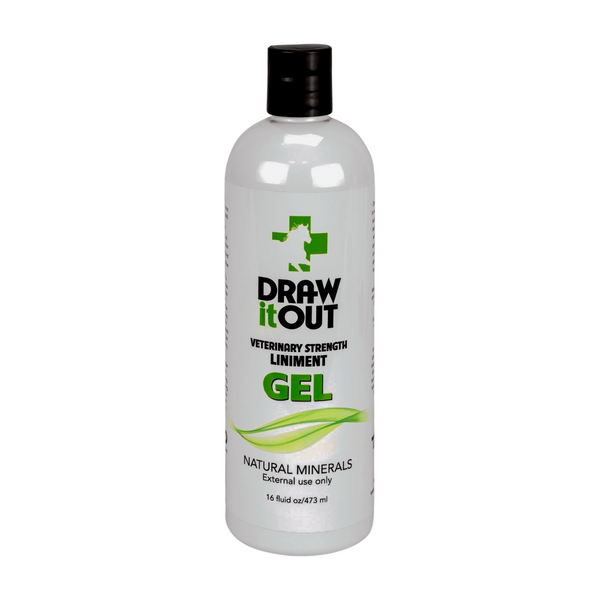
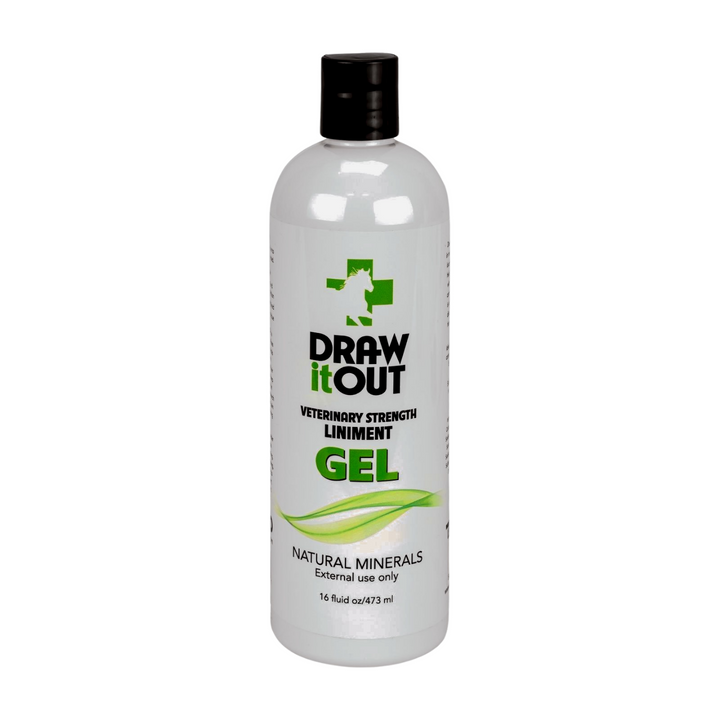
This is the lane where Draw It Out® has built its identity: calm application, low odor, no menthol burn, no alcohol sting, and a routine profile designed for real barns instead of shelf theatrics. You can see that philosophy on the Ingredients & Transparency page and the Alcohol-Free Liniment explainer.
How to read the label without overthinking it
- Front label: does it sell feeling, or does it sell routine?
- Ingredient panel: are you seeing names tied to hot, icy, or numbing language?
- Use case: is this for occasional drama, or something you actually want to use all week?
- Horse response: does your horse accept it quietly, or react to it?
- Program fit: would you still feel good about using it near a show or under wraps?
The routine-first takeaway
Counterirritant is not a magic word and it is not automatically a bad one. It simply tells you the product is trying to create a noticeable skin experience.
For some riders, that is exactly what they expect from an old-school liniment. For others, especially riders building a cleaner, steadier system, it is the opposite of what they want.
That is the real split. Do you want a product that feels loud, or one that fits quietly into a better routine?
FAQ
Is counterirritant the same as effective?
No. Counterirritant describes how a product creates sensation on the skin. Effectiveness is a separate question and depends on ingredients, routine, application, horse sensitivity, and overall fit.
Does every hot or cooling liniment count as a counterirritant-style product?
In practical rider language, yes. If the front label sells strong warming, cooling, icy, or stinging sensation, it is functioning in that lane even if the brand uses different technical wording.
Why do some riders avoid counterirritant-style liniments?
Usually because they want a calmer daily routine, lower odor, less skin drama, better horse acceptance, or cleaner show-week decision making.
Is a calm liniment gel better under wraps?
Many riders prefer a calmer, thin-layer liniment gel under wraps because it gives them more controlled placement and fewer sensory surprises. Always follow product directions and monitor the horse closely.
Where should I go next if I am comparing products?
If you need help choosing, use the Solution Finder. If you need a broader system, go to Prehabilitation. If you already know you want to compare formats, browse the liniment collection and the related education pages linked here.