Mobility routine map
Joint Support From the Inside and Outside: Building a Smarter Horse Routine
Feed-through support, topical care, and sound management occupy different lanes. Knowing the difference prevents a product from being asked to do a veterinarian's job.
Quick answer: the inside lane is the complete diet and any professionally guided feed-through joint-support routine. The outside lane is label-directed topical post-work care. Both sit behind soundness evaluation, hoof care, suitable footing, conditioning, warm-up, cooldown, and recovery.
Current availability: Fluid Flex EQ® is part of the current daily joint-support lineup. Check the live product page for current inventory and variant availability. Retail Fluid Flex EQ® ships free in the United States.
The inside lane
Inside support begins with forage, balanced nutrition, body condition, turnout, and an appropriate workload. If a feed-through joint product is added, review the complete ration and the label with a veterinarian or qualified equine nutrition professional. Add one variable at a time and avoid interpreting a supplement as a treatment for arthritis, injury, or lameness.
Fluid Flex EQ® belongs to this daily joint-support lane. Check the live product page for current inventory and variant availability before adding it to a plan.
The outside lane
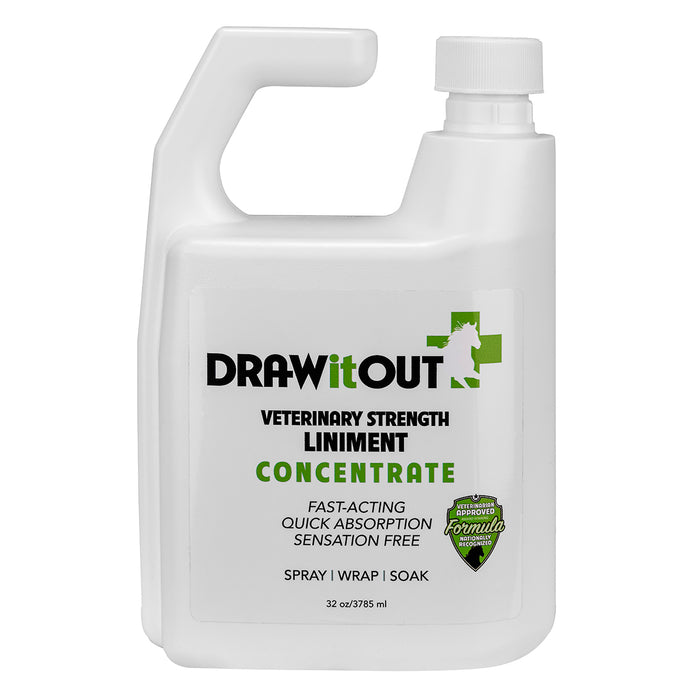
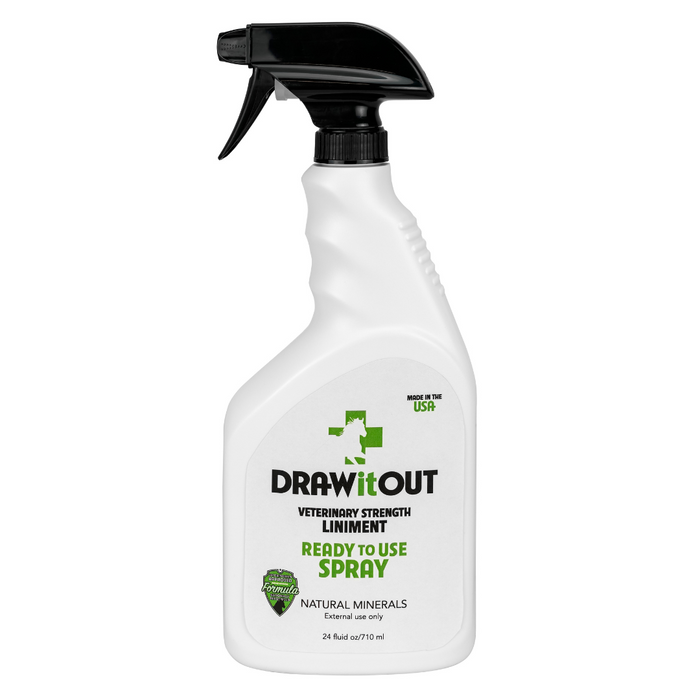
Topical liniment is an external, label-directed care step after ordinary work. It can be part of a wash-rack or grooming routine when the horse has been checked and is moving normally. It is not a feed-through supplement, does not correct an unbalanced diet, and should not be used to numb concern or keep riding a horse that is off.
Daily foundation
Forage, balanced ration, water, salt, turnout, feet, body condition, saddle fit, and conditioning.
Before work
Check movement, attitude, feet, limbs, footing, weather, and whether the planned workload suits the horse today.
After work
Cool down, water, observe recovery, examine feet and limbs, and use external care only as the label and situation support.
Professional lane
Lameness, heat, swelling, hoof pain, acute soreness, weakness, or sudden decline needs a veterinarian or farrier.
Do not confuse more products with a better system
A horse does not need every lane every day. The useful routine is the smallest one that has a clear reason, follows labels, fits the total diet, and preserves the ability to notice change. Record workload, footing, next-day movement, and any professional findings. That history is more useful than rotating products whenever the horse feels different.
Available outside lane
What riders commonly use next
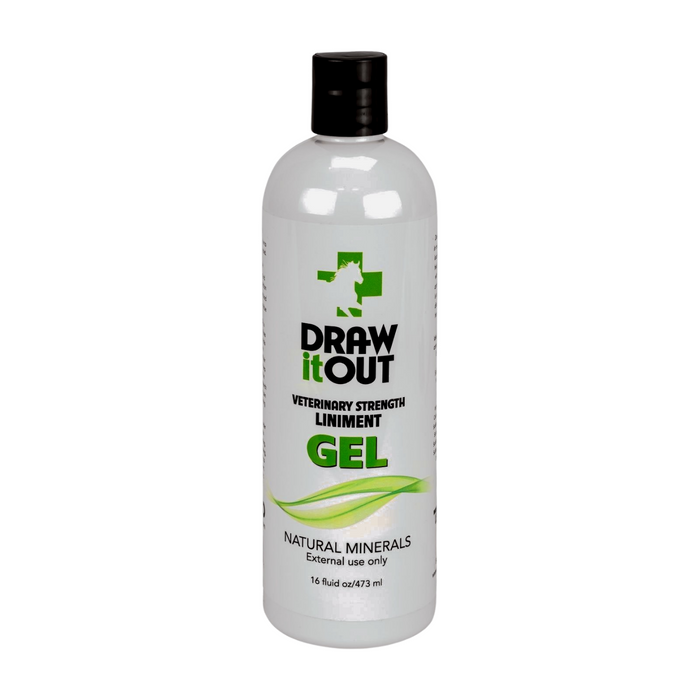
Draw It Out® 16oz Liniment Gel is currently active and in stock for label-directed external post-work care. It is not the substitute for Fluid Flex EQ®, is not a feed-through joint product, and does not diagnose or treat lameness, arthritis, injury, heat, swelling, or hoof pain.
Use the Solution Finder for help choosing the right care lane.
Professional care comes first when
- The horse is lame, markedly one-sided, unwilling to bear weight, stumbling, weak, or uncoordinated.
- There is heat, swelling, hoof pain, a strong digital pulse, a wound, fever, or sudden severe soreness.
- The pattern is recurrent, worsening, or different from the horse's normal response to work.
FAQ
Can I use a joint supplement and topical liniment in the same routine?
They are different lanes and may coexist when labels, the total diet, and professional guidance support them. Neither should be used to delay diagnosis.
How do I check Fluid Flex EQ® availability?
Use the live Fluid Flex EQ® product page for current inventory, variant availability, and purchase controls. Retail Fluid Flex EQ® ships free in the United States.
Is topical liniment an arthritis treatment?
No. Keep topical care to its label-directed external-use lane and seek a veterinarian for diagnosis and treatment.
General education only. Follow labels and seek professional guidance for pain, lameness, or acute change. Author: Jon Conklin.