Daily recovery
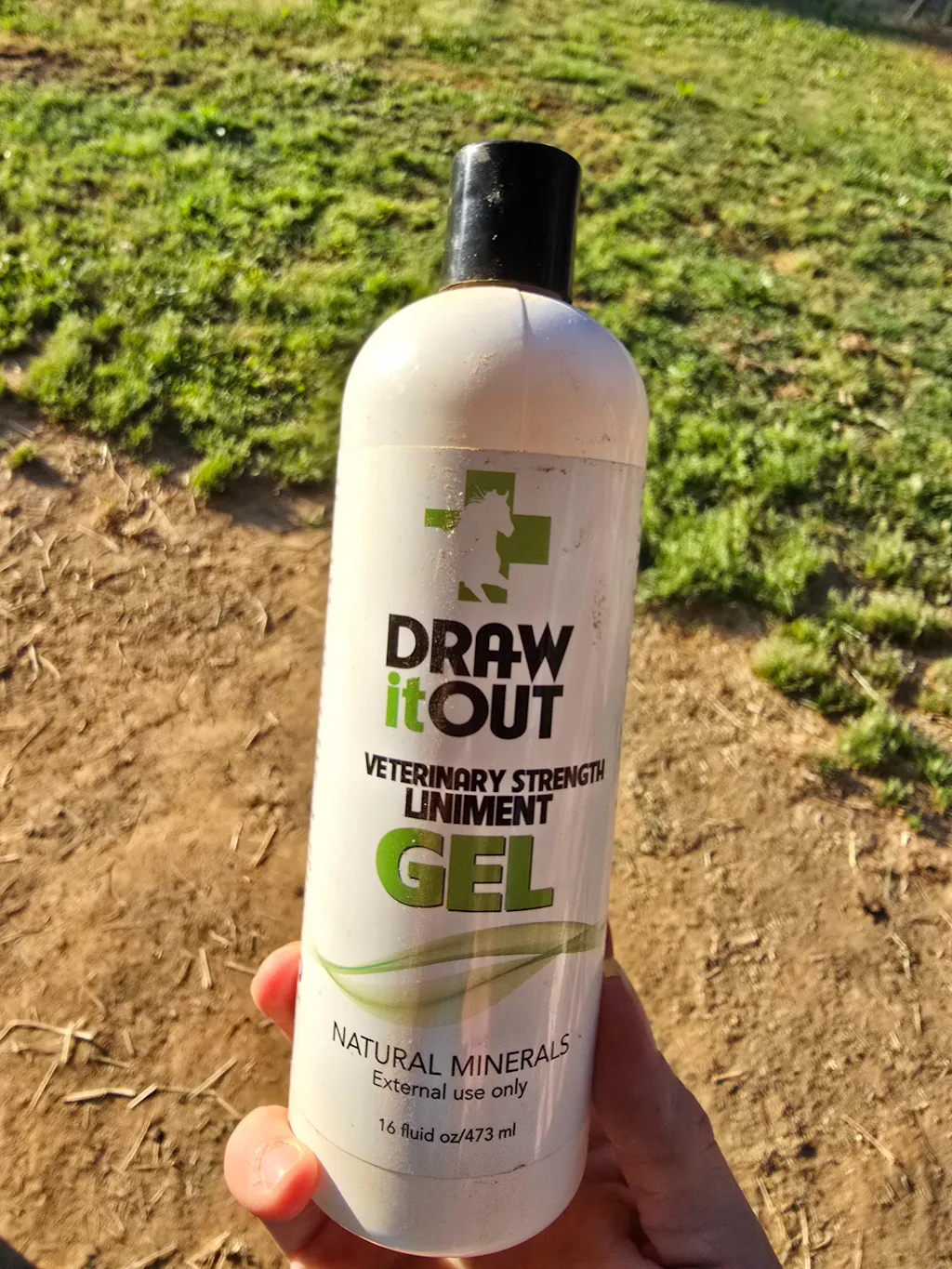
Liniment Gels
Explore the Draw It Out® liniment gel lineup for everyday use, post-work routines, and targeted recovery support.
Shop liniment gels
When the pasture turns to soup, your horse’s skin, pasterns, and hooves deal with more than just a mess. Wet turnout changes how the lower leg dries, flexes, and protects itself. A few steady habits go a long way.

Every horse owner knows this stretch of the year.
Snow melts. Rain settles in. Gates become deep spots. Water tubs sit in churned-up tracks. Horses walk back to the fence wearing half the pasture on their legs.
Mud season is annoying for people. For horses, it is a real skin and hoof management season.
The issue is not that mud exists. Horses are built to live outside. The issue is what happens when the lower leg never really gets the chance to dry out.
The pastern and fetlock are where mud season usually shows up first. Those areas are close to the ground, constantly flexing, and exposed every time the horse walks through water, manure, wet bedding, or churned soil.
Healthy skin works like a barrier. It helps hold the line between the horse and everything in the environment. But when skin stays damp for long periods, that barrier can soften. Once that happens, routine friction, packed debris, and repeated exposure become harder to shrug off.
Clean water dries. Mud holds on.
That is what makes it different. Mud traps moisture against the skin, and it often carries fine grit, manure particles, and pasture debris with it. The longer that layer sits around the pastern, the more likely you are to see irritation, sensitivity, or roughened skin texture.
That does not mean every muddy horse is headed for a problem. It means the margin gets smaller when wet conditions hang around for days or weeks.
Mud season is not only a skin issue. Hooves respond to repeated wet exposure as well.
When the footing stays saturated, riders often notice a few predictable shifts. The outer hoof wall may feel a bit softer. Soles can become more aware of rocky or uneven ground. Mud and packed debris can settle into the frog and sulci if feet are not cleaned regularly.
Most of this improves once conditions dry out, but it is a good reminder that mud season is a hoof routine season, not just a turnout season.
The best mud season routine is not complicated. It is consistent.
You do not need to over-handle the legs every time the horse comes in. In fact, too much washing can keep the cycle going if the area stays damp afterward. What helps more is a calm daily check and a little structure.
Good horse care in spring is mostly about seeing the season for what it is.
This is not the time to ignore lower legs because everything looks muddy anyway. It is also not the time to scrub and strip the skin raw every afternoon. The middle ground is what works: inspect, clean only what needs cleaning, dry what needs drying, and stay ahead of small changes.
That is the whole game.
Spring care fits the same principle as every other part of horse management. It is easier to stay ahead than to catch up.
That is why a prevention-first structure matters. The point is not to panic every time footing gets sloppy. The point is to notice how seasons stress the body differently and adjust before irritation turns into downtime.
That is exactly where a broader Prehabilitation routine helps. It gives riders a framework for daily support before the horse looks off, stiff, or uncomfortable.
If your horse tends to deal with seasonal skin trouble, rubs, or lower-leg sensitivity, the Solution Finder is the fastest place to sort through what fits your horse and your routine.
For riders building out a spring skin routine, the Skin Care Collection is the most relevant place to start. It keeps the focus where it belongs: calm, clean, repeatable care that works in actual barn life.
Use the Draw It Out® Solution Finder to narrow down what fits your horse’s real issue.
Start the Solution FinderBuild a steadier daily structure with the Draw It Out® Prehabilitation page.
See PrehabilitationExplore the skin care collection for products riders use around seasonal skin challenges.
Shop Skin CareThat is the good news.
The grass will come in. The dry patches will spread. The gate area will stop trying to steal your boots. But until then, lower-leg care matters more than most riders think.
Because spring mud is temporary.
Good horsemanship is not.
Because the skin around the pastern and fetlock stays wet longer, flexes constantly, and holds on to dirt and organic debris more easily than drier conditions do.
Not necessarily. Repeated washing can extend moisture exposure if the legs do not dry all the way afterward. Many horses do better with inspection, spot cleaning, and dry-down time.
Yes. Wet footing can soften the outer hoof wall somewhat, leave soles feeling more sensitive, and allow packed debris to collect in the frog and sulci.
A fast lower-leg and hoof check once a day. It helps catch small changes early and keeps spring conditions from sneaking up on you.
Start with the Prehabilitation page, then use the Solution Finder if you want help sorting products by need.
Educational content only. This article is intended for general horse care awareness and routine support, not diagnosis or veterinary advice.
This article gives you the background. If you are ready to put the idea into a real horse care routine, these are the next places most riders should go.
Explore the Draw It Out® liniment gel lineup for everyday use, post-work routines, and targeted recovery support.
Shop liniment gelsMatch your horse’s workload, age, routine, and care goals to the Draw It Out® products that make the most sense.
Use the finderLearn how riders support soundness, comfort, and consistency before little issues become bigger problems.
Read the guideReal Barn Proof
Real riders. Real horses. Real routines. These clips rotate automatically so the proof stays fresh without weighing the page down with a long feed.
Why this matters: good horse care should make sense outside the ad. These clips show the kind of everyday use that builds trust one barn at a time.
Further Reading
Horse care works better when the next step is clear. These related reads help connect today’s topic to better daily decisions in the barn.

Apr 30, 2026
That sudden spring change in your horse may not be training. Fresh grass sugar swings can affect comfort, movement, and behavior.
Read article
Apr 28, 2026
Show days reward restraint. Learn how to support performance without overworking, over-prepping, or dulling your horse.
Read article
Apr 28, 2026
Hauling is easier on horses when the routine starts before the trailer door closes. Use this simple five minute plan for loading, arrival, and...
Read articleStart with the principle, then build the habit. The right article should make the next barn decision easier, not more complicated.
Next Step
Simple care guides, practical product paths, and rider-trusted tools built for real horses and real routines.
Good care gets easier when the next step is obvious. Read the guide, match the routine, then choose the format that fits how your barn actually works.
Recovery Routine
Want a smarter way to think through post-ride care, heat, swelling, leg support, and daily recovery decisions? Start with the Performance Recovery Hub.
Better recovery starts with a repeatable routine. The hub gives riders a clearer path from workload to product format to aftercare timing.
Rider Favorites
Four core Draw It Out® staples riders keep close for daily recovery routines, wash rack use, targeted support, and quick barn-side care.
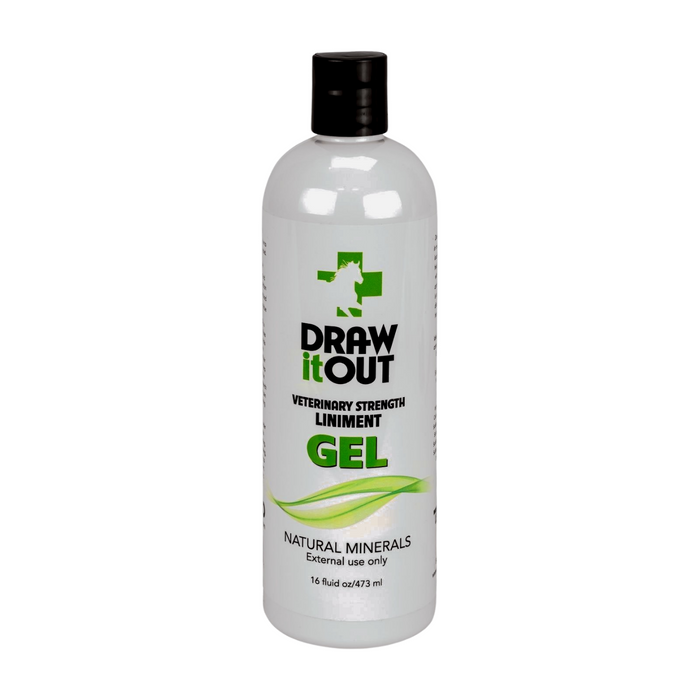
Stay-Put Gel
The everyday liniment gel format riders reach for when they want targeted, no-mess application.
View product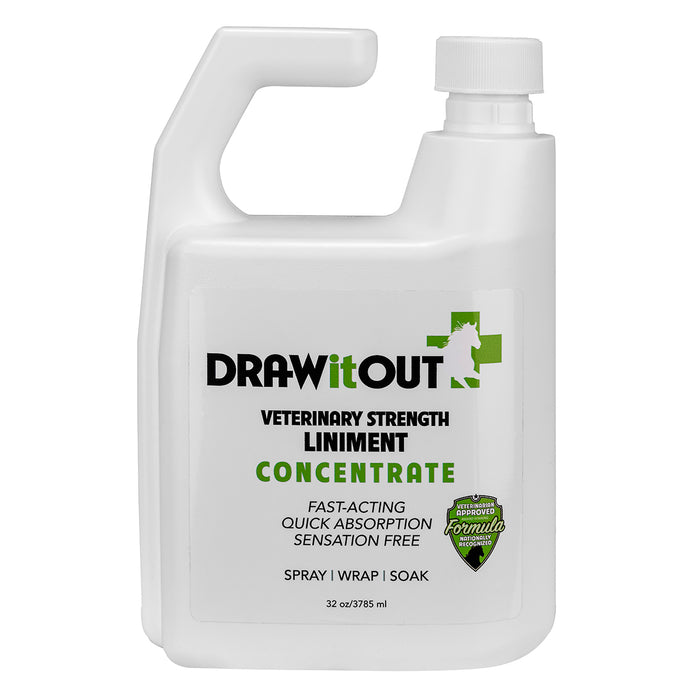
Mix Your Way
A flexible concentrate for riders who want to mix their own routine around workload and barn needs.
View product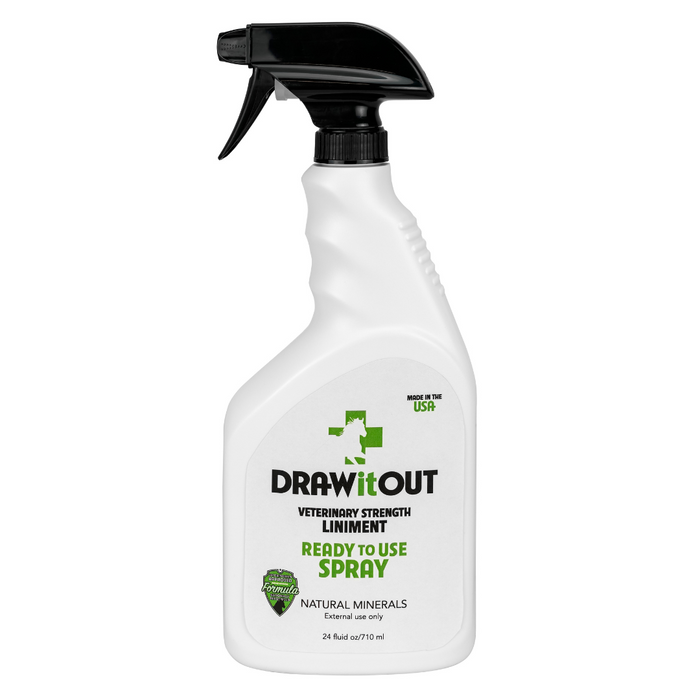
Ready To Use
A ready-to-use spray format for quick application after work, travel, turnout, or daily care.
View product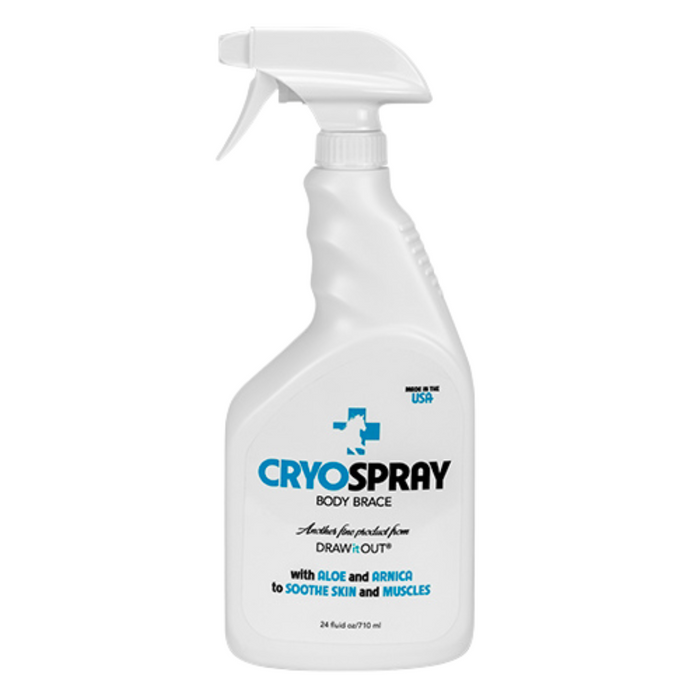
Cooling Brace
A cooling body brace spray for riders who want a fast, practical option after hard work or hot days.
View productFormat matters. Gel, concentrate, ready-to-use spray, and cooling spray each solve a different barn problem. Pick the one your routine will actually use.
!