Daily recovery
Liniment Gels
Explore the Draw It Out® liniment gel lineup for everyday use, post-work routines, and targeted recovery support.
Shop liniment gels
Draw It Out® Horse Health Care News
A Hillsborough County Quarter Horse with a confirmed history of unsanctioned racing was involved in Florida’s first reported EIA case of 2026. One horse was euthanized, four horses were listed as exposed, and the private facility is under official quarantine.
By Jon Conklin
Published July 17, 2026 · Updated July 17, 2026
Florida animal-health officials have reported the state’s first equine infectious anemia case of 2026.
According to Equine Disease Communication Center Alert 5072, the case involved a Quarter Horse at a private facility in Hillsborough County. The horse had a confirmed history connected to unsanctioned racing. Four horses were listed as exposed, one horse was euthanized, and the facility was placed under official quarantine. The alert was sourced to the Florida Department of Agriculture and Consumer Services.
The report does not describe a statewide outbreak or announce broad movement restrictions. It does, however, put a hard spotlight on a disease that remains uncommon but carries permanent consequences.
Florida confirmed its first reported EIA case of 2026 at a quarantined Hillsborough County property. Riders should respond with disciplined biosecurity, current records, clean blood-contact equipment, and veterinary guidance rather than panic.
Equine infectious anemia, usually shortened to EIA, is a viral disease affecting horses, ponies, mules, donkeys and other equids. It does not threaten human health.
There is no treatment or vaccine. Horses that survive infection remain carriers for life and can continue transmitting the virus. Under disease-control rules, an infected horse must be permanently isolated under quarantine or euthanized. EIA is reportable in every state, according to the USDA Animal and Plant Health Inspection Service.
That is why a Coggins test is more than another document buried in the truck console. It is the standard blood test used to detect antibodies associated with EIA and plays a central role in horse movement, sales, boarding and event requirements. For the full evergreen explanation, read our EIA, Coggins testing and movement-rules guide.
The confirmed connection to unsanctioned racing is not a throwaway detail.
Blood-feeding insects such as horseflies and deerflies can transmit EIA, but USDA identifies human-facilitated blood transfer as a major modern transmission concern in the United States. That includes reused needles, syringes or IV sets, contaminated instruments, unsafe blood transfusions and unapproved blood products.
USDA says this transmission pattern has been seen particularly among current and former Quarter Horse racehorses, including horses with ties to unsanctioned racing.
The practical lesson reaches far beyond racing. Every needle should be new. Every syringe should be single-use. Blood products should be licensed and approved. Transfusions should be performed by a veterinarian using properly tested donor blood.
The horse world does not need more rumors. It needs fewer shortcuts.
USDA reported 1,292,655 EIA tests during 2024. Those tests identified 147 positive horses across 63 premises. Florida conducted 94,758 tests that year without recording a positive horse. Those figures come from the USDA 2024 EIA report.
Those numbers provide useful perspective. EIA is not running unchecked through ordinary barns, but surveillance and testing are exactly why prevalence remains low.
A single Florida case should not trigger panic. It should trigger attention to records, equipment, new arrivals and the practices surrounding any horse with an uncertain history.
EIA can be difficult to recognize because some infected horses show mild symptoms, while chronically infected carriers may show no obvious signs.
These signs are not specific to EIA and should not be used for barn-side diagnosis. A veterinarian needs to evaluate the horse and determine the appropriate testing and response.
Confirm that each horse has the testing and health documents required by the destination state, show, boarding facility, sale or event. Make sure the paperwork matches the horse and remains accessible while traveling.
Needles, syringes and IV sets are single-use equipment. Do not share them between horses. Use properly managed veterinary instruments and licensed blood products.
Document where a horse came from, its recent movement, testing history and any gaps in its records. An uncertain history does not automatically mean a horse is infected. It means uncertainty should be resolved before unrestricted mixing, hauling or sharing blood-contact equipment.
Fly management remains part of EIA risk reduction. Remove or manage manure, reduce standing water where practical, use airflow, maintain screens and barriers, and build an appropriate environmental-defense routine. For more barn-level detail, see Reducing EIA Risk in Fly Season.
USDA recommends contacting a veterinarian when EIA is suspected. Potentially affected equids should be separated from other horses while professional guidance is obtained. Follow veterinarian and state animal-health instructions before moving a potentially exposed horse.
Florida’s first EIA case of 2026 is a serious report, but the response should be disciplined rather than dramatic.
Keep Coggins records current. Verify movement requirements. Use a new needle and syringe every time. Know where blood products come from. Manage biting insects. Ask questions when a horse’s history is uncertain. Let veterinarians and state animal-health officials handle diagnosis, testing and movement decisions.
Continue learning in the Draw It Out® Horse Health Library.
Disclosure: Draw It Out® publishes Horse Health Care News and sells equine-care products. No Draw It Out® product is promoted or recommended as a means of preventing, diagnosing or managing EIA in this report.
Veterinary notice: This article is educational and does not replace veterinary advice, official testing, quarantine instructions or state and federal animal-health requirements.
This article gives you the background. If you are ready to put the idea into a real horse care routine, these are the next places most riders should go.
Explore the Draw It Out® liniment gel lineup for everyday use, post-work routines, and targeted recovery support.
Shop liniment gelsMatch your horse’s workload, age, routine, and care goals to the Draw It Out® products that make the most sense.
Use the finderLearn how riders support soundness, comfort, and consistency before little issues become bigger problems.
Read the guideReal Barn Proof
Real riders. Real horses. Real routines. These clips rotate automatically so the proof stays fresh without weighing the page down with a long feed.
Why this matters: good horse care should make sense outside the ad. These clips show the kind of everyday use that builds trust one barn at a time.
Further Reading
Horse care works better when the next step is clear. These related reads help connect today’s topic to better daily decisions in the barn.

Jul 09, 2026
A whole-horse guide to water, forage, electrolyte planning, gut routine, hauling, heat, observation, and veterinary red flags.
Read article
Jul 09, 2026
A practical horse health guide for front foot tenderness after rocky ground: hoof checks, movement checks, and when to call the farrier or vet.
Read article
Jul 09, 2026
After a hot ride, check breathing, sweat, water, shade, tack marks, legs, and attitude before turnout. A practical coolout routine for summer ...
Read articleStart with the principle, then build the habit. The right article should make the next barn decision easier, not more complicated.
Next Step
Simple care guides, practical product paths, and rider-trusted tools built for real horses and real routines.
Good care gets easier when the next step is obvious. Read the guide, match the routine, then choose the format that fits how your barn actually works.
Recovery Routine
Want a smarter way to think through post-ride care, heat, swelling, leg support, and daily recovery decisions? Start with the Performance Recovery Hub.
Better recovery starts with a repeatable routine. The hub gives riders a clearer path from workload to product format to aftercare timing.
Rider Favorites
Four core Draw It Out® staples riders keep close for daily recovery routines, wash rack use, targeted support, and quick barn-side care.
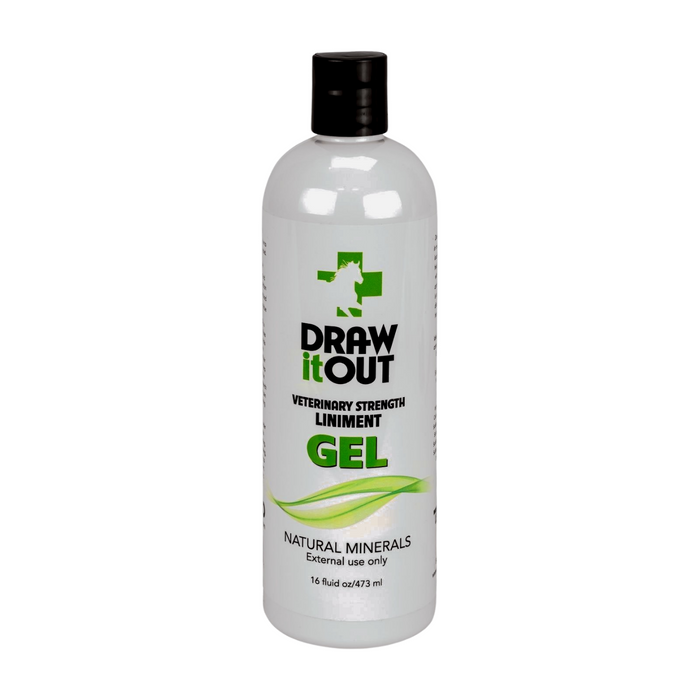
Stay-Put Gel
The everyday liniment gel format riders reach for when they want targeted, no-mess application.
View product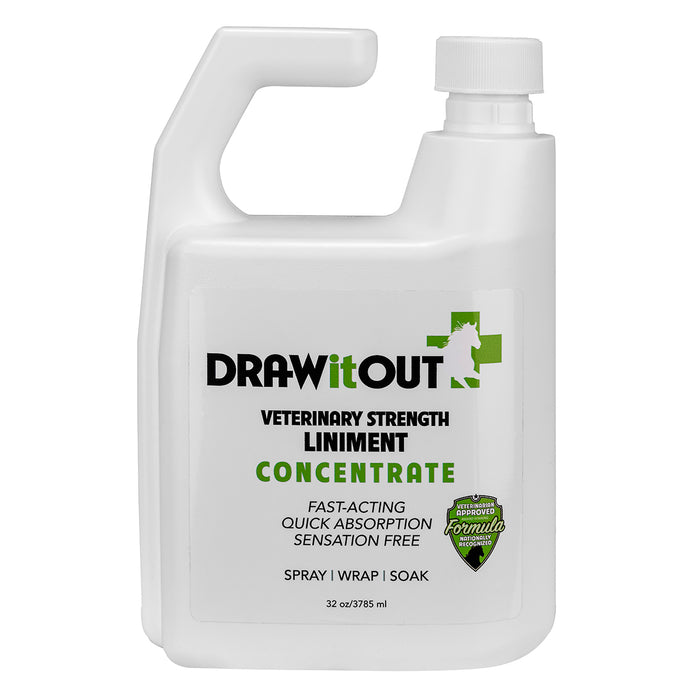
Mix Your Way
A flexible concentrate for riders who want to mix their own routine around workload and barn needs.
View product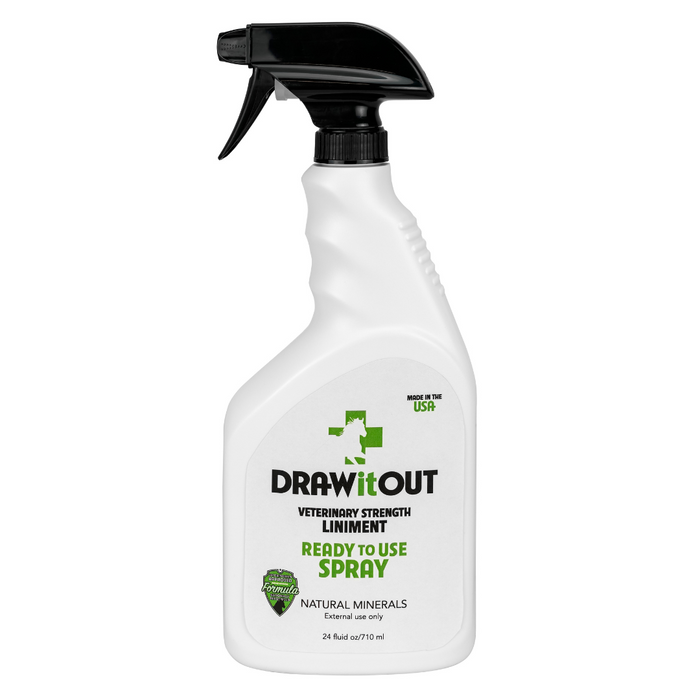
Ready To Use
A ready-to-use spray format for quick application after work, travel, turnout, or daily care.
View product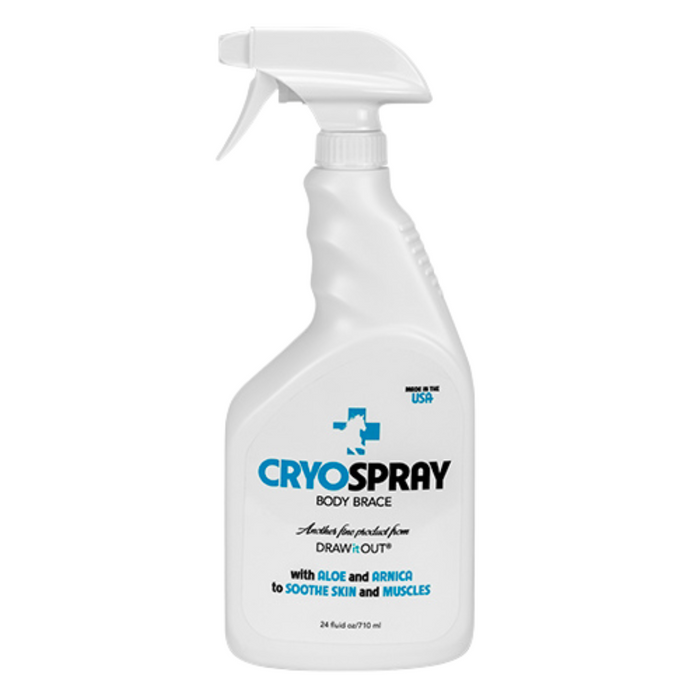
Cooling Brace
A cooling body brace spray for riders who want a fast, practical option after hard work or hot days.
View productFormat matters. Gel, concentrate, ready-to-use spray, and cooling spray each solve a different barn problem. Pick the one your routine will actually use.
!