Draw It Out® Horse Health Care News
Horse Not Cooling Out After a Hot Ride? What to Check Before Turnout
A horse that stays hot, sweaty, dull, or slow to recover after work is telling you the ride is not finished just because the saddle is off. Use this practical summer coolout check before you turn out, haul home, or ask for more.
Quick answer
If a horse is not cooling out after a hot ride, slow the whole barn down. Check breathing, attitude, sweat pattern, skin temperature, water interest, gum color, capillary refill, tack marks, leg fill, shade, air movement, and footing before turnout. If the horse looks distressed, stops sweating, acts dull, shows colic signs, has abnormal gum color, or does not begin to recover with rest and cooling steps, call your veterinarian.
Why the coolout is part of the ride
Hot-weather horse care is not just about deciding whether to ride. It is also about what you do after the ride, when the horse is still carrying heat, sweat, tack pressure, and the work of recovery. A horse can look fine at the gate and still need a better coolout before it is fair to turn him loose, load him, or put him back in a stall.
That is where riders get in trouble. The ride ends, the phone comes out, the trailer is waiting, and the horse is treated like the hard part is over. But in July, the hard part may be the next thirty minutes.
The goal is not to diagnose every problem at the wash rack. The goal is to notice what is normal for that horse, what changed today, and what needs a slower, smarter response.
The first five minutes after you get off
Before you unsaddle and move on, look at the horse as a whole animal. Do not start with one leg or one product. Start with the picture.
- Breathing: Is the horse’s breathing gradually settling, or does it stay hard and high?
- Attitude: Is he alert, interested, and aware, or dull and checked out?
- Sweat pattern: Is he sweating normally for the work and weather, or unusually dry, patchy, or soaked longer than expected?
- Skin temperature: Does the neck, chest, shoulder, and back feel like they are beginning to come down?
- Coordination: Is he standing square and stable, or shifting, weak, or reluctant to move?
Walk first. Stand second. Then decide. A quiet hand-walk in shade with air movement can tell you more than ten minutes of guessing in the aisle.
When to stop guessing
Call your veterinarian if the horse seems distressed, weak, disoriented, colicky, unwilling to drink over time, not sweating when he should be, showing abnormal gum color, or failing to recover after rest and cooling steps. A blog checklist is not a substitute for veterinary care when the horse is telling you something is wrong.
The wash-rack coolout check
The wash rack is not just a rinse station. It is a decision point. This is where you can see sweat tracks, tack pressure, girth areas, shoulder rubs, back heat, swelling, and the horse’s attitude once the work has stopped.
1. Pull tack and look before rinsing
Do a quick visual scan before water hides the evidence. Look under the saddle pad path, behind the girth, around the elbows, across the withers, and along the back. Heat, swelling, hair disruption, dry spots under a soaked pad, or sore reactions are worth noticing.
2. Start cooling where the horse carries heat
Use cool water, shade, and air movement. Focus on the large muscle areas, chest, neck, shoulders, and legs. Scrape water off instead of letting a warm sheet sit on the coat. Repeat as needed while watching the horse’s expression and breathing.
3. Do not confuse clean with recovered
A clean horse is not automatically cooled out. A shiny coat and a rinsed back do not tell you whether breathing has settled, attitude is normal, or the horse is ready for turnout. Stay with the horse long enough to see the trend.
Where Draw It Out® fits
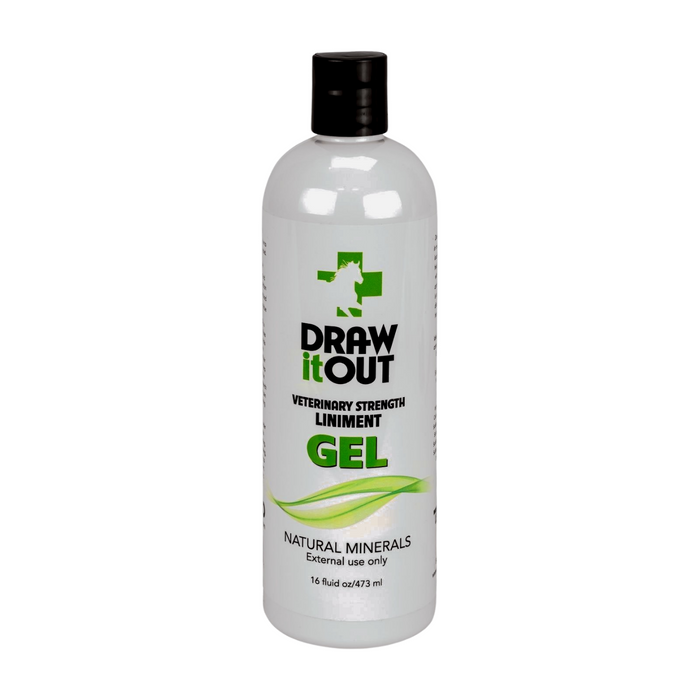
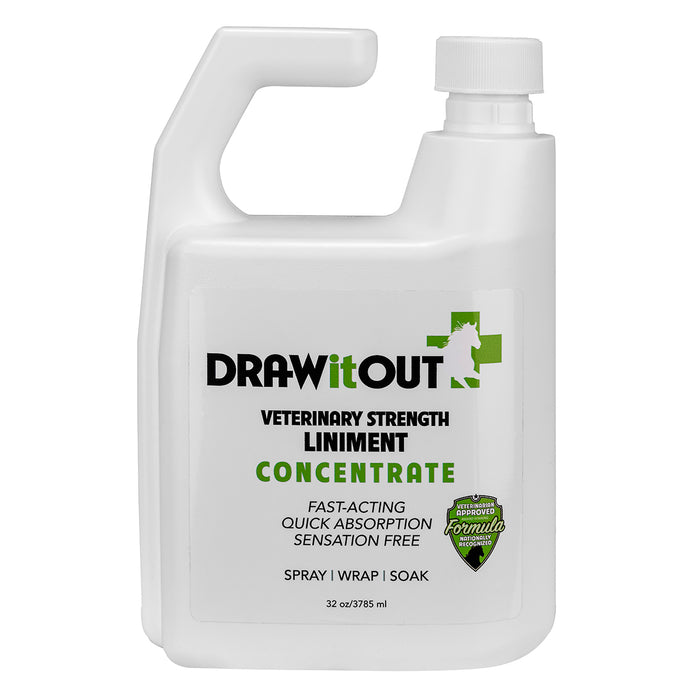
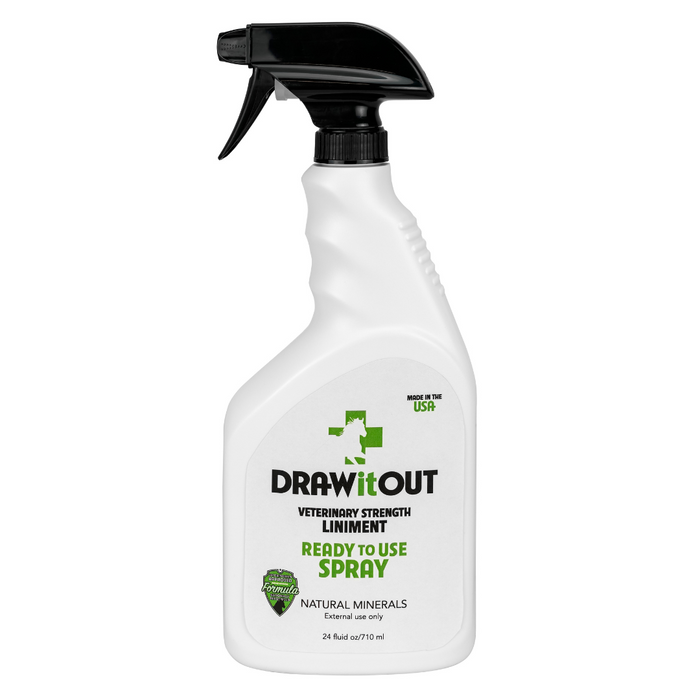
For hot-weather wash-rack routines, IceBath™ Cooling Body Wash can fit after work when you want a practical rinse-and-refresh step as part of a broader coolout routine. For body-area recovery support after work, riders can use Draw It Out® High Potency Gel as directed on the label. Product is not a replacement for water, shade, rest, observation, or veterinary care.
Before turnout, ask these five questions
- Has breathing settled? The trend should be calmer, not stuck high.
- Is the horse mentally present? Bright, aware, and responsive is different from dull or glazed over.
- Is water available and appealing? Clean, cool water matters. So does knowing whether this horse is drinking normally for him.
- Is the turnout area helping or hurting? Shade, airflow, footing, bug pressure, and herd behavior all matter.
- Did tack leave a story? Girth marks, dry spots, rubbed hair, back sensitivity, or shoulder pressure should shape tomorrow’s ride plan.
If the answer to any of those is not clear, give the horse more time. A few extra minutes of boring barn work can prevent a bigger mess later. That is not overthinking. That is horsemanship.
What to write down for the next ride
A simple note can make your summer program smarter. Track the heat, humidity, ride length, footing, how long the horse took to cool out, how he drank, whether he wanted shade, and where tack left pressure. You do not need a spreadsheet. You need enough memory on paper to stop pretending every hot ride is the same.
Patterns matter. If the horse consistently takes too long to recover after certain work, certain weather, certain tack, or certain footing, that is information. Adjust the plan before the horse has to shout.
The rider-first takeaway
The best summer riders are not the ones who grind through heat to prove a point. They are the ones who can read the horse after the work is done. Cooling out is not wasted time. It is where the horse tells you what the ride cost.
Slow down, look closer, rinse with purpose, and make the next decision based on the horse in front of you.
For a product routine matched to your horse’s main concern, use the Draw It Out® Solution Finder.
FAQ
How long should it take a horse to cool out after a hot ride?
It depends on the horse, workload, weather, fitness, humidity, shade, airflow, and recovery routine. The key is trend. Breathing, attitude, and skin temperature should be moving in the right direction. If recovery seems abnormal for that horse, stop and reassess.
Should I rinse my horse after every hot ride?
Many horses benefit from a thoughtful rinse after sweaty work, especially in heat and humidity. Rinse with purpose, scrape excess water, and keep watching the horse. Rinsing is one part of the coolout, not the entire recovery plan.
What signs mean I should call the vet after a hot ride?
Call your veterinarian if the horse appears distressed, weak, dull, disoriented, colicky, not sweating when expected, showing abnormal gum color, or failing to recover after rest and cooling steps.
Can IceBath™ replace walking, shade, and water?
No. IceBath™ can fit into a hot-weather wash-rack routine, but it does not replace walking, clean water, shade, airflow, rest, observation, or veterinary care when needed.
What should I check before turning a horse out after a hot ride?
Check breathing, attitude, water access, sweat pattern, skin temperature, tack marks, legs, footing, shade, bugs, and herd pressure. Turnout should support recovery, not add another layer of stress.