May 11, 2026
Late Spring Sweat, Salt, and Fly Spray Reset for Horses | Draw It Out®
When late spring heats up, horses start carrying more than sweat. Salt, dust, and repeated fly spray layers can change how the coat feels and ...
Read article
Draw It Out® Horse Health
A real-world warm-weather routine for checking heat, sweat, breathing, legs, hydration, and recovery needs before you put your horse away.
Quick answer: If your horse is still hot after untacking, check breathing, sweat pattern, skin temperature, attitude, legs, hydration, and how quickly they return to normal after walking, shade, air flow, water access, and proper cooling.
The goal is not to turn every hot day into a crisis. The goal is to notice when your horse is cooling down normally and when something about the recovery pattern deserves more attention.
Most riders know to walk a horse out. Fewer riders build a repeatable system for what they are actually checking while the horse cools down.
That is where small problems get missed. A horse can be untacked and still not be recovered. Sweat can dry unevenly. Legs can feel different after work. Breathing can stay elevated longer than expected. A horse can look quiet but still need more time.
Warm weather work asks more from the whole horse. Muscles, skin, circulation, breathing, hydration, and attitude all give you clues. None of those clues should be read alone. The pattern is what matters.
The barn rule: untacked does not automatically mean cooled out.
This routine is especially useful after:
Watch the ribcage and nostrils. Breathing should gradually settle with walking, shade, air flow, and time. If it stays hard, noisy, labored, or unusual, do not brush it off.
Look for normal sweat, patchy drying, unusual lack of sweat, heavy lather, or areas that stay hot and damp longer than expected.
Use your hands. Check neck, chest, back, girth area, large muscle groups, and under tack areas. Compare left to right when possible.
A horse that is dull, anxious, unusually quiet, cranky, or disconnected after work is giving you information.
Run your hands down all four legs. Look for heat, filling, new tenderness, boot rubs, interference marks, or changes from the horse’s normal baseline.
Offer water and watch interest. Hydration is a routine, not an afterthought. For electrolyte support, see Hydro-Lyte™ Trusted Horse Electrolyte.
| What you check | What you want to see | When to slow down |
|---|---|---|
| Breathing | Gradual return toward normal | Hard, labored, noisy, or not improving |
| Sweat | Normal sweat and steady drying | No sweat, odd patches, heavy lather, or heat stress concern |
| Muscles | Softening as the horse cools | Guarding, flinching, uneven heat, or reluctance |
| Legs | Normal feel for that horse | New heat, filling, tenderness, cuts, or rubs |
| Attitude | Alert, settled, interested | Dull, anxious, weak, unusually quiet, or off feed |
| Hydration | Normal water interest over time | No interest, abnormal behavior, or signs of distress |
Post-ride care should begin with observation, cooling, hydration, and common sense. Products support the routine. They do not replace the check.
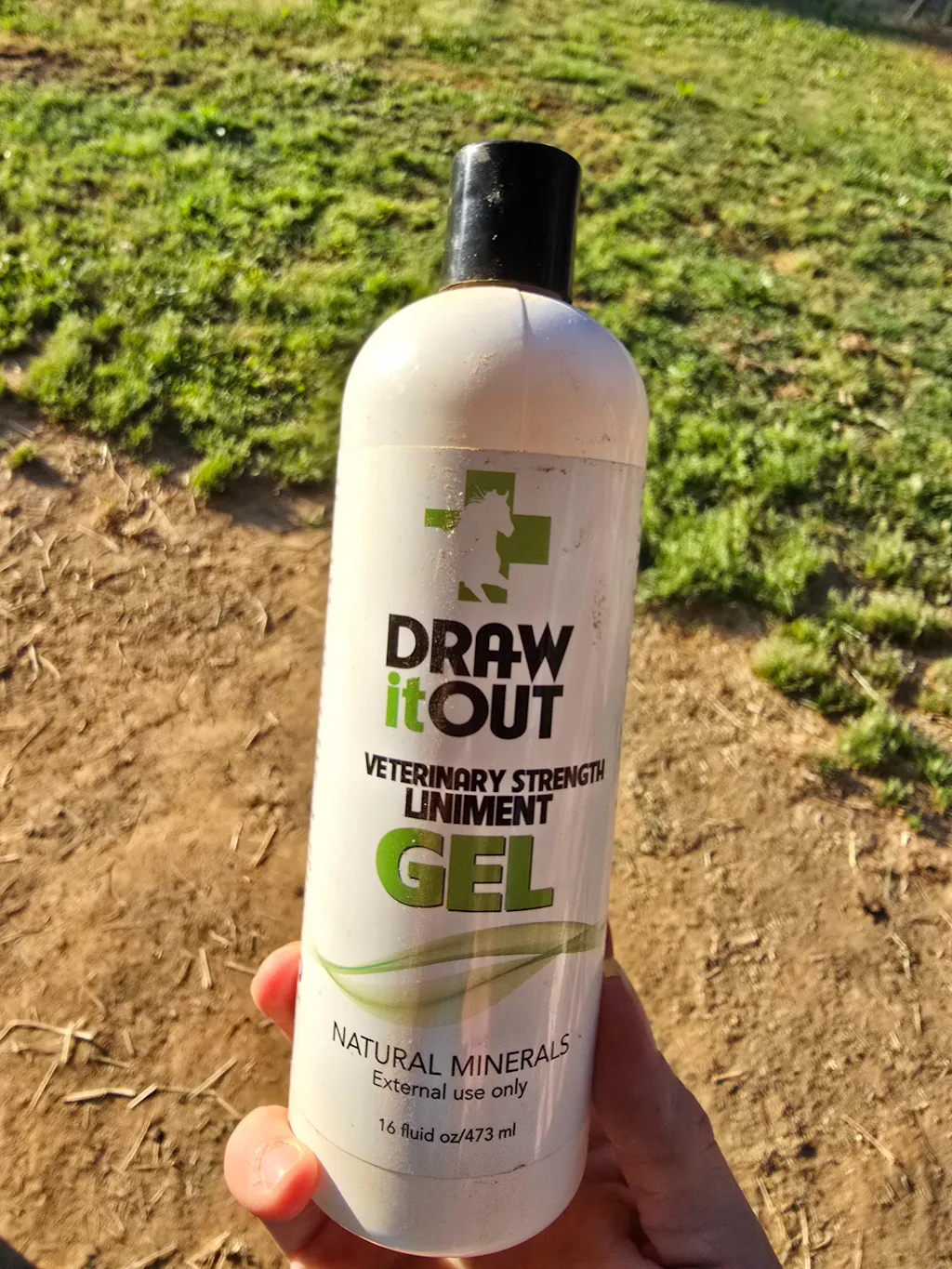
Draw It Out® 16oz Liniment Gel fits daily hands-on post-ride body care when you want a stay-put liniment gel without the burn or tingle.
Draw It Out® 64oz Liniment Gel fits barns that use liniment gel often across multiple horses or repeated routines.
Draw It Out® 32oz Liniment Concentrate fits wash-bucket and dilution-based routines where a mix-to-use formula makes more sense.
For broader decision support, use the Solution Finder, read the Prehabilitation page, or browse the liniment gel collection.
Call your veterinarian if your horse has labored breathing, weakness, collapse, abnormal sweating, no sweating when sweating would be expected, signs of colic, severe distress, persistent elevated temperature, sudden lameness, unusual swelling, or behavior that feels seriously wrong.
Warm-weather recovery is not the place for pride. If your gut says the horse is not right, get qualified help.
For related reading, see Horse Not Sweating Enough in Warm Weather?, The Smart Post-Ride Horse Recovery Routine for Spring Show Season, Signs Your Horse Needs an Easier Day After Work, and Horse Recovery Kit Checklist.
It can be normal for a horse to need more time after warm-weather work, but breathing, attitude, sweat pattern, skin heat, and recovery trend should all improve with proper cooling and time.
Check breathing, sweat pattern, skin heat, attitude, legs, water interest, and how the horse changes after walking, shade, air flow, and cooling.
Observe and cool the horse first. Use liniment gel only as part of an appropriate routine on suitable external areas and according to label directions.
Red flags include labored breathing, weakness, collapse, abnormal sweating, no sweating when sweating would be expected, signs of colic, sudden lameness, or behavior that feels seriously wrong.
Hydration is part of the whole routine. Offer water, monitor normal drinking behavior, and use electrolyte support when it fits your horse’s workload, weather, and management program.
Where to go next: Start with the Solution Finder, build your baseline with Prehabilitation, and match your routine to the right liniment gel format.
Start Here
This article gives you the background. If you are ready to put the idea into a real horse care routine, these are the next three places most riders should go.
Simple rule: read the article for context, use the Solution Finder for direction, then build the routine around the product format your horse will actually use consistently.
Real Barn Proof
Real riders. Real horses. Real routines. These clips rotate automatically so the proof stays fresh without weighing the page down with a long feed.
Why this matters: good horse care should make sense outside the ad. These clips show the kind of everyday use that builds trust one barn at a time.
Further Reading
Horse care works better when the next step is clear. These related reads help connect today’s topic to better daily decisions in the barn.
May 11, 2026
When late spring heats up, horses start carrying more than sweat. Salt, dust, and repeated fly spray layers can change how the coat feels and ...
Read article
May 11, 2026
A practical guide to using horse liniment before exercise, now linked directly to the canonical product router, Prehabilitation page, and lini...
Read article
May 11, 2026
A practical, calm guide to gelding sheath cleaning, including supplies, frequency, safe steps, and when to stop and call the veterinarian.
Read articleStart with the principle, then build the habit. The right article should make the next barn decision easier, not more complicated.
Next Step
Simple care guides, practical product paths, and rider-trusted tools built for real horses and real routines.
Good care gets easier when the next step is obvious. Read the guide, match the routine, then choose the format that fits how your barn actually works.
Recovery Routine
Want a smarter way to think through post-ride care, heat, swelling, leg support, and daily recovery decisions? Start with the Performance Recovery Hub.
Better recovery starts with a repeatable routine. The hub gives riders a clearer path from workload to product format to aftercare timing.
Rider Favorites
Four core Draw It Out® staples riders keep close for daily recovery routines, wash rack use, targeted support, and quick barn-side care.
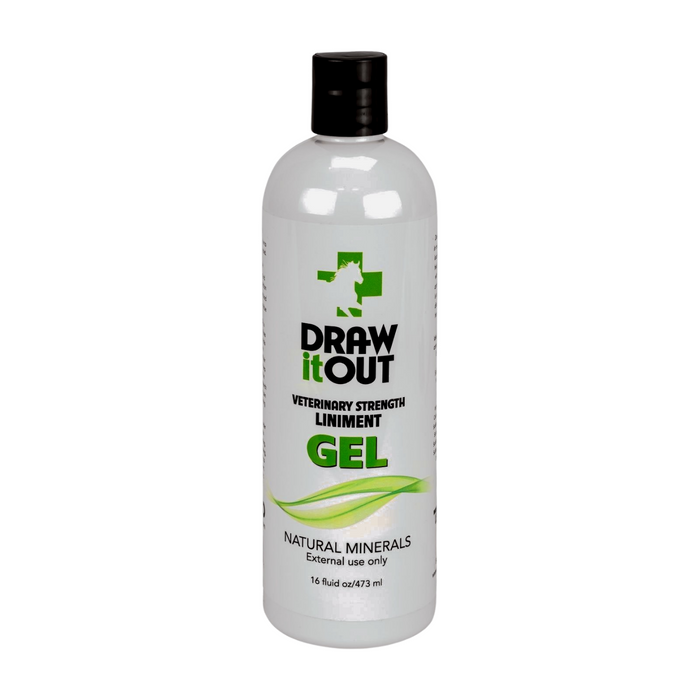
Stay-Put Gel
The everyday liniment gel format riders reach for when they want targeted, no-mess application.
View product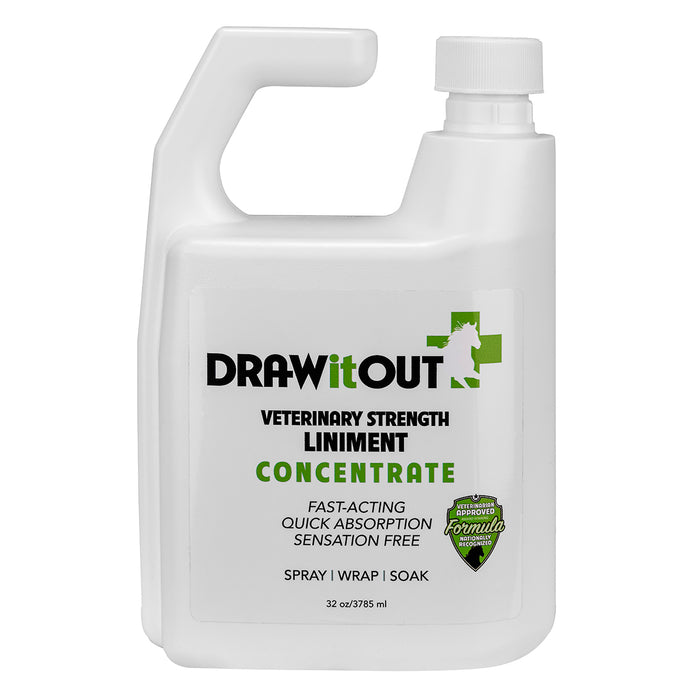
Mix Your Way
A flexible concentrate for riders who want to mix their own routine around workload and barn needs.
View product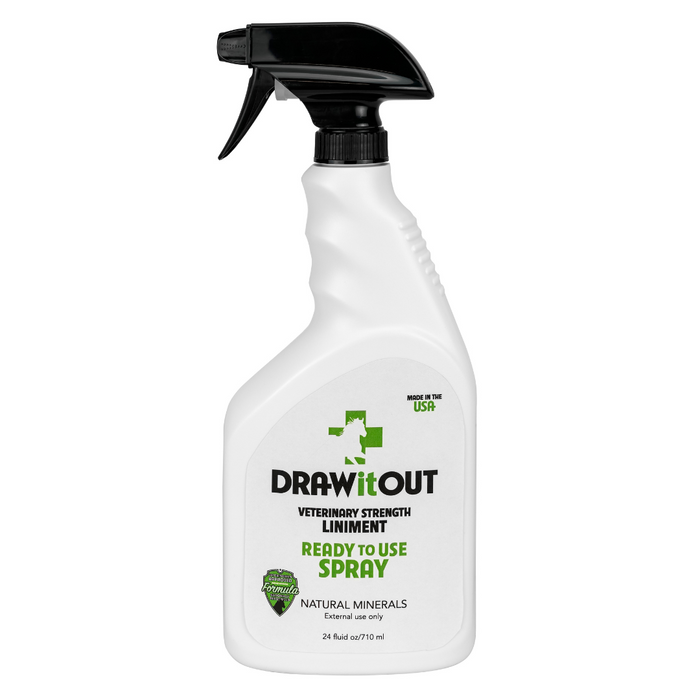
Ready To Use
A ready-to-use spray format for quick application after work, travel, turnout, or daily care.
View product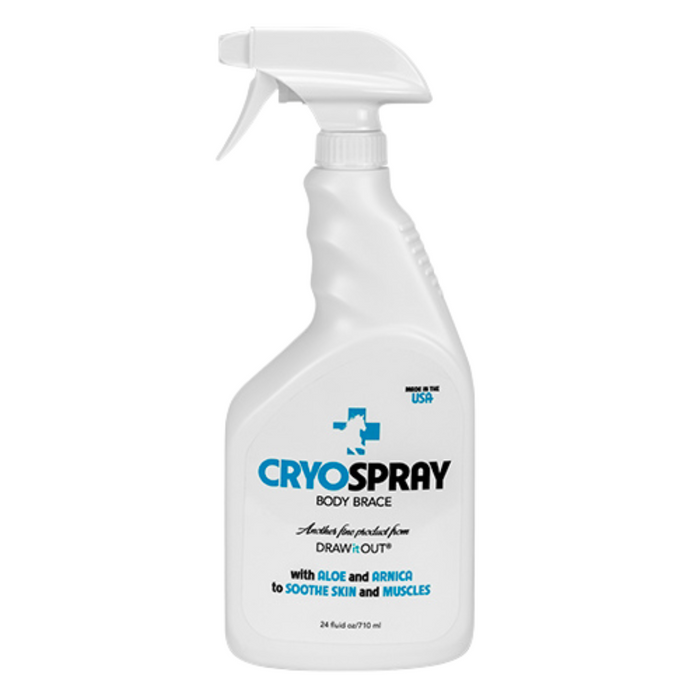
Cooling Brace
A cooling body brace spray for riders who want a fast, practical option after hard work or hot days.
View productFormat matters. Gel, concentrate, ready-to-use spray, and cooling spray each solve a different barn problem. Pick the one your routine will actually use.
!