How to Read a Liniment Label Before a Show
A strong smell and a big cooling or warming sensation can make a product feel dramatic. That does not tell you whether it fits your program, your horse, or your show week. The label does.
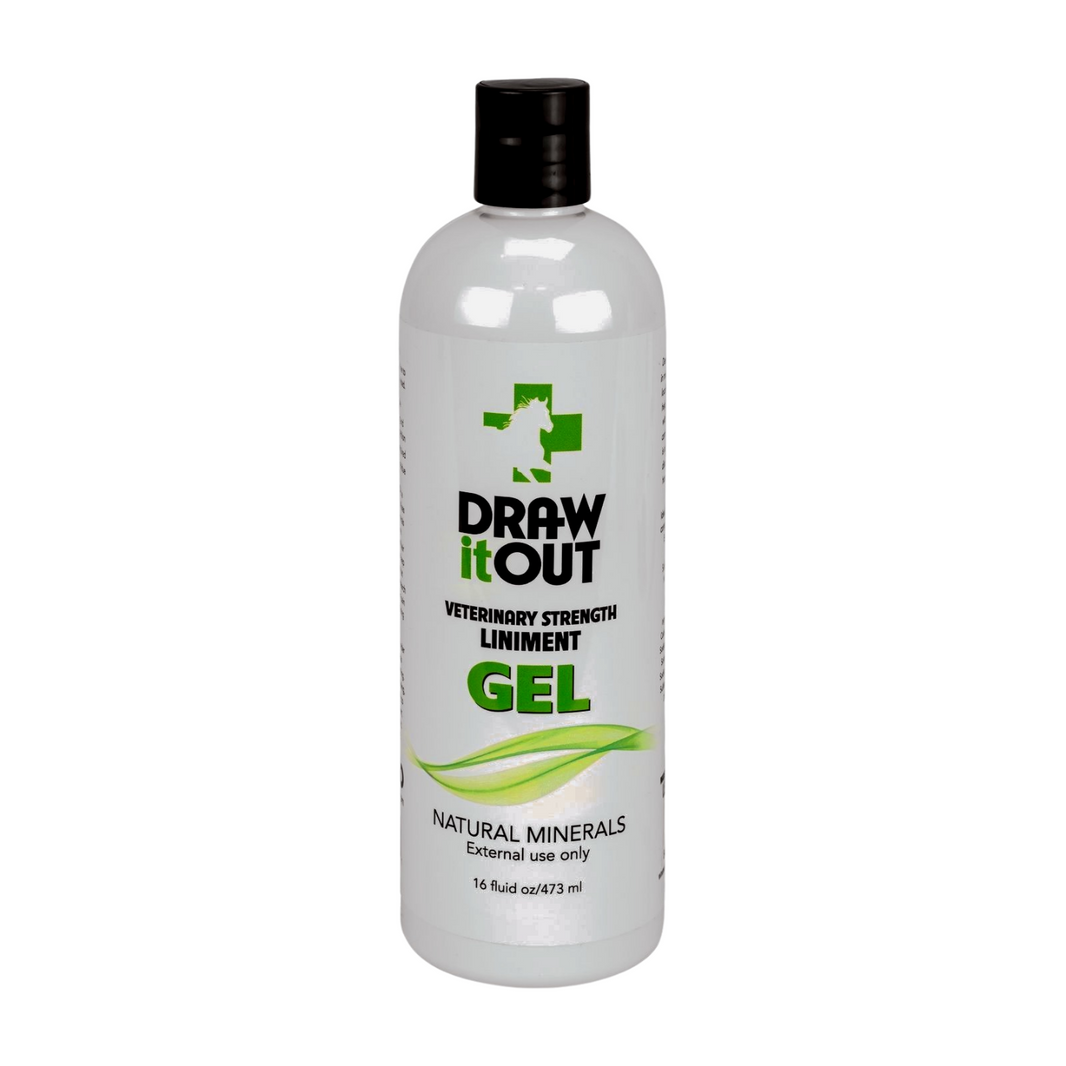
Before a show, read the label from the active ingredients down. Watch for capsaicin or capsicum, which is a hard stop for competition-minded riders, and be careful with salicylate sources such as methyl salicylate or wintergreen. Menthol, camphor, heavy alcohol, strong fragrance, and wrap use all deserve a second look. The cleaner the label, the easier the decision.
The 60 second label scan
- Read the active ingredients first. Do not start with the marketing copy. Start with the actual actives.
- Look for heat, ice, or numbing language. If the front says hot, icy, deep heat, extra strength, or fast cooling, check the back twice.
- Scan for problem names. Capsaicin, capsicum, methyl salicylate, wintergreen, camphor, lidocaine, benzocaine, and menthol are the common names riders should notice fast.
- Check how you plan to use it. Under wraps, pads, or boots is a different situation than open air on a clean leg after work.
- Keep a boring barn log. Product, ingredient, date, time, and where it was used. Boring beats guessing every time.
The ingredient names worth slowing down for
| Ingredient name on label | What riders usually think | Why it deserves attention |
|---|---|---|
| Capsaicin / Capsicum | Hot product, stronger product | This is the one competition-minded riders should treat as a hard stop. |
| Methyl salicylate / Wintergreen | Herbal, natural, traditional | Natural does not automatically mean simple. Salicylate sources deserve caution, especially around show timing and heavier use. |
| Menthol | Cooling, classic liniment feel | Common, but still something many riders avoid in serious show programs because it adds sensation and can complicate decision making. |
| Camphor | Old-school medicinal smell | Often appears in stronger traditional formulas and usually comes with more sensory drama than many horses need. |
| Lidocaine / Benzocaine / other numbing actives | Comfort fast | Anything built to numb should make you stop and verify before competition. |
| Alcohol high on the panel | Dries fast, feels clean | Can sting, can smell strong, and can feel harsher on thin-skinned or freshly clipped horses. |
What catches riders off guard
1. “Natural” is not the same as simple
Wintergreen sounds gentler than a chemical name. On a label, it should still make you pause. Riders get into trouble when they read the vibe of an ingredient instead of the function.
2. Wraps change the conversation
A product used lightly on an open area is one thing. A product layered under wraps, boots, or pads is another. Occlusion can change how a topical behaves, which is why clean, minimal routines tend to be easier to manage.
3. Smell is not proof
A loud medicinal profile can trick people into thinking a formula is more serious. Most of the time it just means the product announces itself faster than it helps.
A cleaner way to think about it
The real question is not whether a label sounds powerful. The real question is whether you can explain every ingredient on it, every use case for it, and every timing decision around it without talking yourself into a corner.
Low odor. Clear ingredient names. No heat theater. No mystery blend doing ten different things. Boring is what lets you stay consistent.
If the label looks busy, simplify the routine
If you are staring at a bottle with multiple actives, warming language, herbal euphemisms, and a long sensory story, that is your answer. Complicated labels create complicated decisions. Many riders would rather run a calmer product they understand and keep the whole program easier to defend.
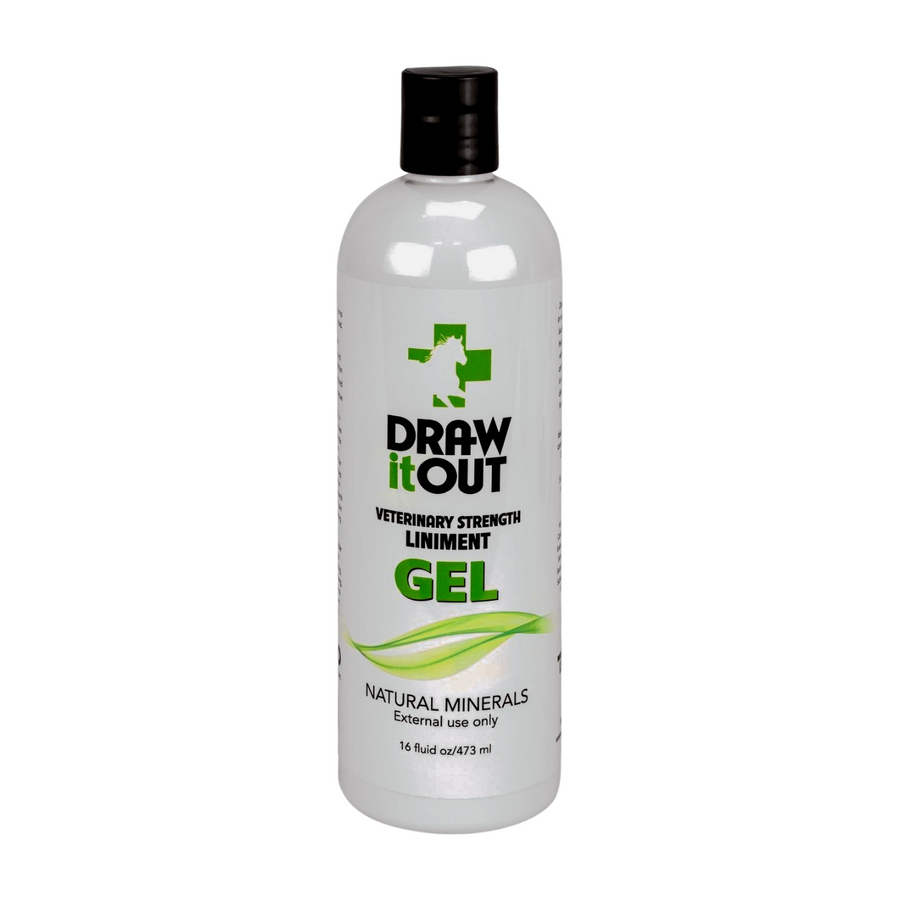
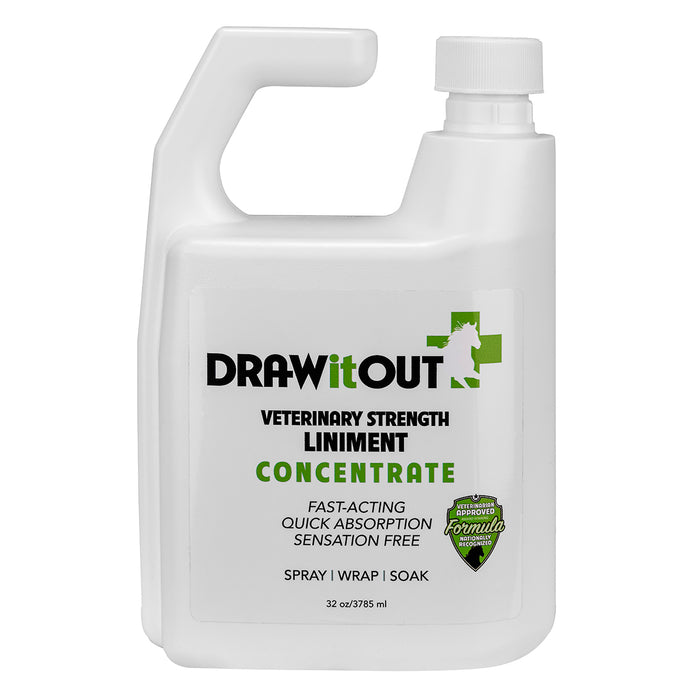
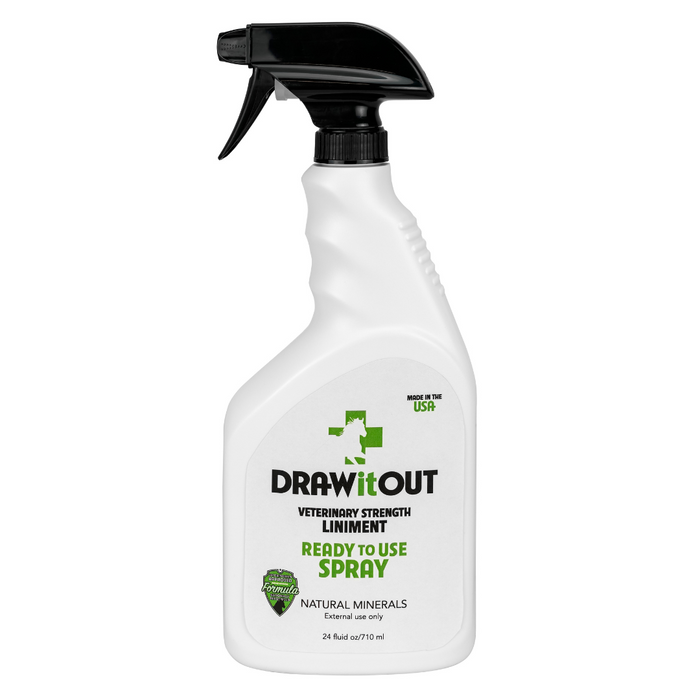
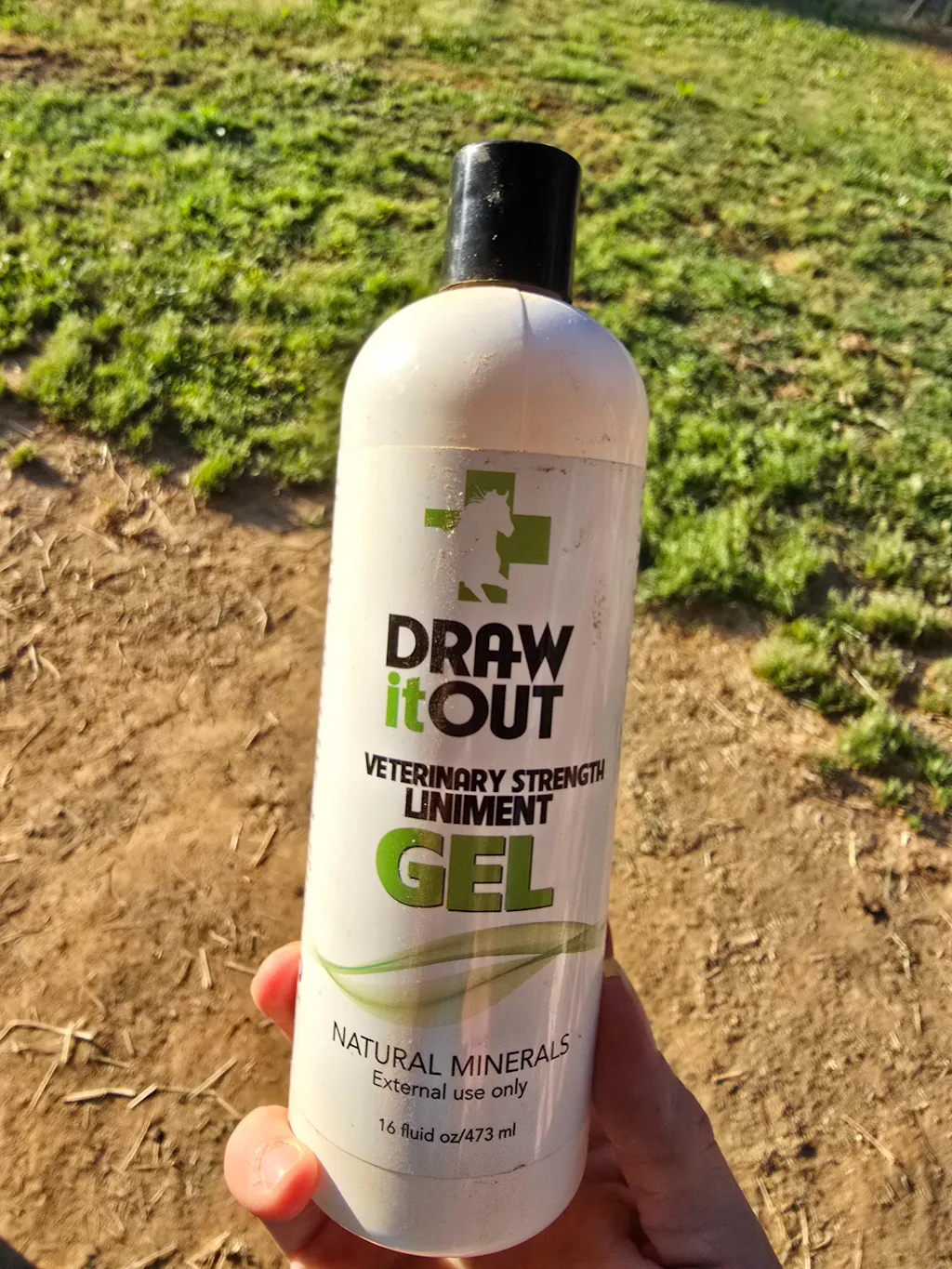
That same mindset is why many barns start with a controlled liniment gel collection instead of chasing louder formulas.
Where this fits in a real routine
Label reading is not separate from horse care. It is part of it. The best routines start long before a steward question or a last-minute panic.
Use the Prehabilitation mindset to build the kind of daily system that does not rely on drama in a bottle. Then use the Solution Finder when you want the fastest next step based on what your horse actually needs.
Frequently asked questions
What is the first thing I should read on a liniment label?
The active ingredient panel. Start there before you read claims, directions, or front-label language.
Which ingredient name is the biggest red flag before competition?
Capsaicin or capsicum is the clearest hard stop for competition-minded riders.
Does “natural” make a liniment automatically safer for show use?
No. Plant-derived ingredients can still create rule, timing, or irritation questions. Read the actual ingredient names, not the mood of the label.
Why do riders get cautious with wintergreen or methyl salicylate?
Because salicylate sources deserve more care around timing, volume of use, and show context than many riders realize at first glance.
Does a strong smell mean a product works better?
No. Smell is usually a sensory signal, not proof of a better fit for your horse or your routine.