Draw It Out® Horse Health Care News
Palomino Horse Guide: Color, Genetics, Grooming and Care
Palomino describes a coat color, not a breed. The classic palomino has a gold or cream body with a light mane and tail, usually created when one cream allele dilutes a chestnut base. Appearance still varies by season, age, lighting, and grooming.
Quick answer: A palomino is generally a chestnut-based horse with one copy of the cream dilution. The body ranges from pale cream to deep gold, while the mane and tail are typically white or light cream. Palomino can occur in many breeds, but breed and color registries set their own eligibility and shade standards. A photograph cannot always separate palomino from flaxen chestnut, champagne, or other lookalikes, so pedigree, registration records, and genetic testing matter when the answer affects breeding or paperwork.
Palomino is a color, not a breed
Quarter Horses, Paint Horses, Morgans, Tennessee Walking Horses, ponies, and other populations can include palomino individuals when their genetics and registry rules allow it. Calling a horse palomino does not describe height, conformation, temperament, athletic ability, or care needs beyond color-related grooming observations.
Some organizations register horses by breed, while palomino color associations may register or recognize horses that meet color, ancestry, or type requirements. Use the exact organization's current rules rather than assuming every golden horse qualifies.
The cream dilution in plain language
Chestnut horses produce red pigment without black points. One cream allele lightens that red pigment and typically produces the palomino appearance. Two cream alleles on a chestnut base generally produce cremello, which is much paler and commonly has pink skin and blue eyes.
Inheritance follows genetics, not a promise based on visible shade. A palomino can pass either the cream allele or the non-cream version, but the foal's final color also depends on the other parent's base-color and dilution genes. Genetic testing is the reliable tool when breeding decisions require certainty.
- Color shade alone does not show every gene a horse carries.
- Nutrition and grooming affect coat quality, not the underlying color genotype.
- Sun fading changes appearance without changing the horse's inherited color.
- White markings are separate from the palomino body color.
Separate palomino from common lookalikes
A flaxen chestnut may have a red or copper body with a light mane and tail but lacks the cream dilution. Buckskin commonly has a tan or gold body with black mane, tail, and lower-leg points because cream acts on a bay base. Cremello is usually much paler with pink skin and blue eyes. Champagne and other dilution combinations can also create golden shades.
Most palominos have dark skin and brown eyes, except beneath ordinary white markings where skin may be pink. Foal coats, winter hair, clipping, sweat, dust, and camera color can confuse visual identification. Compare protected hair, mane and tail roots, skin, eye color, parents, and older photographs.
Manage shade, sun fading, and coat quality
A palomino may look lighter in winter, darker after shedding, or uneven after sun and sweat. That is usually a cosmetic observation, not a health diagnosis. Provide balanced nutrition based on veterinary or equine-nutrition guidance, regular grooming, shade where practical, clean tack and blankets, and bathing that does not leave residue or dry the coat unnecessarily.
Do not use harsh whitening chemicals or unapproved color products to chase a registry shade. Test grooming products according to the label and stop for irritation. Coat dullness, patchy loss, persistent dandruff, widespread itching, or skin pain deserves a health and management review rather than more shine product.
Keep the mane and tail light without breaking hair
- Remove burrs, bedding, and knots by hand before brushing. Start at the ends and support the hair above the tangle.
- Wash only when needed with a horse-appropriate product. Rinse completely, especially at the mane base and tailbone.
- Blot and air-dry when conditions allow. Aggressive rubbing and brushing wet hair can increase breakage.
- Check the dock, mane crest, withers, and blanket or tail-bag contact points for rubbing, flakes, swelling, and broken skin.
- Use protective styles or bags only when clean, correctly fitted, and checked often. Trapped moisture and tension can create problems.
Color does not explain a skin or coat problem
- Open, draining, hot, painful, swollen, or rapidly spreading skin change
- Severe or persistent itching, hives, facial swelling, or breathing change
- Circular or patchy hair loss, heavy crusting, unusual odor, or recurring sores
- Eye pain, marked light sensitivity, discharge, or changes in vision
- Weight loss, appetite change, fever, dullness, or coat change with whole-horse illness
Contact the veterinarian for diagnosis. Palomino color does not prove sensitivity, allergy, infection, nutritional deficiency, or any specific disease.
Where grooming products fit
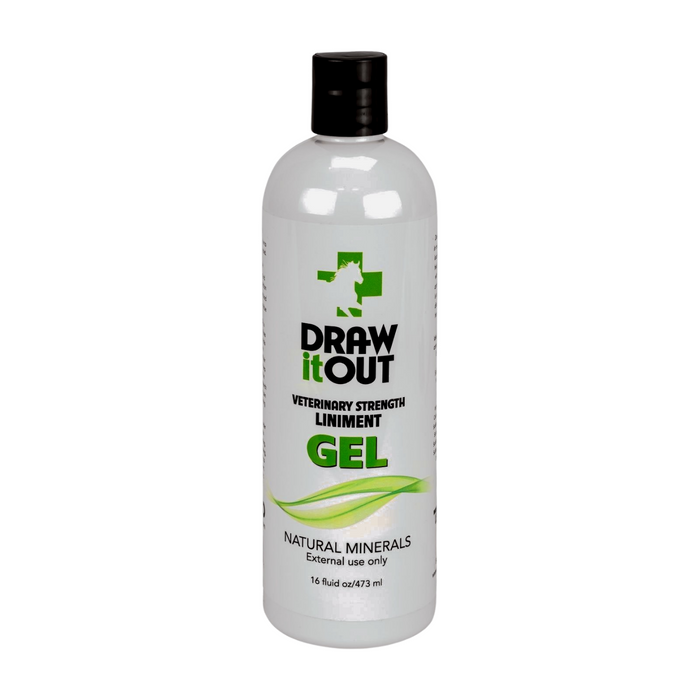
Use the Horse Coat Colors guide for broader identification and the Horse Health Library for care decisions. Draw It Out® Skin & Coat Therapy can fit label-directed leave-in grooming when the skin is appropriate.
A grooming product can support coat, mane, and tail presentation. It cannot change color genetics, treat disease, replace balanced nutrition, or solve unexplained hair loss and irritation.
Frequently asked questions
Is a palomino a horse breed?
No. Palomino is a coat color that can occur in multiple breeds. Breed registries and palomino color organizations have separate eligibility rules.
What genetics make a palomino horse?
A palomino is generally a chestnut-based horse with one cream allele. Genetic testing can confirm color genes when breeding or registration decisions require certainty.
What is the difference between palomino and buckskin?
Palomino usually has a gold body with a light mane and tail on a chestnut base. Buckskin usually has a tan or gold body with black points on a bay base.
Can a palomino horse get darker or lighter?
Seasonal coat, sun, sweat, clipping, age, and grooming can change visible shade. Those changes do not alter the horse's inherited color genotype.
How do I keep a palomino mane and tail clean?
Remove debris gently, detangle from the ends, wash only when needed with horse-appropriate products, rinse completely, dry carefully, and monitor protective styles for moisture and tension.
Educational note: This article provides general information and does not diagnose or treat an animal. Follow product labels and work with the veterinarian or other qualified professional when health, pain, injury, or safety is uncertain.