Daily recovery
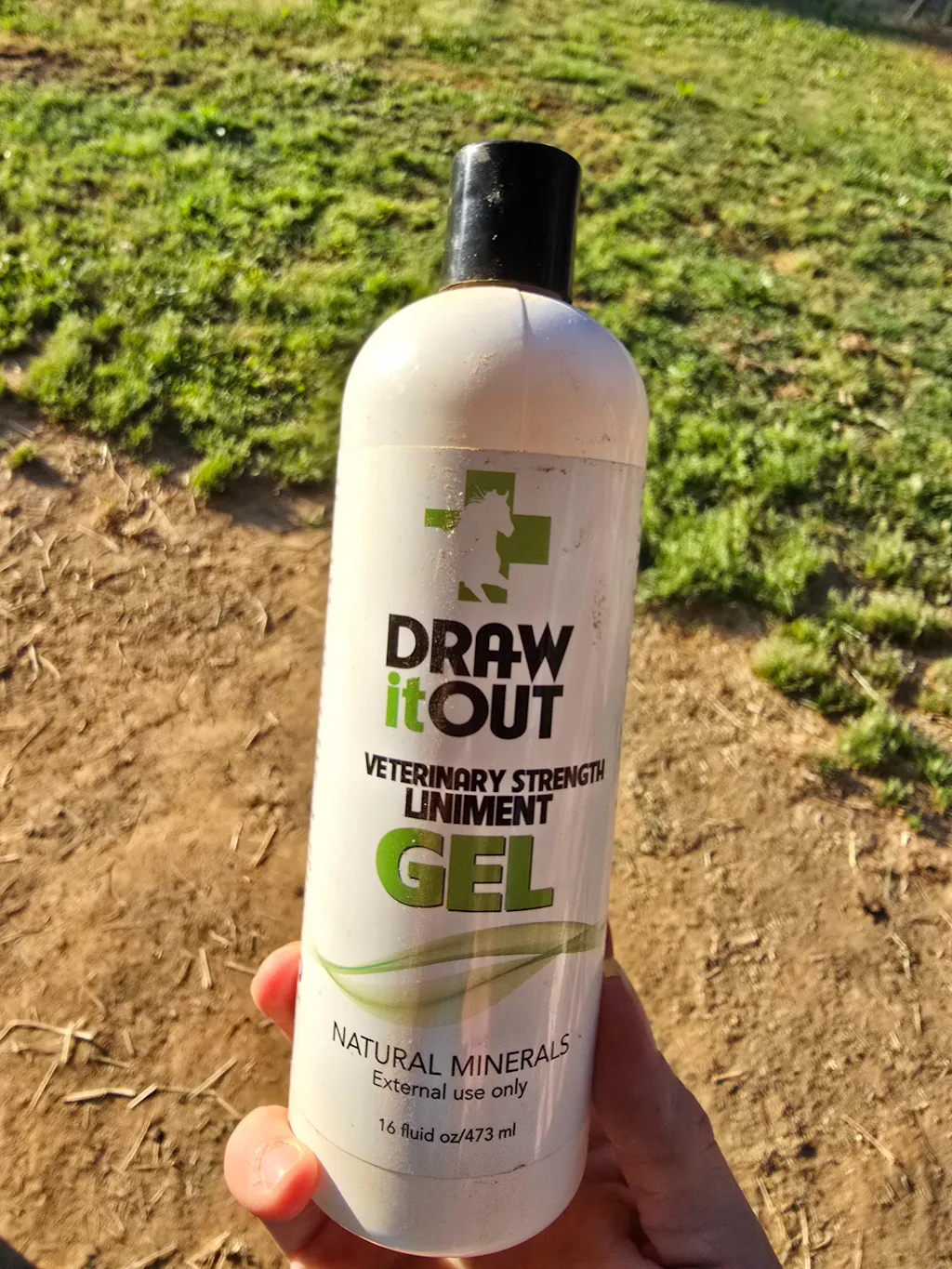
Liniment Gels
Explore the Draw It Out® liniment gel lineup for everyday use, post-work routines, and targeted recovery support.
Shop liniment gels
Step into your arena in early spring and it looks fine.
Maybe a little softer. Maybe a little deeper. Maybe just… different.
But your horse feels it immediately.
Because footing doesn’t need to look dramatic to change everything.
Winter footing is typically consistent and predictable. Spring footing is not.
That inconsistency forces your horse to constantly adapt.
When footing changes, your horse recalibrates every stride.
This happens continuously throughout the ride.
Many riders notice subtle changes:
These aren’t random issues. They are the body responding to inconsistent ground.
Soft footing often feels safer, but it increases workload.
Especially early in the season, conditioning may not yet match the demand.
The biggest challenge is not one type of footing. It is the change between them.
Each transition requires immediate adjustment.
Spring is not a rigid season.
Adjust your ride based on footing:
More work is not better work.
Watch for:
If those fade, the footing is likely the limiting factor.
Variable footing increases demand on joints, tendons, and muscles.
Supporting recovery becomes essential during this time.
You cannot control the footing, but you can prepare your horse for it.
Prehabilitation focuses on maintaining mobility and helping the body adapt before problems show up.
Many riders include additional support during seasonal transitions.
The ground your horse moves on is not static.
In spring, it changes daily, sometimes hourly.
The best riders recognize that and adjust accordingly.
Your horse is adapting every step.
The question is whether your program adapts with them.
This article gives you the background. If you are ready to put the idea into a real horse care routine, these are the next places most riders should go.
Explore the Draw It Out® liniment gel lineup for everyday use, post-work routines, and targeted recovery support.
Shop liniment gelsMatch your horse’s workload, age, routine, and care goals to the Draw It Out® products that make the most sense.
Use the finderLearn how riders support soundness, comfort, and consistency before little issues become bigger problems.
Read the guideReal Barn Proof
Real riders. Real horses. Real routines. These clips rotate automatically so the proof stays fresh without weighing the page down with a long feed.
Why this matters: good horse care should make sense outside the ad. These clips show the kind of everyday use that builds trust one barn at a time.
Further Reading
Horse care works better when the next step is clear. These related reads help connect today’s topic to better daily decisions in the barn.

May 14, 2026
When a horse does not sweat enough in warm weather, it can turn from a small clue into a serious risk fast. This guide explains what to check ...
Read article
May 13, 2026
A practical post-ride horse recovery routine for spring show season, now routed directly to the live What Does My Horse Need page, Prehabilita...
Read article
May 12, 2026
A horse show hydration guide now routed directly to What Does My Horse Need, Prehabilitation, Hydro-Lyte®, and 16oz Liniment Gel.
Read articleStart with the principle, then build the habit. The right article should make the next barn decision easier, not more complicated.
Next Step
Simple care guides, practical product paths, and rider-trusted tools built for real horses and real routines.
Good care gets easier when the next step is obvious. Read the guide, match the routine, then choose the format that fits how your barn actually works.
Recovery Routine
Want a smarter way to think through post-ride care, heat, swelling, leg support, and daily recovery decisions? Start with the Performance Recovery Hub.
Better recovery starts with a repeatable routine. The hub gives riders a clearer path from workload to product format to aftercare timing.
Rider Favorites
Four core Draw It Out® staples riders keep close for daily recovery routines, wash rack use, targeted support, and quick barn-side care.
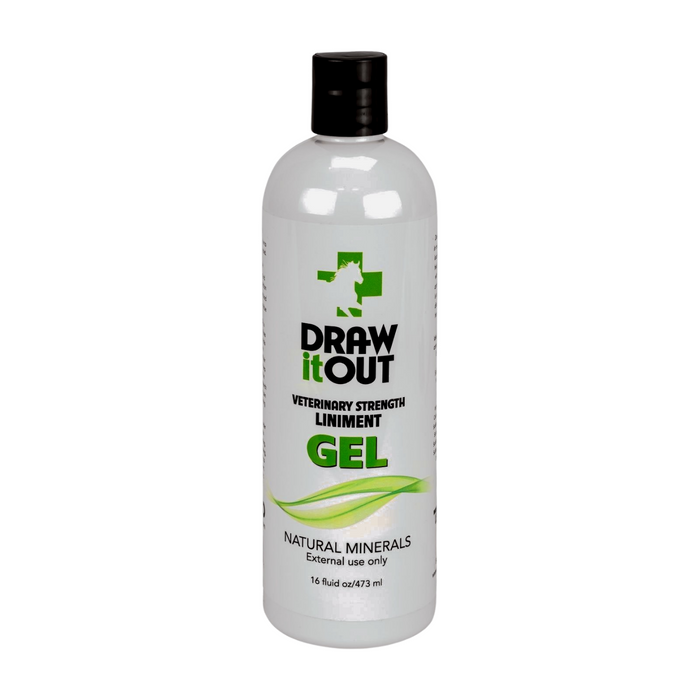
Stay-Put Gel
The everyday liniment gel format riders reach for when they want targeted, no-mess application.
View product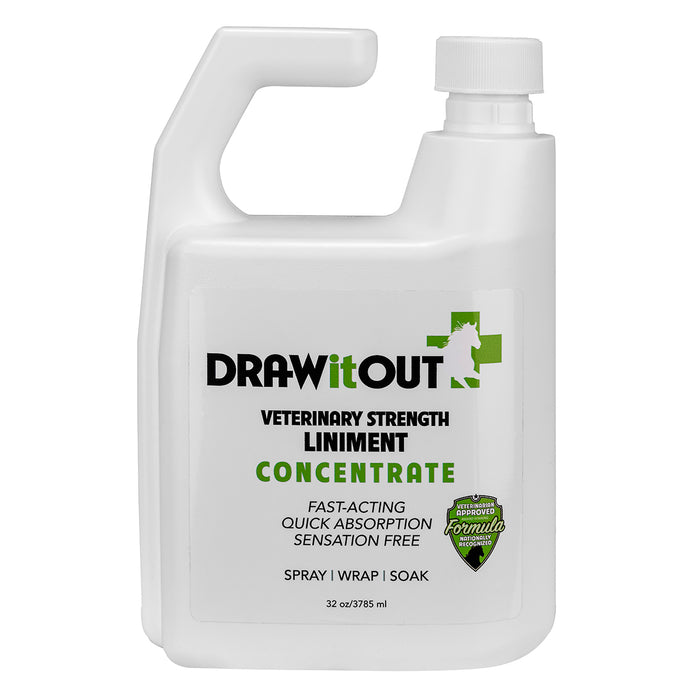
Mix Your Way
A flexible concentrate for riders who want to mix their own routine around workload and barn needs.
View product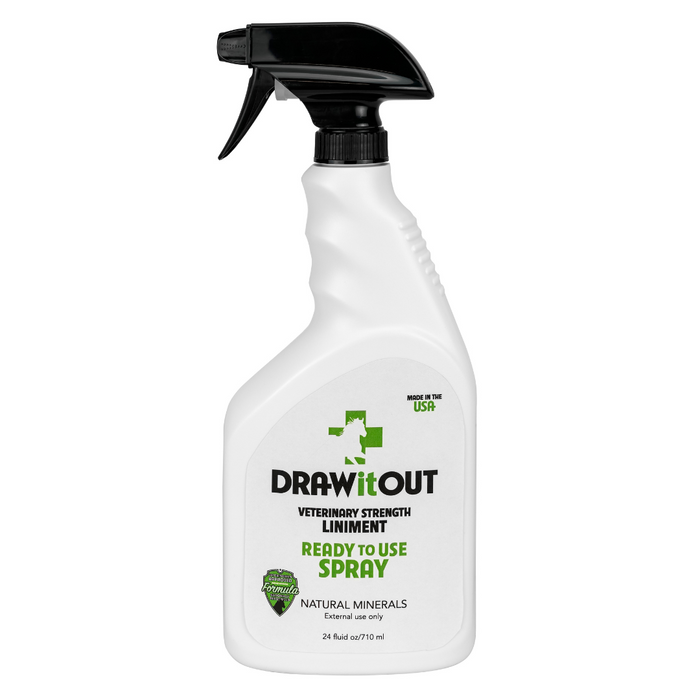
Ready To Use
A ready-to-use spray format for quick application after work, travel, turnout, or daily care.
View product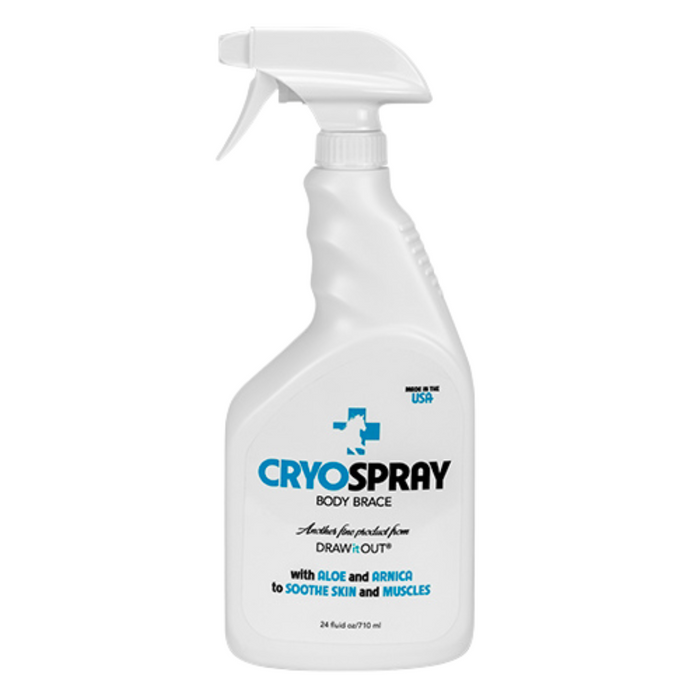
Cooling Brace
A cooling body brace spray for riders who want a fast, practical option after hard work or hot days.
View productFormat matters. Gel, concentrate, ready-to-use spray, and cooling spray each solve a different barn problem. Pick the one your routine will actually use.
!