Why spring turnout changes hit the legs first
Winter routines often mean less free movement, fewer big stride variations, and more predictable loading. Then spring shows up and turnout hours jump. Horses accelerate, spin, slide, and gallop on footing that may be uneven, soft, or patchy.
That combination matters because the tissues that protect joints and stabilize the lower limb adapt slower than enthusiasm. The result is not always a dramatic injury. More often, it is cumulative strain that builds quietly over days.
Where turnout strain usually shows up
In the first two to three weeks of increased turnout, watch these common stress points:
- Suspensory ligament area and fetlock support structures
- Flexor tendons and the back of the cannon region
- Hocks and stifles when play includes stopping and spinning
- Feet and pasterns when the pasture is soft, rutted, or slick
The signals riders miss because they are subtle
Stocking up
Mild filling that improves with movement can be a workload signal, especially after a big turnout day.
Next-day stiffness
If the first ten minutes feel tighter than normal, that is your best early indicator.
Warmth in lower legs
Not always alarming, but worth tracking when it appears after a turnout change.
Shorter stride early
Horses often protect themselves quietly before a problem looks obvious.
How to manage the turnout transition without killing the joy
1) Increase turnout time progressively
If you can, add turnout in steps rather than flipping from “a few hours” to “all day.” Tissue adapts best when the demand climbs gradually.
2) Pay attention to herd energy
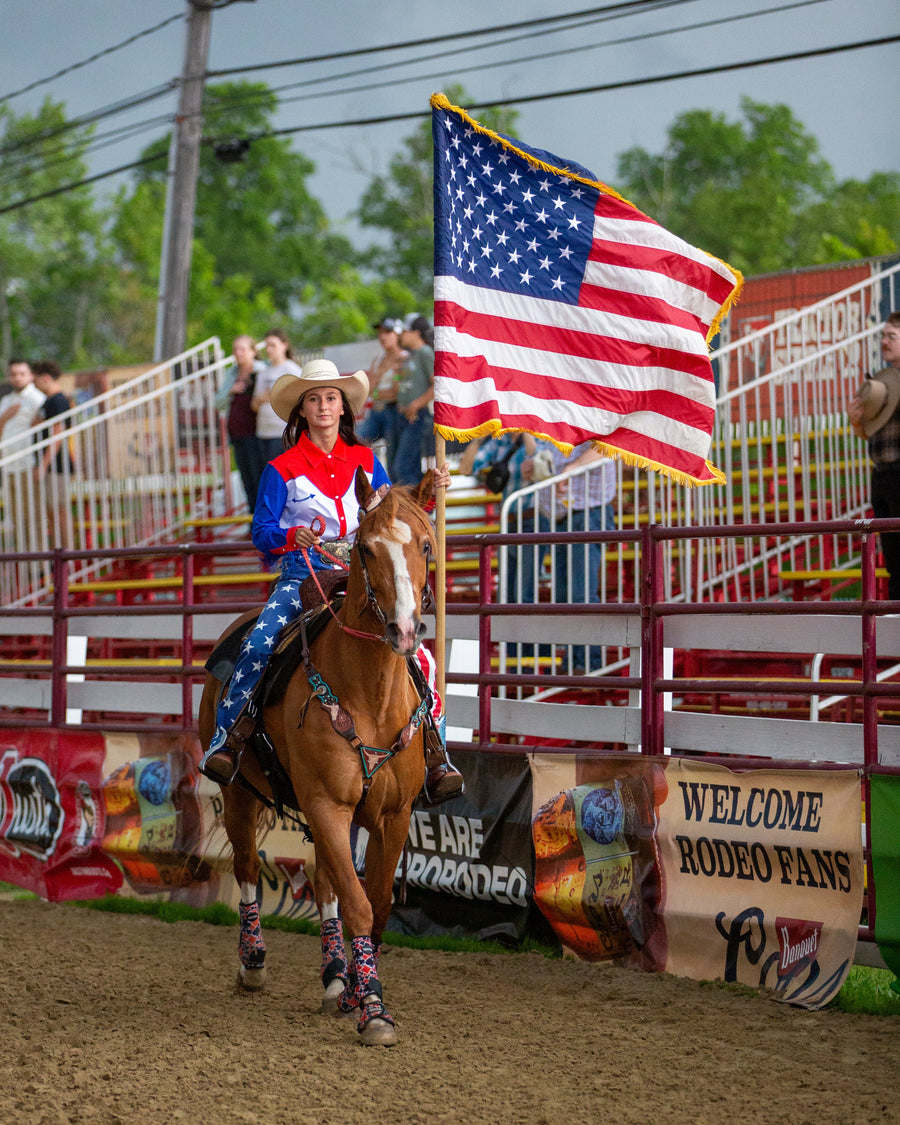
The first week of spring turnout can look like a rodeo, especially if horses are reintroduced or moved fields. High-intensity play is where sharp turns and quick stops stack the most leg load.
3) Treat footing like a training surface
Early spring pastures often switch between mud, hard pack, and hidden ruts. That inconsistency increases slip risk and changes how the limb loads with every stride.
4) Watch the 24 hour window
How your horse feels the next day tells you if the body is adapting or falling behind. If next-day movement is freer, you are building durability. If next-day movement is tighter, reduce intensity somewhere.
Support the recovery side of more movement
When turnout increases, recovery habits matter more, not less. The goal is not to chase soreness. The goal is to keep the body in a steady baseline while the workload changes.
If you want a guided path based on what you are seeing right now, start with the Solution Finder. For a simple routine you can keep all season, use the Prehabilitation page as the anchor. If you already know you want a daily topical lane, browse the liniment collection.
Educational support only. Follow label directions and your veterinarian’s guidance for injuries, lameness, or persistent swelling.