Real Rider Resource
Horse Can’t Hold a Canter? Why Horses Break Gait
If your horse can pick up the canter but drops back to trot, loses balance, rushes, or feels disorganized, the problem is usually not laziness. The canter is where strength, balance, coordination, fatigue, and comfort all get tested at once.
What riders usually notice
This pattern is frustrating because the horse may not refuse the canter. They may step into it, give you a few strides, then fall apart.
- The horse picks up the canter, then breaks to trot within a few strides.
- The canter feels rushed, flat, or unbalanced.
- The horse falls out of canter in corners.
- One lead is harder to maintain than the other.
- The horse starts okay, then breaks more often later in the ride.
- The transition happens, but the gait never feels organized.
That distinction matters. A horse that will not canter at all is one problem. A horse that canters but cannot stay there is a different one.
Why the canter exposes weak links
The canter asks more from the horse than simply moving faster. It requires the hind end to carry, the back to organize, the shoulders to stay free, and the body to balance through a three beat gait with suspension.
A horse can sometimes hide stiffness, weakness, or imbalance at the walk and trot. The canter gives those problems less room to hide. When the body cannot keep the gait organized, the horse usually does one of three things: rushes, breaks gait, or braces.
The most common reasons a horse breaks canter
1. Not enough strength
Some horses can step into canter but do not yet have the carrying strength to hold it. This often shows up as breaking within the first few strides, especially on circles or in corners.
2. Balance problems
If the horse falls in, leans, drifts, or loses straightness, the canter may collapse. The gait breaks because the body cannot stay organized under the rider.
3. Fatigue
A horse that starts well and fades later may be running out of physical capacity. Fatigue can make the canter shorter, flatter, heavier, or harder to maintain.
4. Low grade discomfort
Soreness, stiffness, hoof discomfort, tack pressure, or back tightness can all show up when the canter asks for more push, lift, and organization.
Pattern recognition matters
Do not judge the problem from one bad ride. Watch the repeat pattern. That is where the useful information is.
| What happens | What it may suggest |
|---|---|
| Breaks canter within a few strides every time | Strength, balance, discomfort, or confusion about the aid |
| Canters briefly, then fades as work continues | Fatigue, conditioning limits, or a weak link under load |
| Worse on one lead | Asymmetry, bend difficulty, hoof balance, or one sided soreness |
| Worse in corners | Balance, straightness, shoulder control, or hind end support |
| Improves after warm up | Startup stiffness or tightness that eases with movement |
| Gets worse during the ride | Fatigue, soreness building, hydration strain, or overload |
How this differs from canter refusal
If the horse pins ears, refuses the transition, kicks out, or will not step into canter, start with the canter reluctance pattern. If the horse does canter but cannot maintain it, this page is the cleaner fit.
The key question is simple: are you struggling to get the canter, or struggling to keep it?
What to check before you push harder
- Compare both leads. Is one clearly harder to sustain?
- Track how many strides the horse holds before breaking.
- Notice whether the break happens on straight lines, circles, or corners.
- Watch whether the horse rushes before breaking gait.
- Check for heat, swelling, filling, back sensitivity, girth reaction, or hoof tenderness.
- Look at tack fit and whether the saddle changes position during canter work.
- Note whether the horse recovers normally after short canter sets.
What not to do
Do not assume the horse is being difficult just because they break gait. More leg, more pressure, and longer canter sets can make the problem louder if the body is already struggling.
Short, clean efforts usually tell you more than forcing the horse to keep going. Build the canter in pieces. Reward organization. Then stop before the gait falls apart.
When it deserves more attention
A horse that suddenly cannot maintain canter, loses one lead, becomes irregular, stumbles, swaps behind, or gets progressively worse should be evaluated by a veterinarian or qualified professional.
Subtle does not mean harmless. It only means the horse is still trying to work through it.
Where routine support fits
Products do not diagnose canter problems. What a steady routine can do is help you remove noise from the picture. When prep, work, cooldown, and recovery are consistent, the movement pattern becomes easier to read.
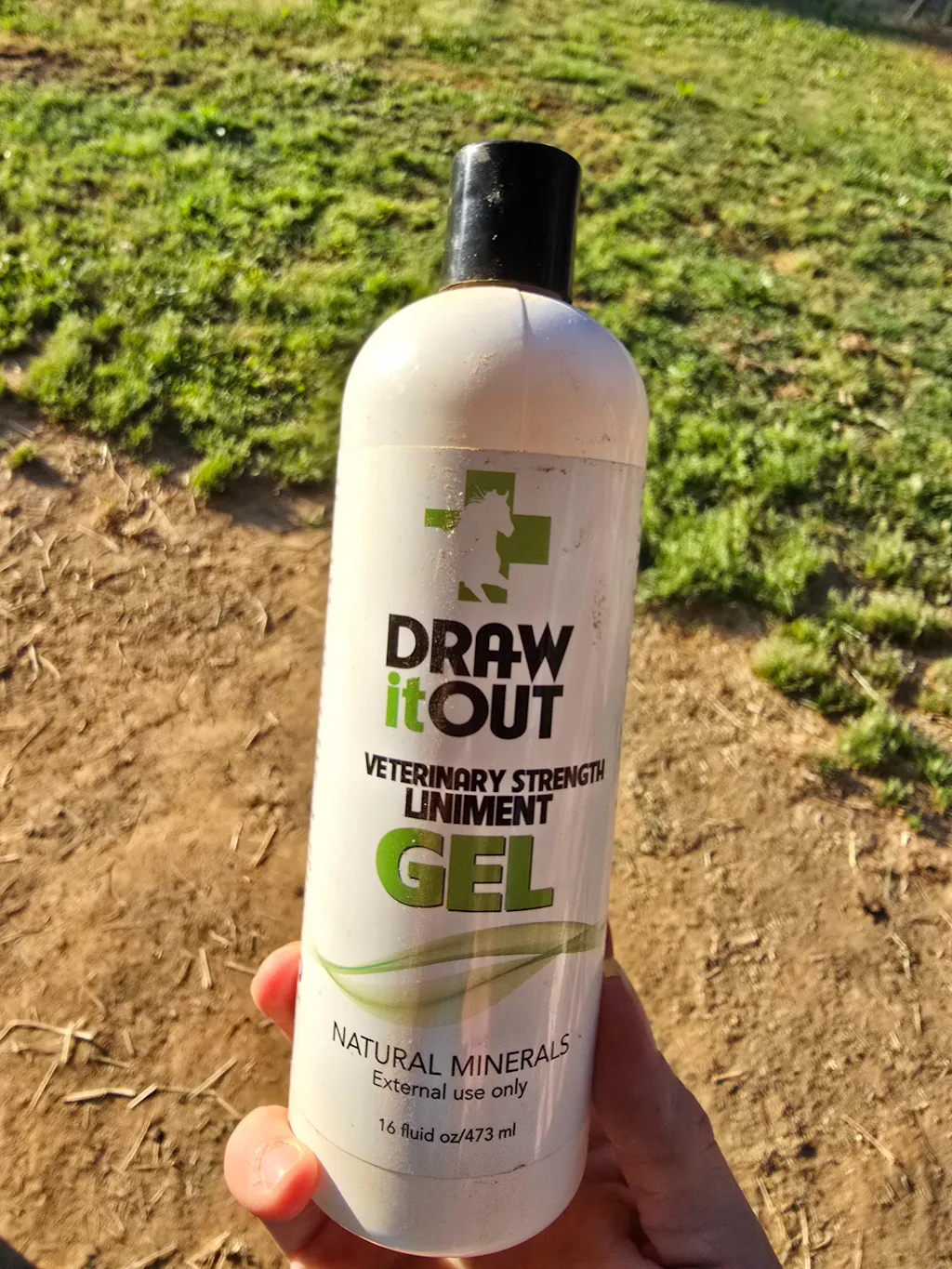
Riders often use a calm, repeatable routine around work days, especially when tracking stiffness, fatigue, or post ride changes. For targeted topical support, start with the Draw It Out® liniment collection. For a broader prevention-first routine, use the Prehabilitation guide. If you are not sure where to start, use the Solution Finder.
Build the canter. Do not demand it.
A sustainable canter comes from strength, balance, comfort, and recovery working together. Start with the pattern, then build the routine around what the horse is actually showing you.
FAQ
Why does my horse pick up the canter and then break gait?
The most common reasons are lack of strength, balance problems, fatigue, discomfort, or confusion about maintaining the gait. Watch when it happens and whether one lead is worse.
Is breaking canter always a training issue?
No. Training can be part of it, but a horse that repeatedly breaks canter may also be showing physical weakness, stiffness, soreness, poor balance, hoof discomfort, or tack related pressure.
Why does my horse break canter in corners?
Corners require more balance, bend, and hind end support. If the horse is falling in, leaning, or losing straightness, the canter may collapse back to trot.
Why is one canter lead harder to maintain?
A one sided problem can point to asymmetry, bend difficulty, hoof balance, weakness, or discomfort on one side of the body. Track the pattern across multiple rides.
Should I keep pushing my horse if they break canter?
Not blindly. Short, balanced canter sets are usually more useful than forcing duration. If the horse is losing organization, slow down, reset, and look for the reason.
When should I call the vet?
Call when the issue appears suddenly, worsens quickly, becomes clearly one sided, comes with heat or swelling, includes stumbling or irregular movement, or does not improve with sensible workload changes.
This article is for education only and does not replace examination, diagnosis, or treatment by a veterinarian or qualified professional.
Founder’s Note: I write about these topics because they come directly from conversations with real riders. The goal is clarity, fewer assumptions, and better outcomes for the horse.