

Jun 28, 2026
The Barn Habit That Saves More Rides Than Talent
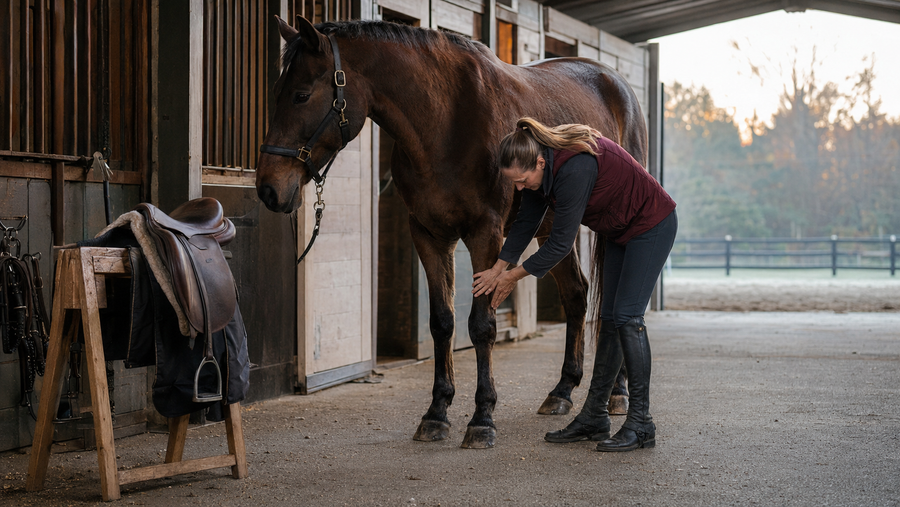
The barn habit that saves rides is noticing small changes before you climb on. Talent matters less when the rider ignores the obvious.

Real Rider Resource
Pinned ears are communication, not a complete diagnosis. The useful question is not simply, “Is this attitude?” It is, “What was happening when the ears pinned, what else changed, and is this normal for this horse?”
Quick answer: A horse may pin its ears to warn another horse away, guard feed or space, respond to pressure, show irritation, or signal fear or discomfort. If the behavior is new, stronger than usual, tied to saddling or movement, or paired with other changes, check the horse before treating it as a training problem.
One quick ear flick is different from both ears held tightly back while the jaw, eye, neck, tail, or whole body also changes. Read the ears as one part of the sentence. Context and the rest of the horse finish the meaning.
Barn next step
If pinned ears show up around saddling, grooming, mounting, transitions, or touch, check body comfort first. A topical support product is not a diagnosis and should not be used to cover up a red flag. After the cause has been addressed, Draw It Out® Gel can fit a normal body-care routine when soreness or post-work comfort is part of the picture.
The stocked 16oz two-pack is $52 and qualifies for free U.S. shipping. Keep one bottle at the barn and one in the trailer.
A horse may flatten its ears to tell a person or another horse to move away. This is common around personal space, herd rank, feed, or an interaction the horse wants to stop.
Pinned ears around touch, girthing, mounting, transitions, or a certain movement can be part of a larger discomfort pattern. It does not identify the cause by itself.
Some horses react before the uncomfortable part arrives because they have learned the sequence. Ears may pin when the saddle appears, before the girth is tightened, or when a person approaches a sensitive area.
A confused horse may feel trapped between pressure and an unclear answer. Look for a tight mouth, raised head, braced neck, rushing, freezing, tail swishing, or attempts to leave.
Before correcting the behavior, answer these four questions:

Pause and check saddle placement, pad condition, girth position, skin, withers, back, and the horse's response before and after tightening. Consider saddle fit, dental care, digestive discomfort, back soreness, and learned anticipation with the appropriate professional.
Look for a location-specific pattern. Check for heat, swelling, skin irritation, a wound, muscle guarding, or sensitivity. Stop if the horse becomes unsafe or the response is strong.
Notice whether the ears pin with mounting, a leg aid, rein contact, bending, collection, transitions, or one direction. Pair that observation with changes in rhythm, stride, head position, mouth, tail, or willingness.
This can be normal boundary communication or resource guarding. Increase hay and feeder spacing, reduce trapping points, and make sure lower-ranking horses have a safe way to leave and enough access to forage.

Call your veterinarian promptly when the change is acute, the horse may be injured or ill, colic is possible, movement is abnormal, or safety is deteriorating.
Ruling out discomfort does not mean accepting unsafe behavior. A horse can be physically comfortable and still crowd, threaten, guard resources, or use a response that has worked before. The fair order matters: protect people, investigate the trigger, correct management problems, then train the boundary with consistency.
If you are dealing with biting, striking, kicking, charging, or behavior beyond your skill level, bring in a qualified trainer. Good horsemanship is not proving you can win a fight. It is creating a clear answer without missing what the horse was trying to tell you.
No. Pinned ears can be warning communication, irritation, fear, resource guarding, anticipation, or discomfort. The timing, duration, repeatability, and other body-language changes determine how seriously to investigate a physical cause.
The horse may be reacting to pressure, poor tack fit, skin or back sensitivity, digestive discomfort, or anticipation from a previous experience. Because several causes can look similar, do not diagnose it from ear position alone.
Often it is a request for space or resource guarding. Increase feeding distance, provide multiple forage locations, prevent horses from being trapped, and watch whether every horse can eat safely.
Do not ignore a safety threat, but do not punish the ears without understanding the trigger. Move to safety, investigate health, tack, environment, and management, then train appropriate boundaries with a qualified professional when needed.
Build the right support path
If body comfort is part of the picture after red flags have been addressed, compare the options instead of guessing.
Educational support only. Ear position alone cannot diagnose pain, ulcers, dental disease, lameness, or a training problem. When the behavior is new, repeatable, escalating, or paired with other changes, involve your veterinarian and the appropriate equine professionals.
Conditioning works best when the horse gets time to adapt, not just more work to survive.
The barn habit that saves rides is noticing small changes before you climb on. Talent matters less when the rider ignores the obvious.
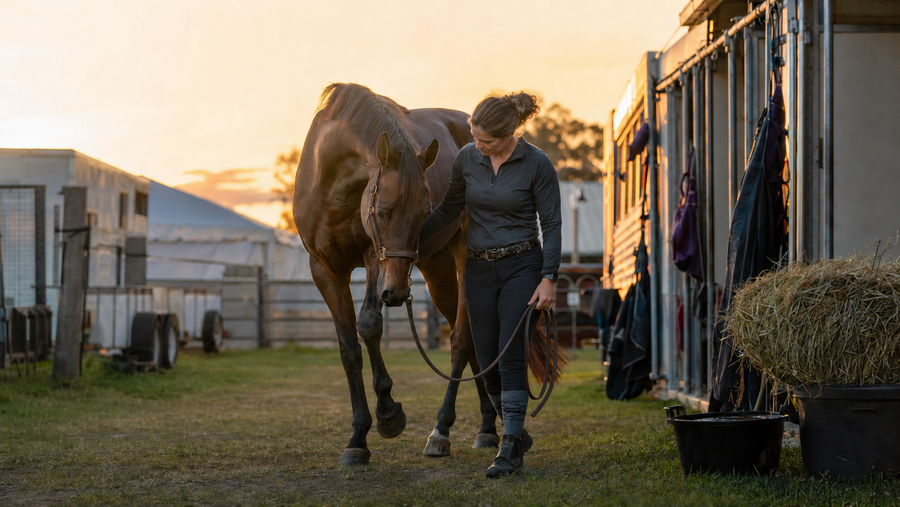
When a good horse gets sour, ask what changed in workload, tack, pain, turnout, rider pressure, environment, or expectations.
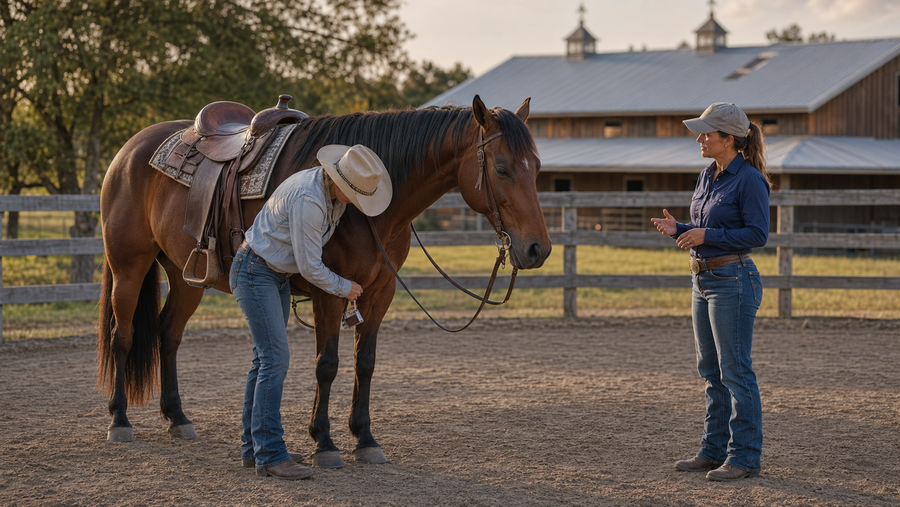
A Real Rider Resource article on recognizing when the horse is losing rhythm, confidence, softness, recovery, or willingness because the ...
Want a smarter way to handle soreness, heat, swelling, and post-ride leg care? Visit our Performance Recovery Hub for clear routines and product guidance.
Visit the Recovery Hub!