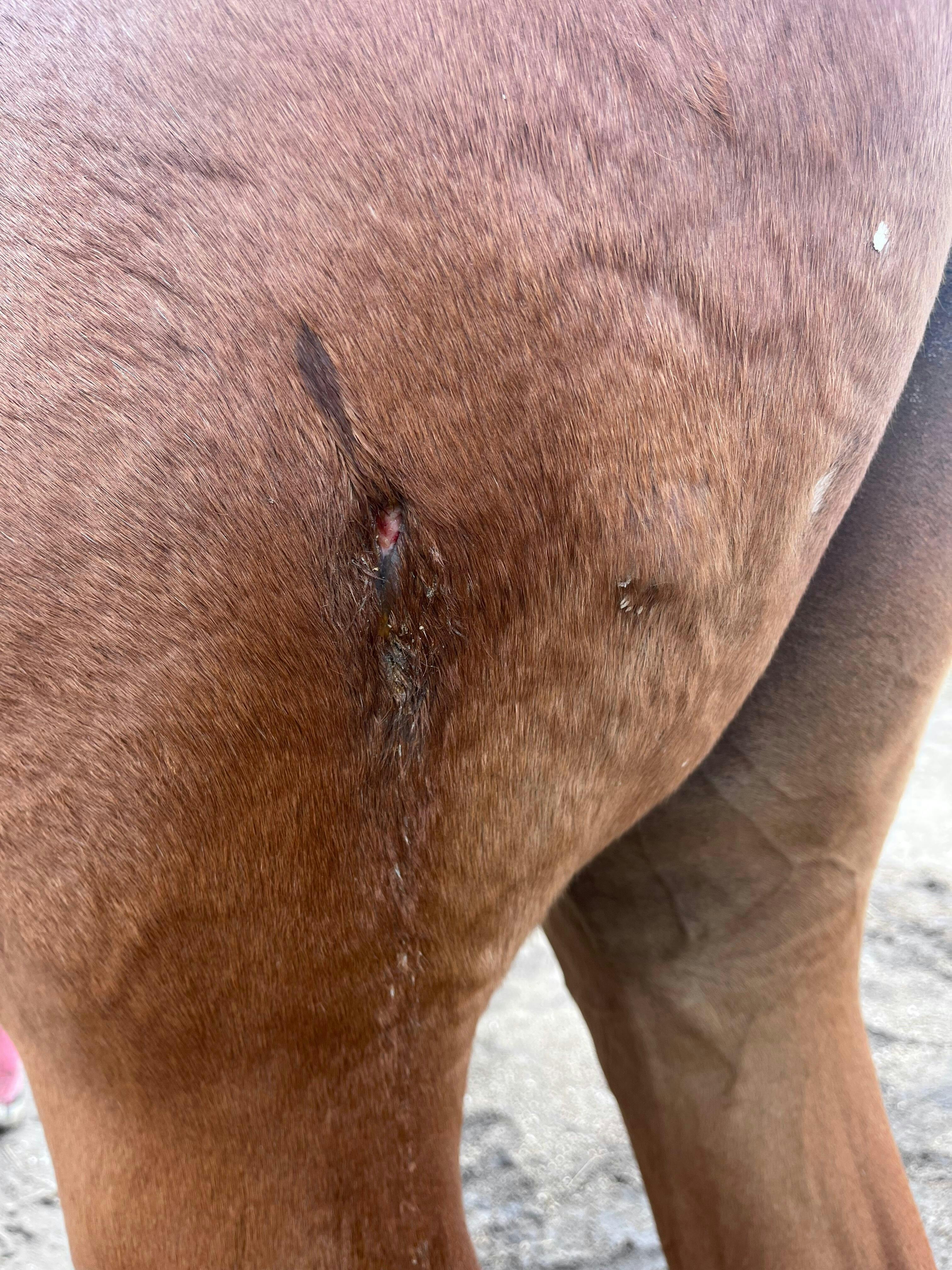
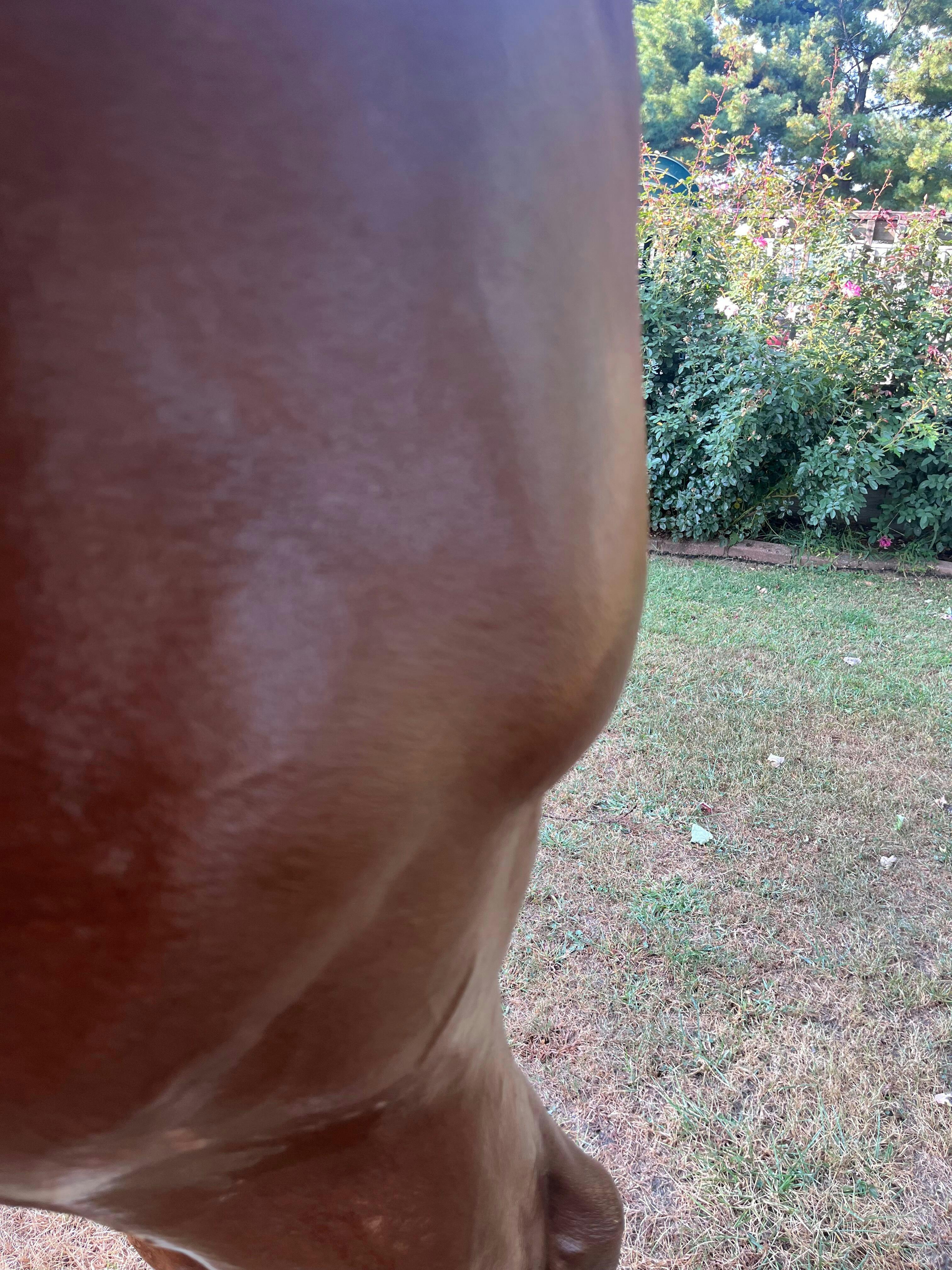
Kick Injury Guide 2026: Biosecure Prevention, Safe Response, and Calm Recoveries
Kicks are one of the most feared barn accidents. In 2026, the rise of EHV-1 prevention routines, stricter biosecurity expectations, and racing welfare conversations reshaped how riders respond. This guide blends safe handling, clean wound support, emotional reassurance, and community resilience shaped by real barns.
Why Kicks Happen (2026 Understanding)
Kicks come from stress, pain, dominance, fear, or simple miscommunication. In high-speed racing barns or crowded lesson programs, emotional pressure makes accidents more likely.
- Pain or discomfort from saddle fit, ulcers, hoof soreness
- Crowding or pressure in tight aisles or gates
- Startle reflex during noise spikes or sudden movement
- Hierarchy fights in turnout or new group dynamics
- Irritation from flies, sweat, or untreated skin issues
Modern Kick Prevention: What 2026 Riders Do
Handling Upgrades
- Approach angles that keep you visible
- Announce yourself with sound and touch
- Practice “no blind spots” grooming
- Desensitization routines with trusted trainers
Barn-System Fixes
- Fly control + airflow improvement
- Clear lane rules for passing
- Turnout pairing based on compatibility
- Staff refresh training every quarter
Safe Immediate Response
- Secure the area before touching anyone
- Separate horses safely and calmly
- Call your vet or medical professional immediately for severe injuries
- Basic first aid only until a vet evaluates
- Document the incident with notes, photos, timing
2026 Quarantine Kick Protocols
Quarantine kick injuries require both medical caution and biosecurity awareness. In an EHV-1 era, barns treat even superficial wounds with clean, isolated workflows.
- Dedicated tools for the quarantined horse only
- Separate handler PPE or handwashing between tasks
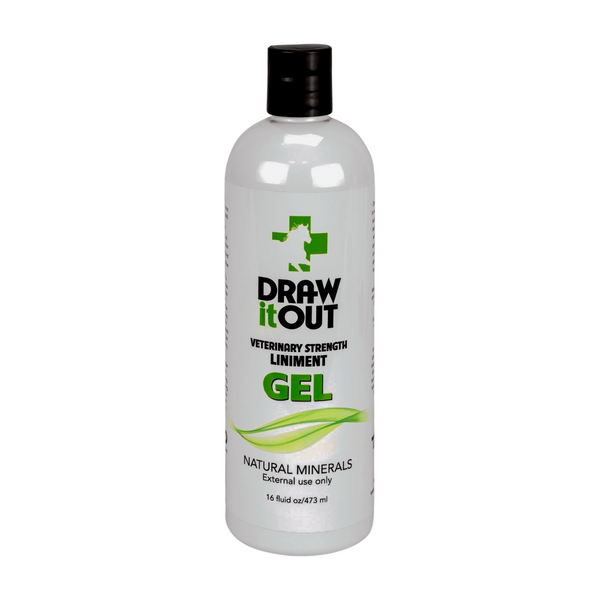
- Clean, scent-neutral wound support like Draw It Out® (low residue, no tingle, no agitation)
- Disposable wraps or strictly sanitized reusable ones
- Isolated treatment zone away from shared aisles
Calm horses heal better. Calm handlers prevent spread. Clean, sensation-free products help maintain both.
Clean Wound-Support Tools Riders Trust
Draw It Out® High Potency Gel
Sensation-free support for surrounding soft tissues. Clean, calm application that keeps horses settled during treatment.
Shop GelRESTOREaHORSE® (Non-open Wounds Only)
Botanical liqui-gel salve for skin comfort after abrasions swelling or mild irritation.
View RESTOREaHORSEInjury kits at dealers — vet-approved for quick response.
Share Your Barn Safety Stories
Your experience helps the next rider avoid disaster. Share how your barn prevents kicks, what you changed over time, or what you learned from close calls. Tribe wisdom saves horses and riders.
Kick Injury FAQ
Should I treat a kick wound immediately
Only basic cleaning until your vet directs otherwise. Some wounds close early and need medical evaluation first.
Can I use Draw It Out on open wounds
Use only as directed. Draw It Out® Gel supports surrounding soft tissue. Follow your vet’s wound-care plan for open injuries.
How do quarantines change kick treatment
Use dedicated tools PPE isolated zones and clean-care products to avoid spreading pathogens.
What prevents repeat kick incidents
Better lane flow turnout matching desensitization pain checks and staff refresh training every quarter.