Winter Saddle Fit Issues: Prevent Back Soreness & Resistance in Horses
Reading time: ~6 minutes • Season: Winter riding & tack management
Winter has a quiet way of changing things. Horses feel tighter. Warm-ups take longer. And suddenly a saddle that fit beautifully in October starts causing pinned ears, short strides, or resistance to bending.
In many cases, it’s not training. It’s not attitude. It’s winter saddle fit.
Why Saddle Fit Changes in Cold Weather
Cold temperatures affect muscle tone, posture, and movement patterns—especially along the topline. As muscles tighten and circulation slows:
- The back drops slightly during early warm-up
- Shoulders move differently as stride shortens
- Padding compresses unevenly in cold air
- Pressure points show up faster
Even a well-fitted saddle can feel unforgiving on a cold, tight back.
Early Signs of Winter Saddle Discomfort
- Hollowing or bracing at the walk
- Resistance to mounting
- Short, choppy trot steps
- Tail swishing or pinned ears
- Uneven sweat marks after riding
These signs often disappear once the back warms—but repeated pressure on cold tissue can create lasting soreness.
Step 1: Warm the Back Before the Saddle Goes On
Before tacking up, spend a few minutes grooming and massaging the topline. This encourages circulation and prepares the muscles to carry weight.
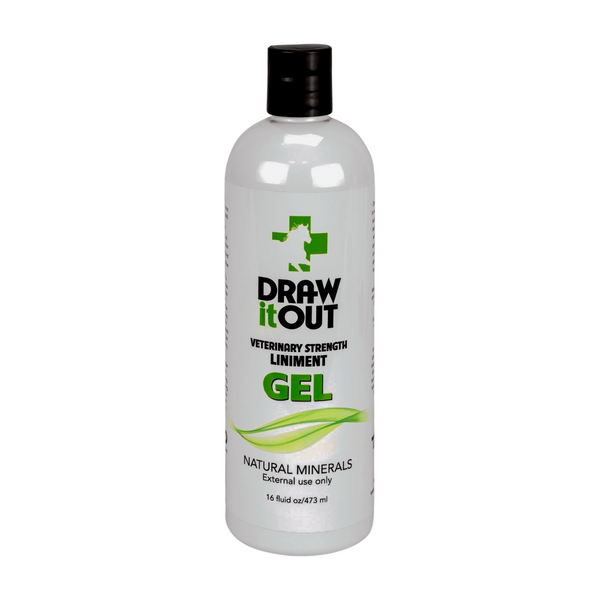
Apply a thin layer of Draw It Out® High Potency Gel along the lumbar area and behind the shoulder. The sensation-free formula supports circulation without heat—ideal for cold-weather backs.
Step 2: Walk Before You Tighten the Girth
Once the saddle is placed, walk your horse for 2–3 minutes before fully tightening the girth. This allows the back to lift and muscles to engage naturally under the saddle.
Many winter resistance issues disappear with this simple habit alone.
Step 3: Support Deep Back & SI Tissue
Horses with past injuries, long show seasons, or heavy winter coats often carry tension deep in the lumbar and SI region.
Massage MasterMudd™ EquiBrace into the lower back, glutes, and hamstrings before or after riding. This supports deeper tissue comfort and helps prevent recurring soreness.
Step 4: Extend the Warm-Up—Not the Pressure
Winter rides should prioritize time, not intensity.
- Long-rein walking
- Large bending lines
- Gradual transitions
- Delayed collection
A warm back fills out under the saddle—reducing pressure and improving fit naturally.
Step 5: Post-Ride Back Care Protects Tomorrow’s Ride
Cold air tightens muscles quickly after work. Always walk out thoroughly, then reapply Draw It Out® Gel to the topline to support recovery.
Consistent post-ride care keeps winter soreness from stacking day after day.
Winter Back & Saddle Comfort Kit
- Draw It Out® High Potency Gel
- MasterMudd™ EquiBrace
- Hydro‑Lyte® with GastroCell®
- Visit the Wisdom Library
Daily horse‑care insight for real riders inside the Draw It Out® Wisdom Library.