Daily recovery
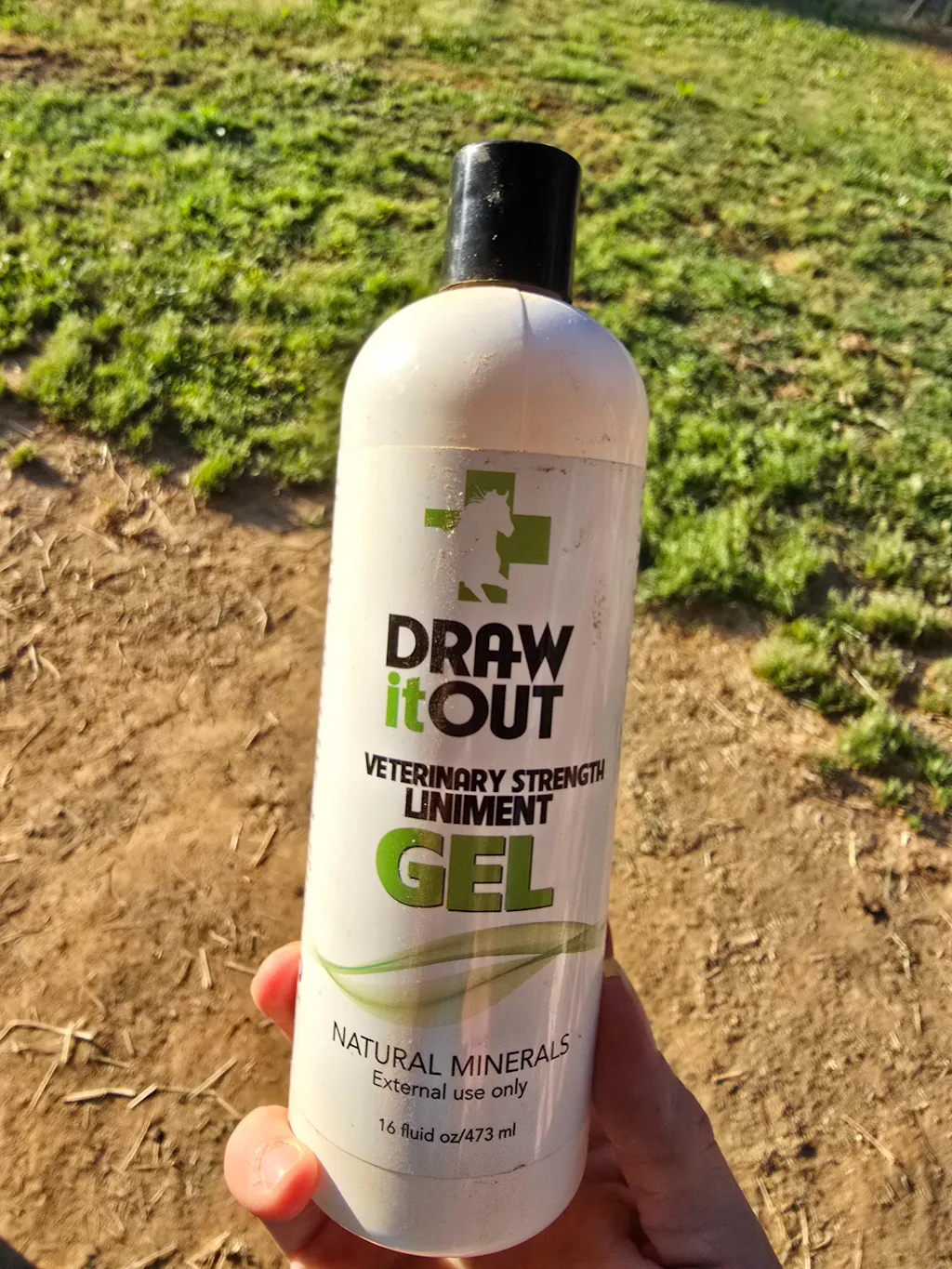
Liniment Gels
Explore the Draw It Out® liniment gel lineup for everyday use, post-work routines, and targeted recovery support.
Shop liniment gels
Seasonal horse care
Warm afternoons that feel like spring, followed by freezing nights, can make horses feel different day to day. Not injured. Not lame. Just tighter. Here is how to ride and manage recovery through late winter weather mood swings.

Speakable summary
False spring temperature swings ask soft tissue to warm up and tighten back down over and over. Keep work steady, extend warm ups, and prioritize post ride recovery so your horse stays elastic instead of reactive.
Late winter is famous for mixed signals. A few warm days invite longer rides and bigger plans. Then the cold returns, and the same horse that felt loose on Tuesday feels guarded on Thursday.
This is not weakness. It is tissue responding to instability. Warmth supports circulation and elasticity. Cold shifts the system back toward protection. When that cycle repeats quickly, the body spends more time adapting and less time settling.
False spring is when barns accidentally spike workload. Warm afternoons create urgency. Riders stretch sessions, add intensity, or tighten timelines. Then the temperature drops again and connective tissue that briefly loosened is asked to tighten back down under the same workload.
Goal for this window: protect elasticity, not chase fitness. Your horse will build more useful readiness from steady, repeatable work than from bursts of effort that the weather punishes the next day.
If nights are freezing, tissues still start the day on the tighter side, even if the afternoon is pleasant. Give extra time to forward, relaxed movement before asking for collection or harder transitions.
The safest progress in this season is gradual. Keep sessions consistent, and make increases in time or intensity in small steps. When the temperature swings sharply, shorten just a bit and keep the rhythm the same.
False spring problems often show up after the horse cools out overnight. Use the next morning as your feedback loop. If stiffness is increasing, you are not failing. You are getting information early, which is the whole point of smart management.
Warm then cold days change how horses cool out. What felt like an easy ride can leave a horse a touch reactive the next morning if recovery is rushed.
This is where many riders lean on a calm daily routine, especially when legs and soft tissue are doing extra work just to keep up with the environment. If you want a guided way to match routines to the season, these pages are the clean starting points:
Solution Finder for routine matching based on what you are seeing right now, Prehabilitation for proactive daily habits that keep horses steady, and the liniment collection to understand formats and when riders use each one.
Horses handle false spring best when routines stay predictable. Do not overcorrect to every warm spell. Do not panic at every cold snap. Keep the work steady, protect warm up time, and support recovery so the horse stays adaptable.
When spring finally sticks, horses that were managed with calm consistency usually step into bigger work with fewer mystery tight days and less friction in the warm up.
Yes. Rapid temperature changes can make soft tissue feel different day to day. Treat it as a management signal. Keep warm ups generous, keep the workload steady, and use the next morning as your recovery checkpoint.
If the horse loosens with a long, relaxed warm up, that is useful information. Still, avoid jumping straight into harder work. Build the ride in layers so tissue can adapt without getting defensive.
Letting a couple warm days trigger a big workload jump. Consistency beats intensity in this season. Small progress holds. Big spikes often create next day tightness when the cold returns.
Weather tightness usually changes with warm up and varies with cold snaps. If you see one sided issues, heat, swelling, a sudden change in gait, or persistent soreness that does not improve, bring in your vet or bodywork pro to rule out a specific problem.
Note: This is general horsemanship education and not veterinary advice. If anything looks abnormal or escalates quickly, involve your veterinarian.
This article gives you the background. If you are ready to put the idea into a real horse care routine, these are the next places most riders should go.
Explore the Draw It Out® liniment gel lineup for everyday use, post-work routines, and targeted recovery support.
Shop liniment gelsMatch your horse’s workload, age, routine, and care goals to the Draw It Out® products that make the most sense.
Use the finderLearn how riders support soundness, comfort, and consistency before little issues become bigger problems.
Read the guideReal Barn Proof
Real riders. Real horses. Real routines. These clips rotate automatically so the proof stays fresh without weighing the page down with a long feed.
Why this matters: good horse care should make sense outside the ad. These clips show the kind of everyday use that builds trust one barn at a time.
Further Reading
Horse care works better when the next step is clear. These related reads help connect today’s topic to better daily decisions in the barn.
Jun 08, 2026
Citraquin® is built for riders who want a naturally derived environmental defense spray with a practical barn routine. Here is how to choose.
Read article
Jun 06, 2026
Hot weather, harder ground, hauling, and long ride days can leave horses needing a smarter post-ride routine. Here is a practical approach to ...
Read article
Jun 05, 2026
A practical horse health guide for checking heat, swelling, digital pulse, feet, movement, and recovery response after riding on hard ground.
Read articleStart with the principle, then build the habit. The right article should make the next barn decision easier, not more complicated.
Next Step
Simple care guides, practical product paths, and rider-trusted tools built for real horses and real routines.
Good care gets easier when the next step is obvious. Read the guide, match the routine, then choose the format that fits how your barn actually works.
Recovery Routine
Want a smarter way to think through post-ride care, heat, swelling, leg support, and daily recovery decisions? Start with the Performance Recovery Hub.
Better recovery starts with a repeatable routine. The hub gives riders a clearer path from workload to product format to aftercare timing.
Rider Favorites
Four core Draw It Out® staples riders keep close for daily recovery routines, wash rack use, targeted support, and quick barn-side care.
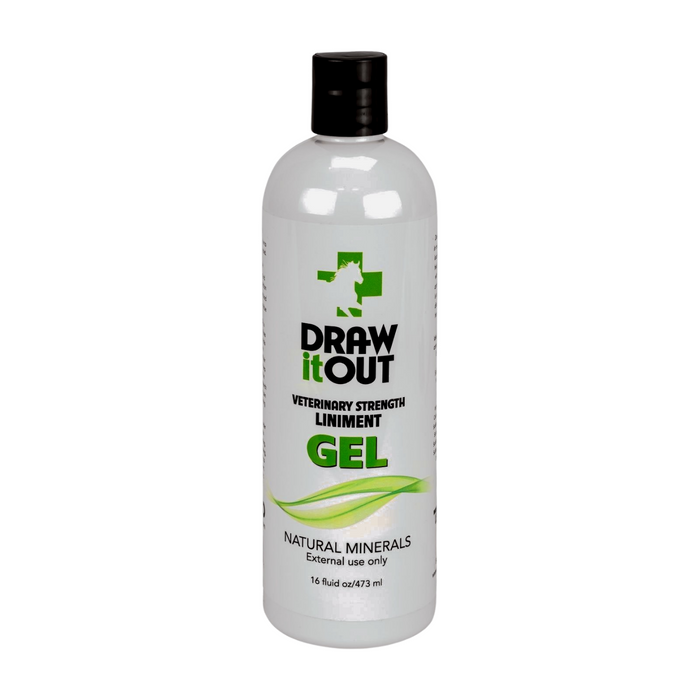
Stay-Put Gel
The everyday liniment gel format riders reach for when they want targeted, no-mess application.
View product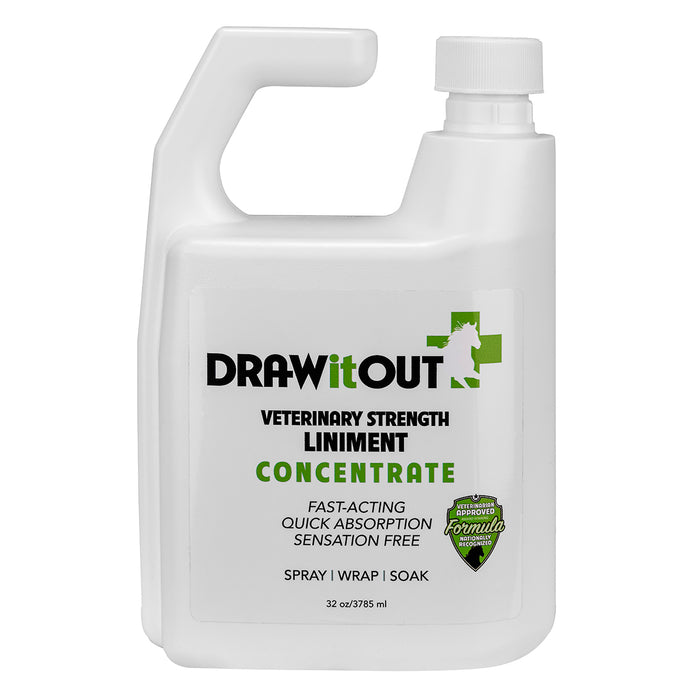
Mix Your Way
A flexible concentrate for riders who want to mix their own routine around workload and barn needs.
View product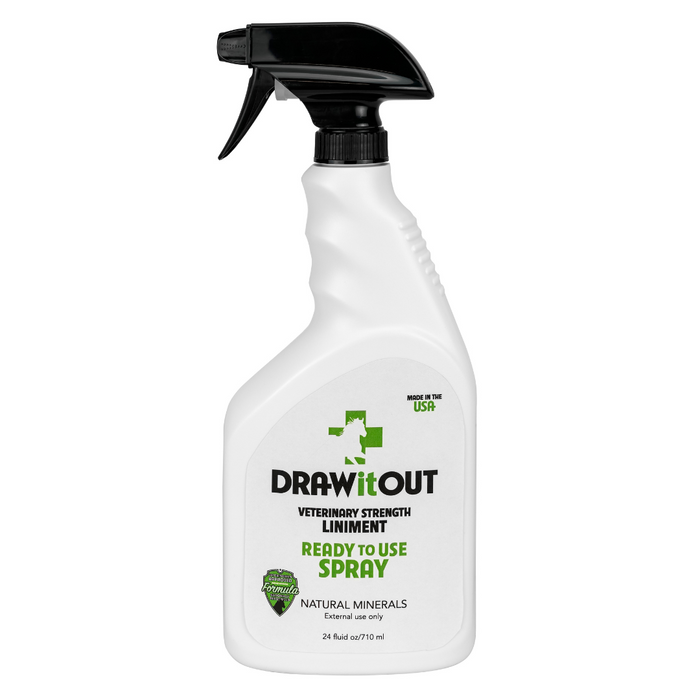
Ready To Use
A ready-to-use spray format for quick application after work, travel, turnout, or daily care.
View product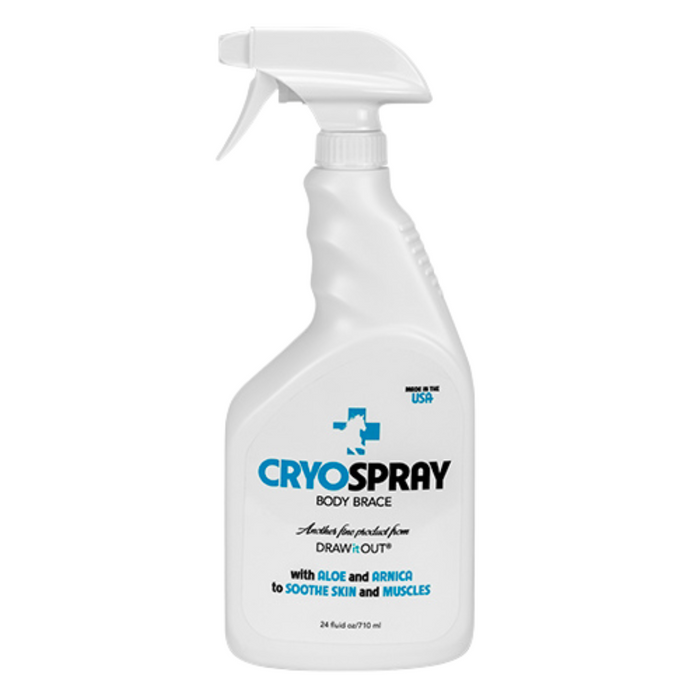
Cooling Brace
A cooling body brace spray for riders who want a fast, practical option after hard work or hot days.
View productFormat matters. Gel, concentrate, ready-to-use spray, and cooling spray each solve a different barn problem. Pick the one your routine will actually use.
!