


Daily recovery
Liniment Gels
Explore the Draw It Out® liniment gel lineup for everyday use, post-work routines, and targeted recovery support.
Shop liniment gels
Fly season rarely fails because riders do not try hard enough. It fails because everything feels reactive.
More spray. More frustration. No lasting relief.
This 14 day fly season reset gives riders a simple framework to slow the chaos, reduce fly pressure, and rebuild calm routines.
Flies thrive in patterns. Breaking those patterns takes time, not intensity.
This reset focuses on consistency, environment, and smarter horse fly spray use rather than escalation.
The goal is steady improvement, not overnight perfection.
The first three days focus on lowering fly pressure at the source.
These steps immediately reduce breeding opportunities.
With pressure beginning to drop, introduce consistency.
Horses begin to anticipate less and tolerate routines more.
As fly pressure drops, resist the urge to spray more.
This phase builds awareness instead of reaction.
The final days focus on maintaining gains.
By day fourteen, most riders notice calmer horses and fewer flies.
This reset lowers baseline fly pressure instead of chasing symptoms. That makes fly spray more effective and routines easier to maintain.
When systems stabilize, fly season stops dominating every interaction.
Riders often use Citraquin as their fly spray during this reset because it supports consistent daily use without escalating irritation.
The goal is steady reduction, not constant reapplication.
If fly season feels out of control, pause and reset. Calm systems outperform stronger products.
Fly season does not require escalation. It requires structure.
Fourteen days of consistent habits can change the rest of the season.
Yes. Reducing breeding areas and creating consistent routines lowers fly pressure over time rather than chasing it daily.
Use fly spray your horse tolerates consistently. Harsh products often disrupt routines during a reset.
Reassess environmental factors first. Most ongoing issues trace back to moisture or organic buildup.
This article gives you the background. If you are ready to put the idea into a real horse care routine, these are the next places most riders should go.
Explore the Draw It Out® liniment gel lineup for everyday use, post-work routines, and targeted recovery support.
Shop liniment gelsMatch your horse’s workload, age, routine, and care goals to the Draw It Out® products that make the most sense.
Use the finderLearn how riders support soundness, comfort, and consistency before little issues become bigger problems.
Read the guideReal Barn Proof
Real riders. Real horses. Real routines. These clips rotate automatically so the proof stays fresh without weighing the page down with a long feed.
Why this matters: good horse care should make sense outside the ad. These clips show the kind of everyday use that builds trust one barn at a time.
Further Reading
Horse care works better when the next step is clear. These related reads help connect today’s topic to better daily decisions in the barn.
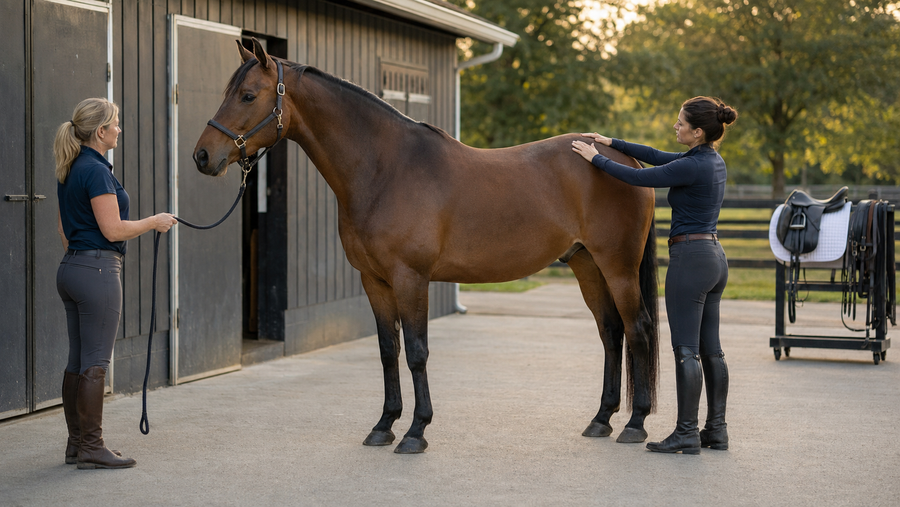
Jul 12, 2026
A practical rider-first guide to lower back tightness after canter work: what to check in the saddle, loin, hind end, footing, transitions, re...
Read article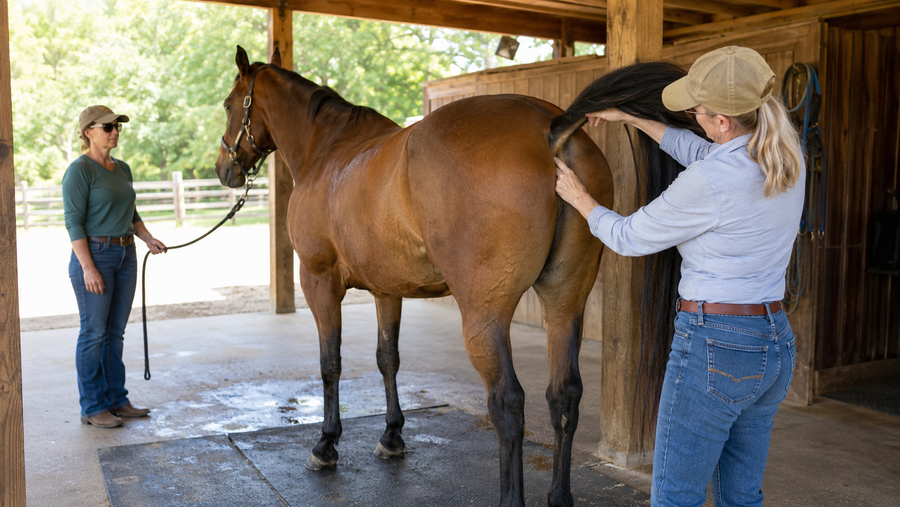
Jul 11, 2026
A practical horse-health guide to tail rubbing in hot weather, covering skin, insects, sweat, gear, parasites, hygiene, and veterinary red flags.
Read article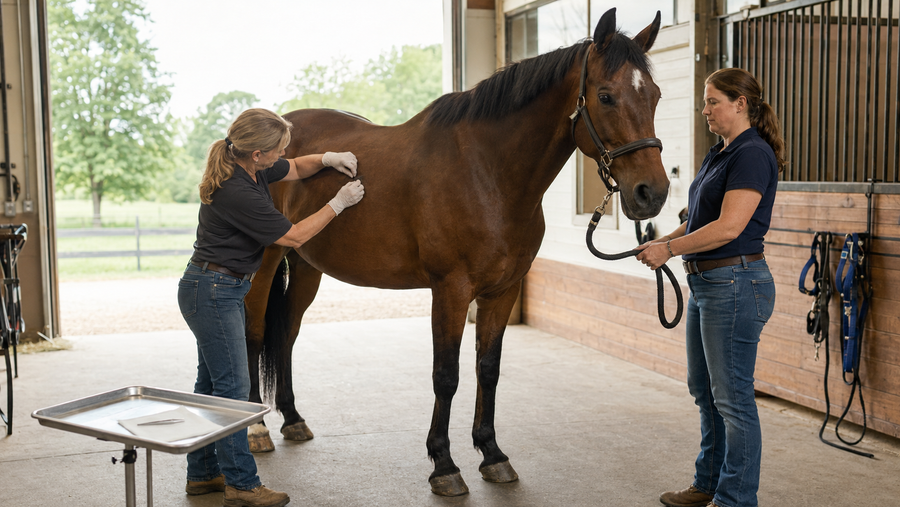
Jul 11, 2026
Found a tick on your horse? Inspect the site, remove it safely when appropriate, record the exposure, watch red flags, and know where Citraqui...
Read articleStart with the principle, then build the habit. The right article should make the next barn decision easier, not more complicated.
Next Step
Simple care guides, practical product paths, and rider-trusted tools built for real horses and real routines.
Good care gets easier when the next step is obvious. Read the guide, match the routine, then choose the format that fits how your barn actually works.
Recovery Routine
Want a smarter way to think through post-ride care, heat, swelling, leg support, and daily recovery decisions? Start with the Performance Recovery Hub.
Better recovery starts with a repeatable routine. The hub gives riders a clearer path from workload to product format to aftercare timing.
Rider Favorites
Four core Draw It Out® staples riders keep close for daily recovery routines, wash rack use, targeted support, and quick barn-side care.
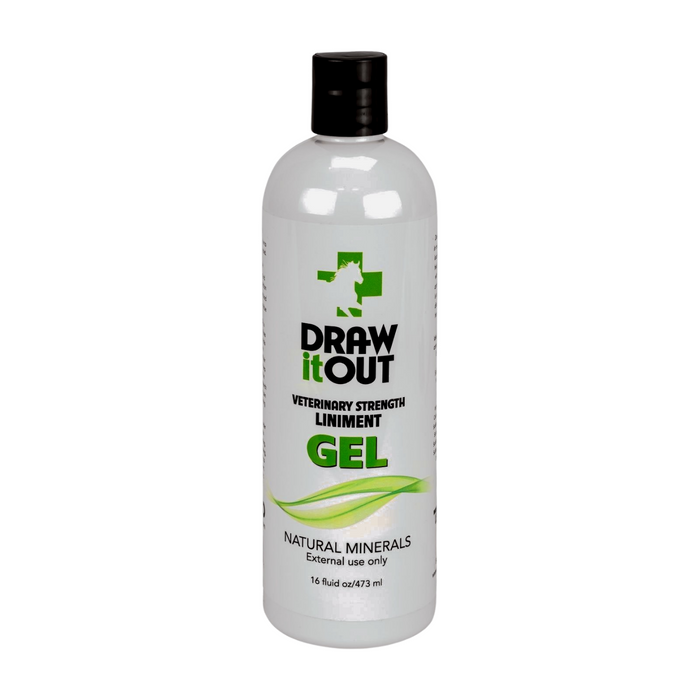
Stay-Put Gel
The everyday liniment gel format riders reach for when they want targeted, no-mess application.
View product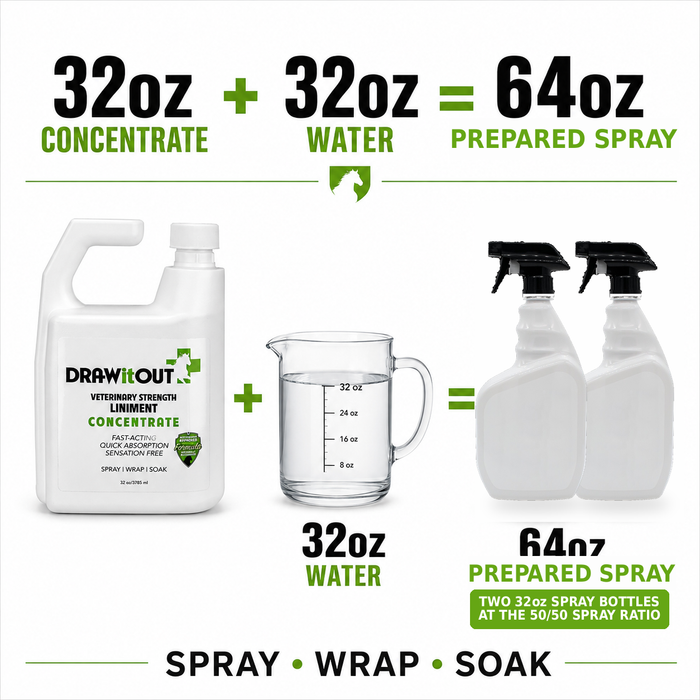
Mix Your Way
A flexible concentrate for riders who want to mix their own routine around workload and barn needs.
View product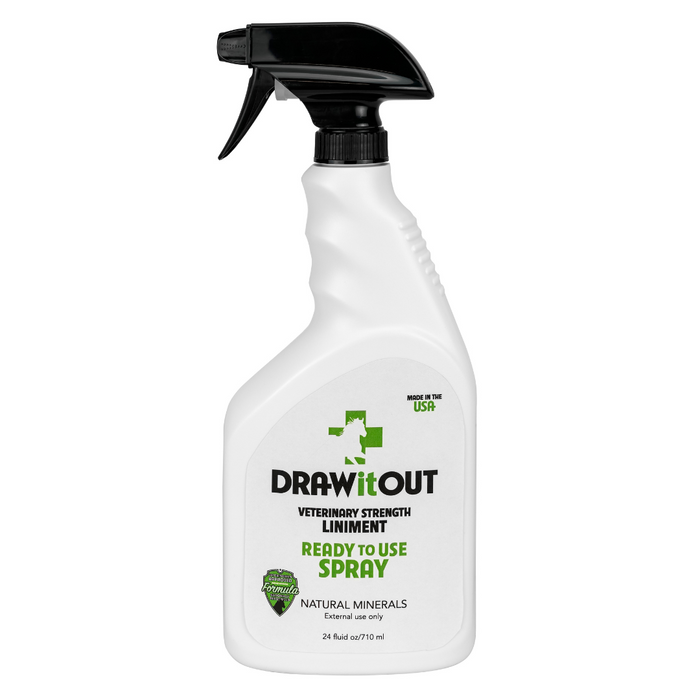
Ready To Use
A ready-to-use spray format for quick application after work, travel, turnout, or daily care.
View product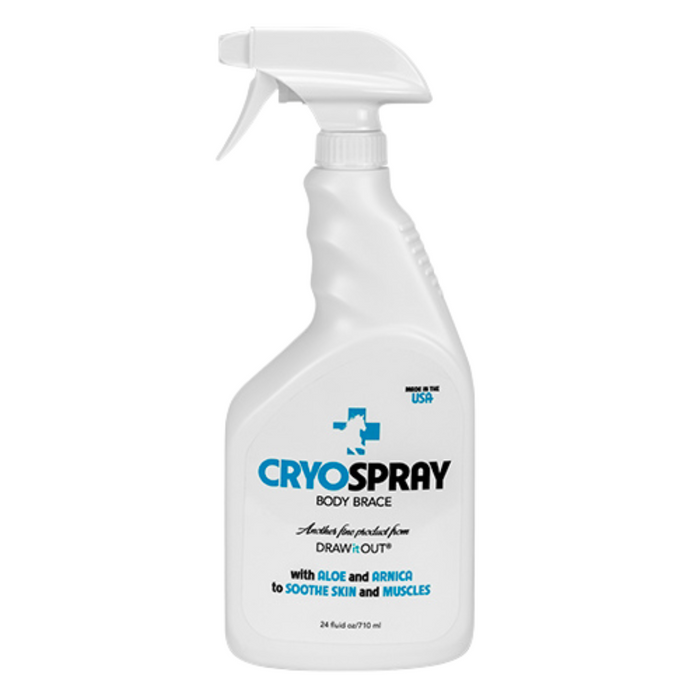
Cooling Brace
A cooling body brace spray for riders who want a fast, practical option after hard work or hot days.
View productFormat matters. Gel, concentrate, ready-to-use spray, and cooling spray each solve a different barn problem. Pick the one your routine will actually use.
!