Signs That a Horse is Overworked: Recognizing Red Flags for Equine Health

Signs That a Horse is Overworked: Recognizing Red Flags for Equine Health

Equine Wellness

Identifying Signs That a Horse is Overworked

Behavioral, physical, and performance indicators every equestrian should know—plus soothing care support trusted by equine professionals.

Behavioral Changes

Irritability, restlessness, aggression, or withdrawal are red flags. Horses may lose responsiveness to cues or show disinterest in surroundings, signaling mental fatigue. Rotate training with varied, low-stress activities to protect their mindset.

Physical Fatigue

Excessive sweating, heavy breathing, prolonged recovery, tremors, or stiffness suggest overwork. Build conditioning gradually, provide cool-downs, and allow time off. Veterinary checkups help catch strain early.

Weight Loss & Poor Body Condition

Overworked horses often lose condition—visible ribs, muscle loss, reduced appetite. Ensure balanced nutrition, hydration, and electrolytes. Consult an equine nutritionist for workload-specific diet planning.

Lameness & Abnormal Gait

Overstress can cause joint/tendon inflammation and gait changes. Uneven strides, stiffness, or reluctance to bear weight need vet evaluation. Regular farrier care prevents imbalance-related strain.

Behavioral Changes Under Saddle

Resistance, bucking, or refusing tasks may mean discomfort or tack fit issues. Ensure saddles/bridles fit correctly and assess rider balance. Pain-free horses are willing partners.


Soothing Care: ShowBarn Secret® Soothing Horse Shampoo

Gentle & Nurturing

SLS-free formula cleans without stripping oils, maintaining skin and coat balance.

Soothing & Calming

Lavender infusion provides natural aromatherapy, easing stress during bath time.

Enhanced Coat Health

Removes dirt and sweat buildup while preserving coat shine and texture.

Moisturizing & Hydrating

Locks in hydration to prevent dryness, leaving a supple, nourished coat.

Shop ShowBarn Secret® Shampoo


FAQ: Overworked Horses

How do I know if my horse is overworked?

Look for sudden behavioral changes, excessive fatigue, weight loss, or reluctance under saddle. If these appear, scale back work and consult your veterinarian.

Can overworking cause permanent damage?

Yes. Chronic overwork can lead to tendon/joint injuries and mental stress. Early intervention and proper rest prevent long-term issues.

How much rest should a horse get?

Rest depends on age, fitness, and workload. Generally, horses need rest days built into training schedules and downtime after strenuous work.

What grooming helps an overworked horse recover?

Use soothing products like ShowBarn Secret® Shampoo to reduce skin irritation and support relaxation during grooming.


Conclusion

Recognizing overwork—behavioral, physical, or under saddle—keeps horses safe. By balancing workload with rest, nutrition, and proper care, you protect health and build trust. Products like ShowBarn Secret® Shampoo add gentle support to your wellness routine.


Leave a comment

Please note, comments need to be approved before they are published.

Frequently Asked Questions
Readers Also Asked
Topic Analysis: Muscles
Moderate match · Score 5
Muscle soreness and workload stress are key themes. These products help keep muscles soft, ready, and ride-able. The aim is simple: help you Elevate Every Ride with Deep Relief in Every Drop, using modern performance that still feels calm and show-safe.
Detected keywords
muscle, strain, recovery, workload, fatigue
Recommended Relief for This Topic

Keep your barn dialed in

Simple, rider-trusted tips and tools.

Build a Complete Recovery Routine

Want a smarter way to handle soreness, heat, swelling, and post-ride leg care? Visit our Performance Recovery Hub for clear routines and product guidance.

Visit the Recovery Hub

Rider Favorites—Always in the Kit

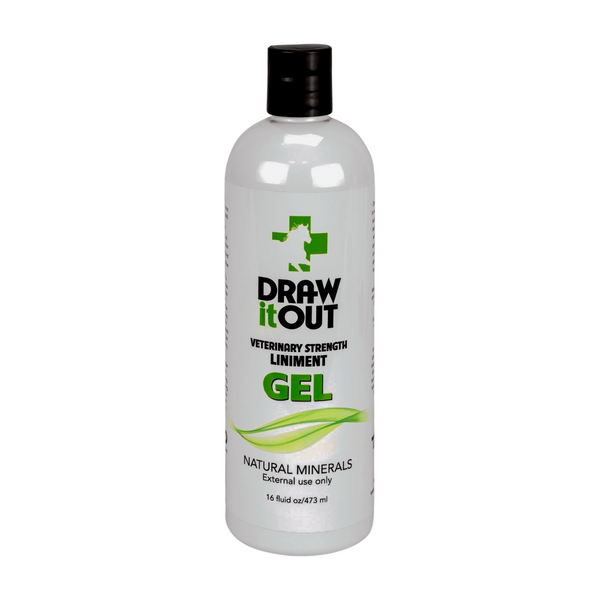
Four core Draw It Out® staples riders reach for daily.

Ready to Help Your Horse Feel Better?
Shop Trusted Relief