In winter, riders often assume their horses are safe from dehydration and electrolyte loss simply because sweat is less visible. But this is the season where hydration issues quietly cause the most musculoskeletal problems. When hydration falls, muscle fibers lose suppleness and nerve signals slow, creating the perfect environment for tension, fatigue, and early-season soreness.
Hydration is not a summer-only priority. It is the first line of musculoskeletal defense all year, but especially in winter.
1. Muscles Cannot Function Without Adequate Electrolytes
Electrolytes control the electrical signals that tell muscle fibers to contract and relax. When electrolyte levels drop:
- Muscles fire inconsistently
- Fatigue appears sooner
- Strain and tightness accumulate faster
- Warm-ups take longer and feel “sticky”
Even mild dehydration reduces muscle elasticity and increases the risk of small, repetitive-use strains that add up over time.
2. Winter Water Intake Drops—Far More Than Riders Realize
Horses naturally reduce water consumption in cold weather. Factors include:
- Cooling of bucket water
- Less sweat-driven thirst response
- Shorter turnout periods
- Reduced natural movement
This doesn’t just affect hydration—it affects every stage of muscle function.
3. Electrolyte Loss Still Happens in Winter
Even without visible sweat, horses lose electrolytes through:
- Respiration (cold air increases moisture loss)
- Urine output
- Micro-sweating under blankets
- Training sessions
- Stress and cold-weather travel
Most riders remove electrolytes when the weather cools—right when the body needs them to maintain clean muscle function.
4. Why Hydro-Lyte® Is a Winter Essential
Hydro-Lyte® isn’t about replacing sweat after a hot day. It’s about:
- Keeping muscle fibers hydrated and elastic
- Maintaining clean nerve signaling
- Preventing fatigue-related microtightness
- Supporting digestion and gastric stability
This is where preventive care shows its value. A horse that stays hydrated in December is a horse that stays sound in March.
The Takeaway: Winter Hydration Determines Spring Soundness
Every musculoskeletal benefit riders want in 2026—better stride length, cleaner transitions, more power, fewer “mystery soreness days”—starts with hydration. Muscles cannot function without it. Electrolyte balance is not accessory care. It is foundational.
Keep Your Horse Ready for 2026
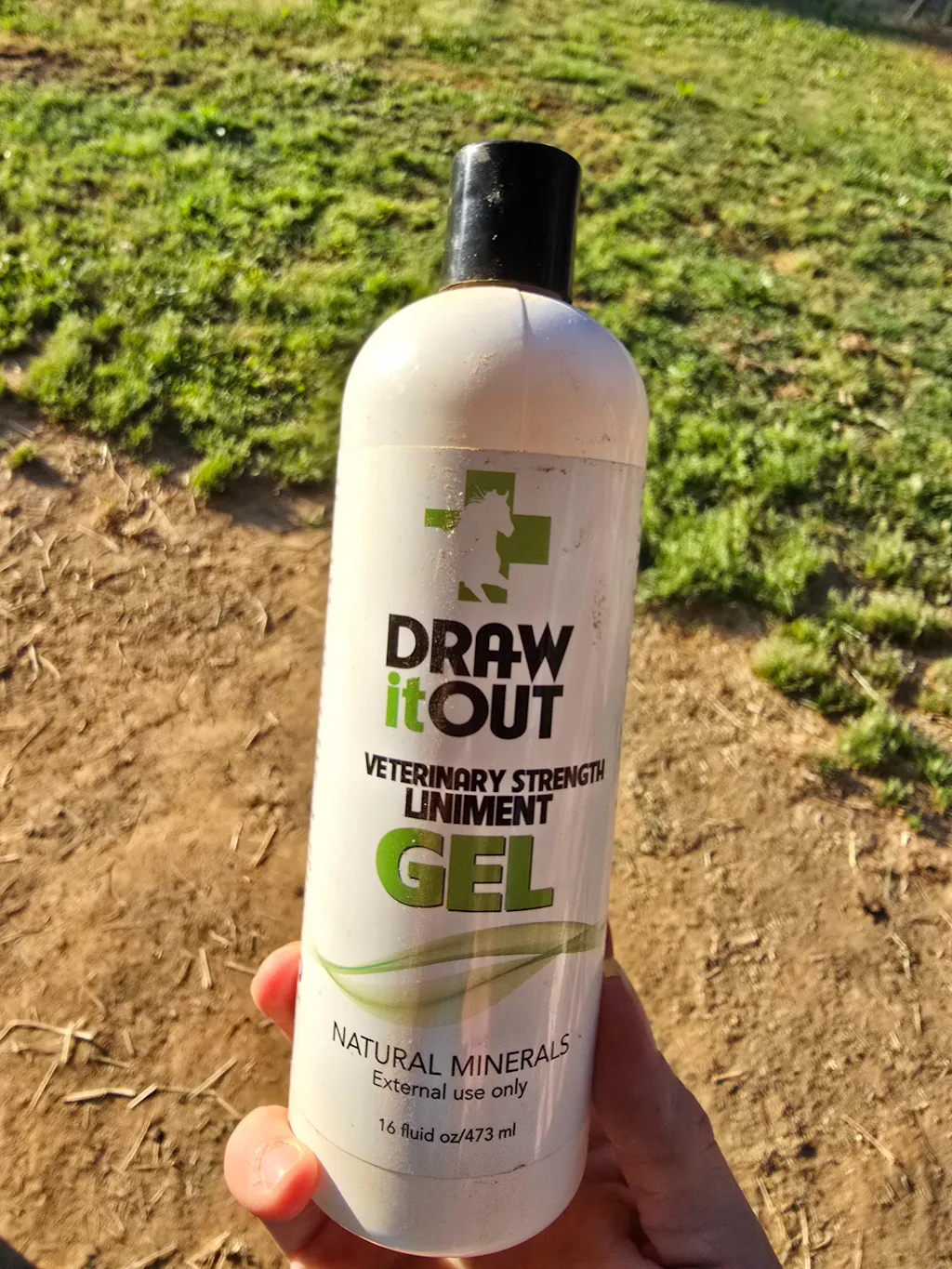
The Draw It Out® Prehab Collection supports hydration, muscle comfort, and daily recovery — the foundation of long-term soundness.
Explore the Prehab CollectionOr download the full 2026 Preventive Health Report:
Download PDF