Deciphering Discomfort in 2026
Horses rarely scream for help. They whisper through expression, posture, hesitation, or the kind of “off” behavior only a tuned-in rider notices. With new AI tools, updated neurologic research, and the rise of EHV-1 awareness, 2026 is redefining how barns track pain early and protect their horses better.
The Face of Pain: What Horses Show Before They Break Down
Riders have always watched eyes, ears, and tension around the muzzle, but 2026 research is sharpening the picture. Subtle cues often appear before an obvious lameness:
- Tightening through the muzzle
- Lip twitching or compressed corners
- Triangular or worried eye shape
- Asymmetric ear set
- Cheek tension even at rest
- Slow blinking or “staring through you”
The Horse Grimace Scale laid the foundation years ago, but new AI-enhanced analysis confirms what riders know: expressions change before movement does.
2026 Breakthrough: AI Facial Recognition for Pain Tracking
This year, early-access equine apps began using machine learning to flag facial tension patterns, eye-shape changes, or stress signals riders sometimes miss after long days.
What these 2026 apps can track:
- Minute-by-minute changes in facial tension
- Digital pulse abnormalities via video capture
- Breathing irregularities linked to discomfort
- Alerts for early pain clusters before they escalate
These tools will never replace rider intuition. They sharpen it. They make quiet horses easier to read and spooky horses easier to understand.
EHV-1 Neurologic Ties: Subtle Pain Matters
The last two winters taught the industry that neurologic signs don’t always look dramatic. Slight coordination changes, hesitation stepping down a trailer ramp, or reluctance to turn the head can signal early neurologic strain or systemic discomfort.
While not every odd step means EHV-1, barns with “alert systems” saw better outcomes. When riders know what to look for, horses get help sooner.
Spooky or Emotional Horses: Their Pain Looks Different
Barns report the same question every month: “Why is my horse suddenly spooky or emotional?”
Here’s the 2026 truth: emotional behavior often shows up before physical pain becomes obvious.
- Hyper-awareness can mask a brewing soreness
- Refusal to go forward may be a back, SI, or hoof issue
- Sudden separation anxiety can signal gut pain
- “Acting scared” can be neurologic discomfort, not attitude
Emotional horses aren’t dramatic. They are communicators. Once you know what fear or tension looks like for your horse, you can intervene early.
2026 Tech: Apps for Pain Tracking
New apps allow riders to log daily behavior, movement notes, grooming reactions, and soft-tissue tension. Combined with AI facial analysis, barns can build stable-wide “pain maps” to catch trends before injuries hit.
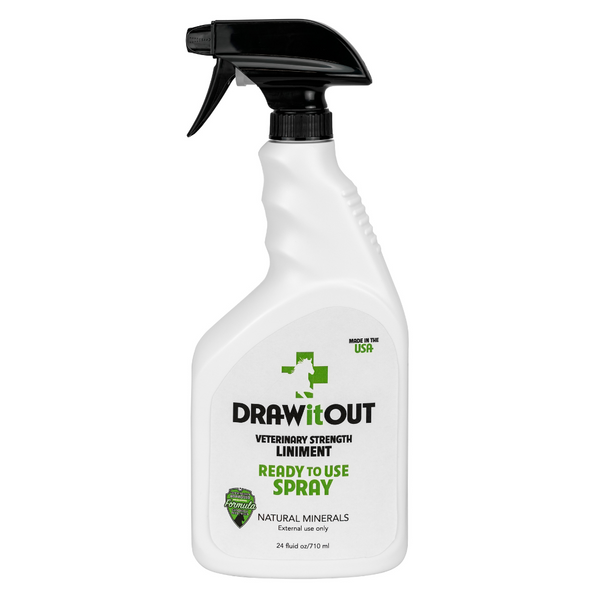
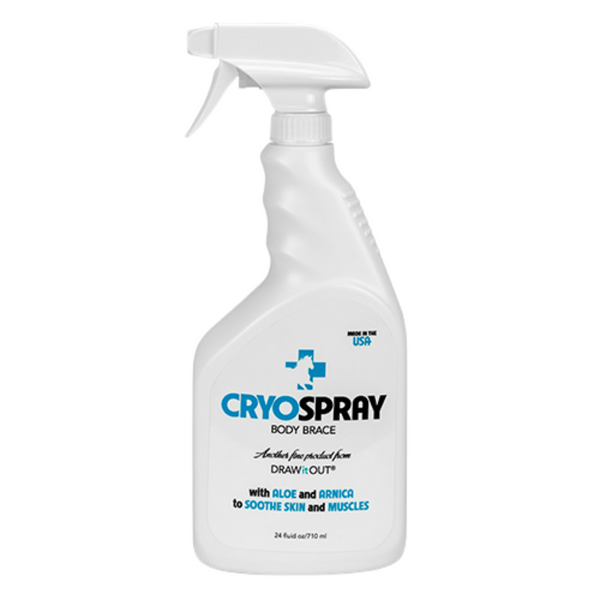
After pain is identified, Draw It Out® products support recovery with clean, sensation-free relief that horses trust.
The approach is simple: spot the signs early, support tissues immediately, and track improvement with data instead of guesswork.
Rider Stories: Early Spotting Saves Careers
You’ll hear it every winter: “I wish I had caught it earlier.”
Riders inside our Real Rider forums shared stories of subtle signs they caught just in time. A worried expression on a trail ride. A weird hesitation turning left. A muzzle that stayed tight through grooming. These tiny cues prevented major layoffs.
Share your story with the tribe. Riders helping riders is how we keep horses safer.
Your 2026 Early Pain-Alert Checklist
- Watch the eyes and muzzle every day
- Check digital pulses before rides
- Log behavior changes in tracking apps
- Support soft tissues with Draw It Out®
- Stay alert to neurologic oddities
- Trust your first instinct
Dealer demos: Pain-relief kits for alert barns. Stay ahead. Stay connected. Keep your horse comfortable.