Winter is the season where the most preventable musculoskeletal issues begin. Riders often assume winter is a “rest period” for the body, but the opposite is true: muscles tighten, connective tissue stiffens, water intake drops, and subtle strain accumulates quietly in the background.
By the time spring arrives, the small winter problems have compounded into visible soreness, behavioral pushback, or inconsistent performance. That is why this section of the 2026 Preventive Musculoskeletal Health Report focuses on the real risks hiding beneath cold temperatures and quiet barns.
1. Winter Dehydration Sets the Stage for Spring Soreness
Horses drink significantly less in cold weather. Even a mild drop in hydration thickens muscle fibers, increases fatigue, and raises the likelihood of small strains during even light exercise.
- Colder water reduces intake
- Blanketing creates micro-sweat and electrolyte loss
- Reduced turnout movement slows circulation
This dehydration-driven stiffness is one of the biggest overlooked contributors to spring soreness. Hydration is not just internal wellness—it is muscular readiness.
2. Cold Weather Tightens Muscle and Connective Tissue
As temperatures drop, tissues lose elasticity. Movement becomes shorter and choppier. Muscles fire less efficiently. Horses with even mild stiffness become tighter, quicker.
This is why riders often see:
- Shorter strides
- Reduced willingness to bend
- Slower warm-ups
- Inconsistent transitions
These aren’t “training issues.” They are musculoskeletal signals.
3. Restricted Winter Movement Creates Compounding Tightness
Less turnout and less natural movement means muscles never fully cycle through their normal stretching and contracting rhythm.
Over time this leads to:
- Accumulated micro-tightness
- Slight inflammation in high-load zones
- Early fatigue under saddle
- Increased sensitivity along the back and SI
4. Electrolyte Loss Still Happens in Winter—Even Without Sweat
Many riders stop electrolytes entirely in winter, assuming they are unnecessary. But electrolyte loss continues through:
- Respiration
- Urine output
- Blanket-related micro-sweat
- Work sessions
- Stress and travel
When electrolytes drop, nerve firing slows and muscles fatigue faster. This is where Hydro-Lyte® becomes a powerful winter tool—it maintains hydration and muscular responsiveness even when horses are not sweating visibly.
The Takeaway: Winter Is When Prevention Matters Most
Most riders only treat soreness after it shows up in warmer months, but the problems begin long before that. Water intake, muscle elasticity, circulation, and daily movement all drop during December through March.
Supporting hydration and recovery now is the single best way to enter spring already ahead, not already behind.
Keep Your Horse Ready for 2026
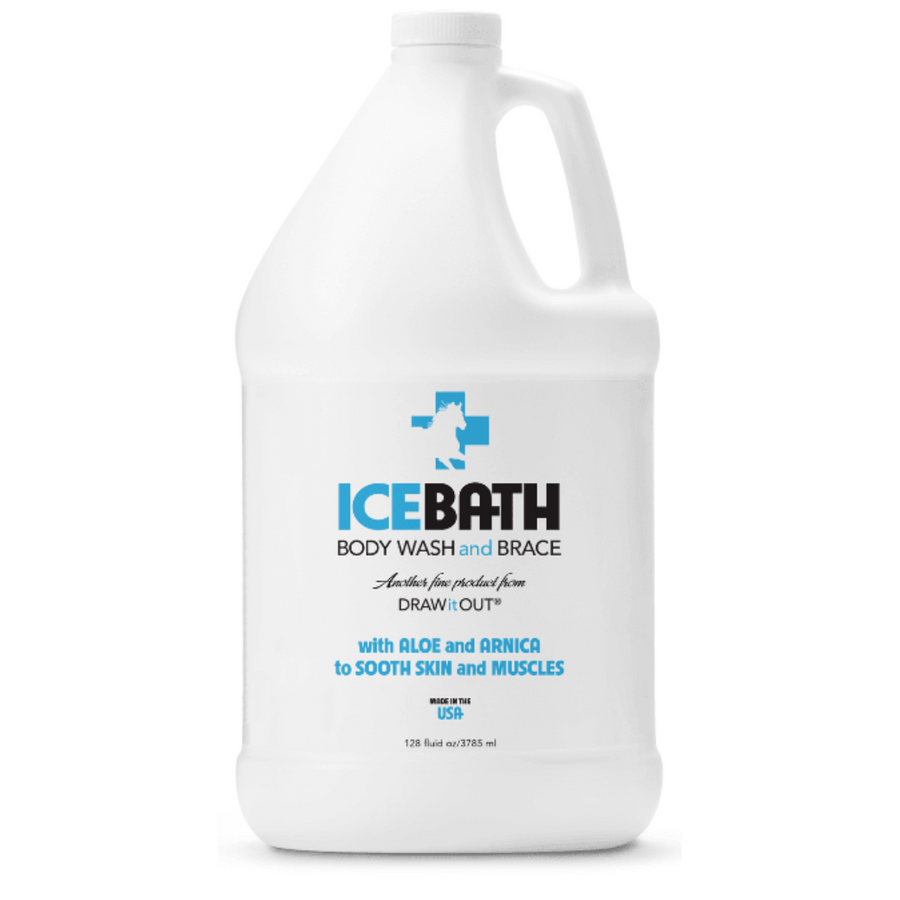
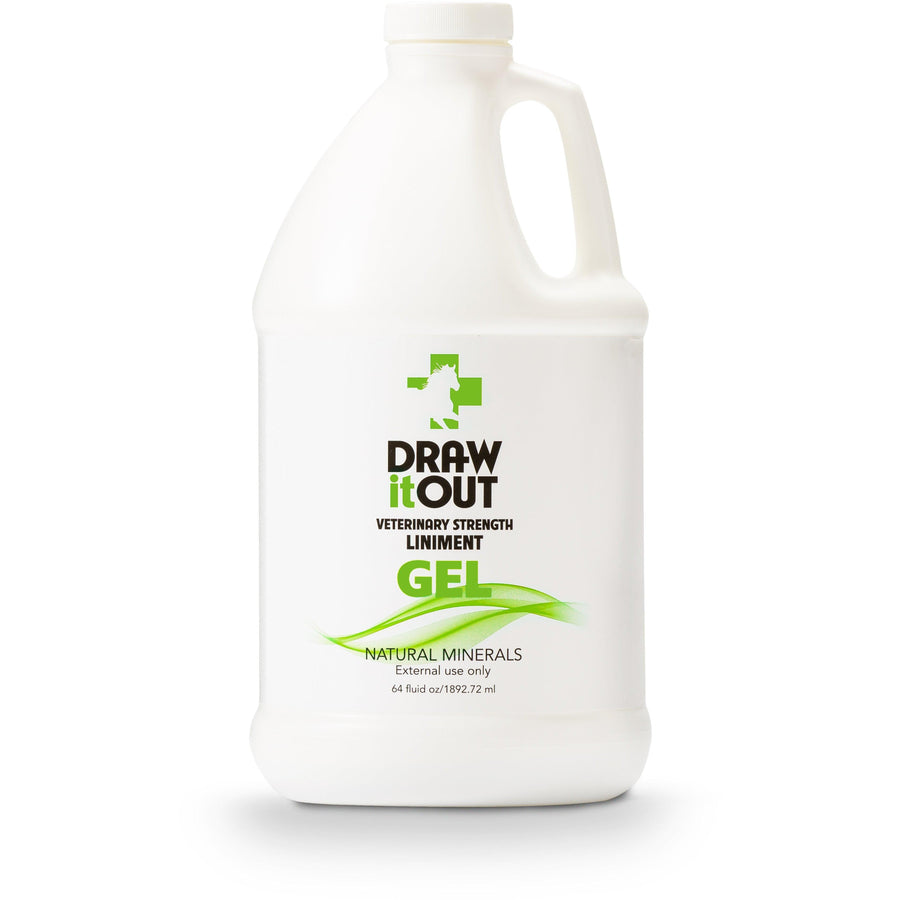
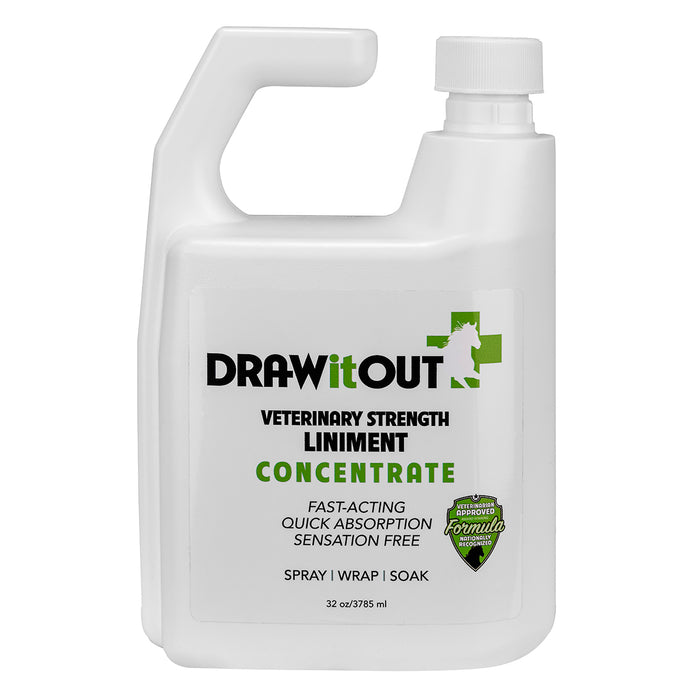
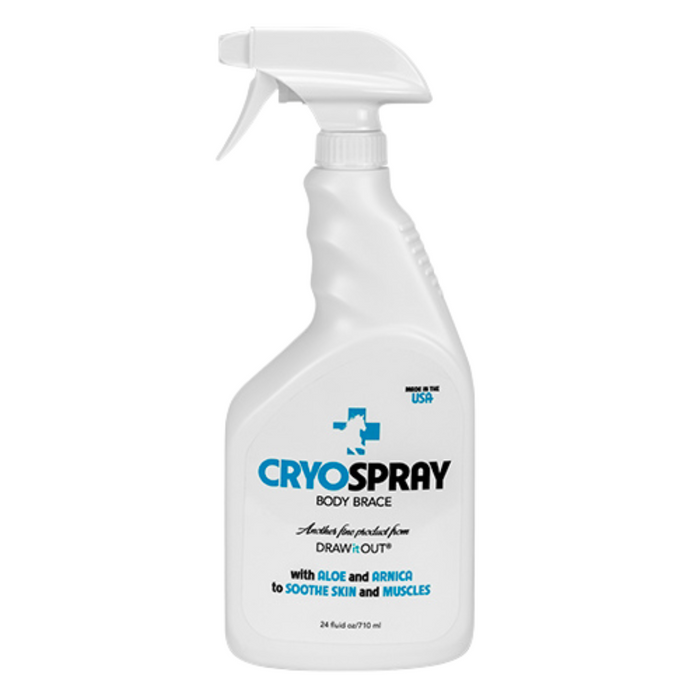
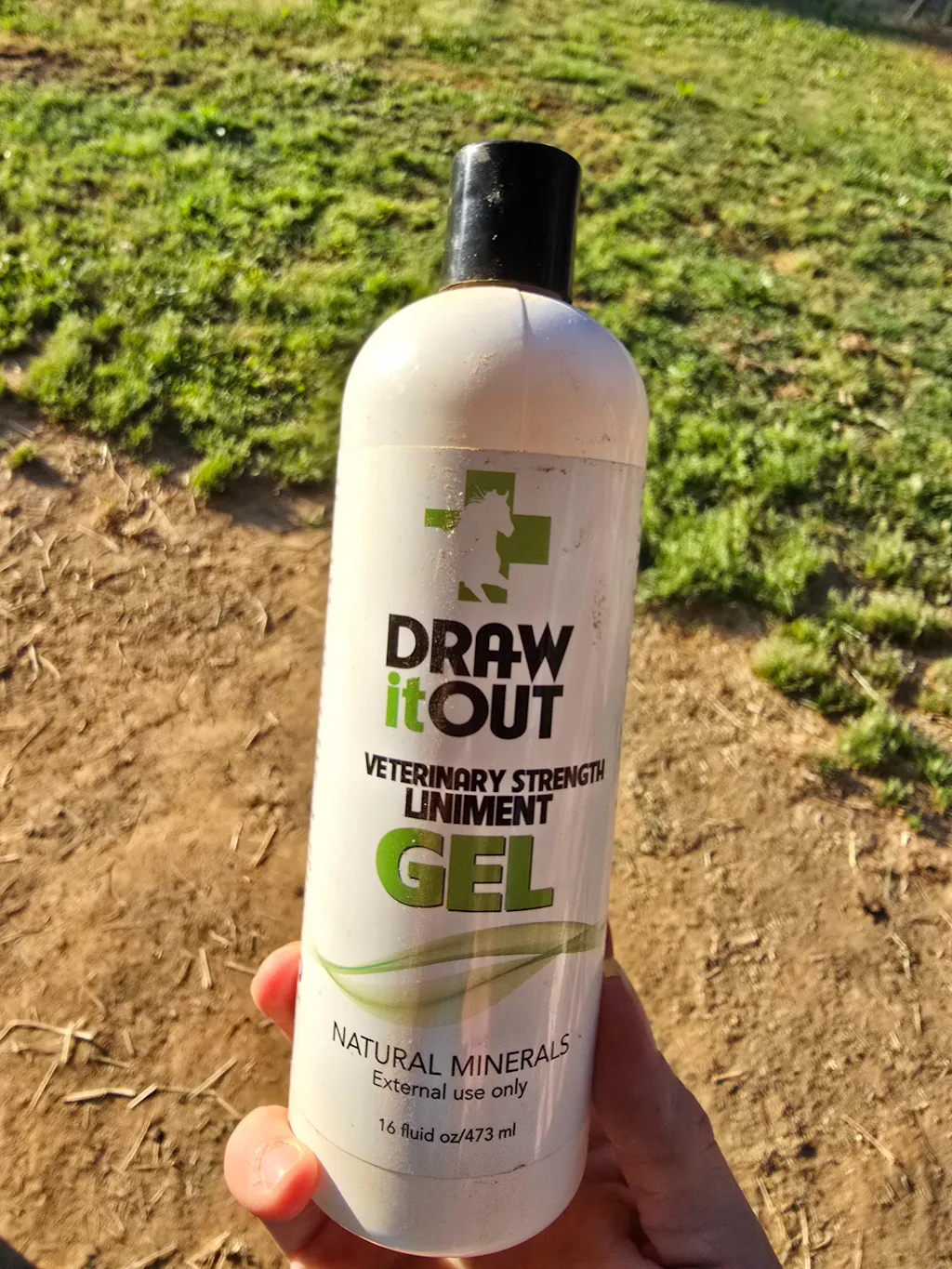
The Draw It Out® Prehab Collection supports hydration, muscle comfort, and daily recovery — the foundation of long-term soundness.
Explore the Prehab CollectionOr download the full 2026 Preventive Health Report:
Download PDF