


Jul 25, 2026
Horse Not Acting Normal? What to Check Before You Ride
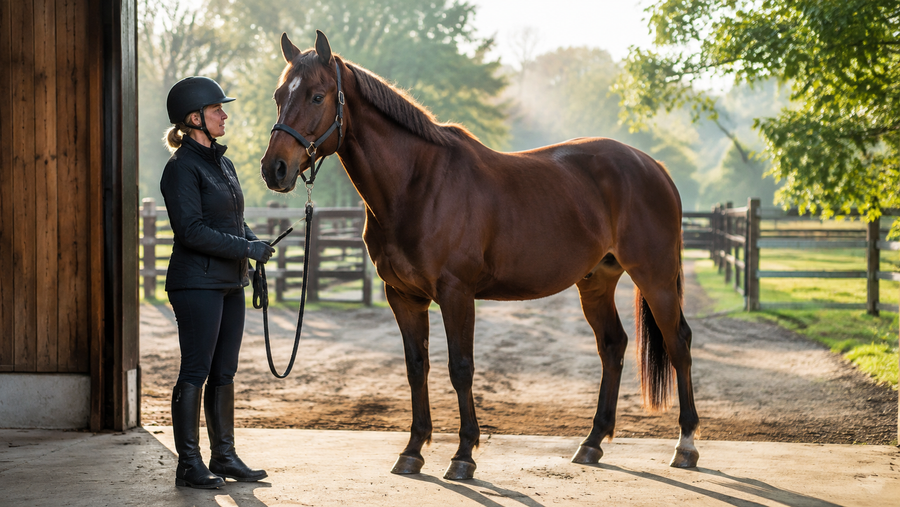
A practical rider checklist for a horse that is not acting normal, covering baseline behavior, appetite, water, manure, movement, legs, f...
Free U.S. shipping at $50+
No code needed.
Shipping details
There’s a moment every spring when everything changes.
The ground softens. The color shifts. And horses start watching the pasture gate like they know something is coming.
Fresh grass is one of the best parts of the season. It signals movement, energy, and a return to routine.
But for a horse’s body, spring pasture is not just a reward. It’s a transition.
During winter, most horses live on hay-based diets. Hay is consistent. It’s dry, predictable, and supports steady digestion.
Spring grass is different.
This shift matters. A sudden change from hay to lush pasture can be a big adjustment for the digestive system.
Inside the hindgut is a complex microbial ecosystem responsible for breaking down fiber.
Those microbes adapt slowly.
When a horse suddenly consumes rich pasture, that balance has to shift quickly. A gradual introduction allows the microbial population to adjust without disruption.
This is one of the most important reasons to take your time.
The first growth of pasture is the most nutrient-dense.
Young grass contains higher levels of soluble carbohydrates compared to mature summer forage. It’s why horses are drawn to it immediately.
It’s also why moderation matters early on.
A steady approach works best.
This allows the digestive system to adapt at the same pace the pasture is introduced.
Spring turnout naturally increases movement.
Horses walk, graze, and shift more throughout the day. That movement supports circulation, digestion, and overall comfort.
At the same time, many riders begin riding more consistently again. That combination creates a seasonal increase in workload.
Spring is not just a feeding change. It’s a full system shift.
Diet changes. Activity increases. Metabolism adjusts.
This is where a Prehabilitation mindset makes a difference. Supporting circulation, mobility, and tissue health before stress builds keeps horses comfortable as the season ramps up.
If you're looking to support your horse through seasonal changes, start with the Solution Finder to build a routine that fits your horse.
Many riders also revisit daily routines in the liniment gel collection as turnout and riding increase.
For a deeper look at proactive care, explore the Prehabilitation approach.
Spring pasture is meant to be enjoyed.
The quiet sound of grazing. Horses spread across green fields after months of winter. The rhythm of the season returning.
The best transitions don’t rush that moment.
They build into it.
Slowly, steadily, and with intention.
Prehabilitation is not about doing more. It is about doing the right small things consistently.
A practical rider checklist for a horse that is not acting normal, covering baseline behavior, appetite, water, manure, movement, legs, f...
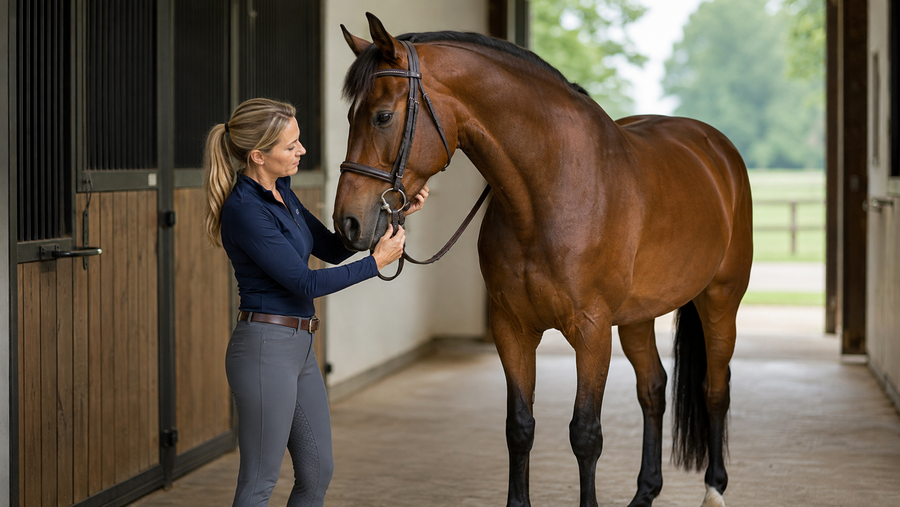
Before changing bits, check dental and mouth comfort, current fit, rider hands, tack, training clarity, body comfort, and when resistance...
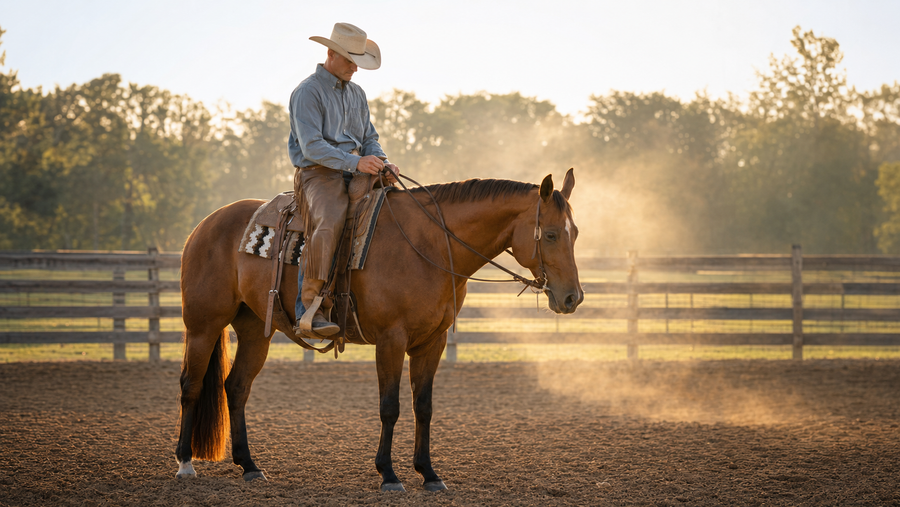
Before adding speed, confirm steering, rate, rhythm, balance, footing, fitness, confidence, soundness, and recovery at the slower version.
Want a smarter way to handle soreness, heat, swelling, and post-ride leg care? Visit our Performance Recovery Hub for clear routines and product guidance.
Visit the Recovery Hub!