Seasonal Horse Care
Why Horses Feel Extra Fresh in Spring
If your horse suddenly feels brighter, sharper, spookier or harder to settle when spring hits, you are not imagining it. But calling it “fresh” only tells part of the story.
Quick answer
Horses often feel extra fresh in spring because longer daylight, warmer weather, changing turnout, fresh forage, busier barns and increased riding all arrive at once. That can make the horse feel more energetic, but it can also make the nervous system more reactive and less settled under saddle.
Speakable summary
Spring freshness is not just extra energy. It is often a horse responding to more input. Longer days, turnout changes, fresh grass, busier routines and increased riding can raise alertness and lower the threshold for reaction. The best answer is not to fight the horse harder. It is to build a calmer, more repeatable routine that helps the body and mind settle before the work gets serious.
It gets labeled as fresh, but that label is too small
You feel it before the ride really starts.
The horse is not necessarily bad. Not lame. Not checked out. Just sharper than usual.
- A spook that comes quicker than expected
- A trot that feels bigger but less organized
- A horse that reacts before thinking
- A warm up that takes longer to settle
- A ride that feels different from yesterday even though you did nothing different
Most riders call that freshness. Fair enough. But the better question is what changed underneath it.
Spring does not just add energy. It adds input.
Spring changes more than the temperature. It changes the whole operating environment around the horse.
That is why a spring fresh horse may not simply feel forward. He may feel mentally busy.
Freshness often shows up as poor regulation
A regulated horse can have energy and still stay rideable. An unregulated horse turns small inputs into big reactions.
That difference matters.
- Forward is energy with direction.
- Fresh is energy that has not found a job yet.
- Reactive is energy plus tension plus too much input.
Spring exposes that difference fast. A horse may have plenty of try, but less ability to organize himself when the world gets louder.
Why it shows up under saddle first
You may not see the issue in the pasture. Then you tack up and the horse feels like a different animal.
That is because riding adds pressure, focus and precision. The horse now has to process the environment while also responding to your seat, leg, hand, balance and timing.
If his baseline is already elevated, your normal aids may feel like too much. Not because you changed. Because the horse is starting the ride from a different place.
The mistake is trying to outwork it
The common reaction is to take the edge off. More circles. More transitions. More correction. More pressure early.
Sometimes that helps. Sometimes it just adds more noise.
You cannot always outwork a nervous system. A horse that is already overstimulated usually needs clearer structure, not a louder argument.
That does not mean letting the horse run the ride. It means earning the right to ask for more by helping the horse find rhythm first.
What to do instead
Start with a longer walk
Let the horse breathe, scan and start moving through the body before you ask for collection, bend or quick responses.
Use large shapes first
Big circles, long lines and gentle changes of direction give the horse a job without immediately overloading balance or attention.
Delay the hard questions
Small circles, tight turns, speed changes and lateral work can wait until the horse is mentally and physically more organized.
Judge the whole pattern
Do not overreact to one fresh moment. Watch whether the horse settles, whether the body softens and whether tomorrow feels better or worse.
Where the body fits in
Freshness is not only mental. When reactivity rises, the body usually changes too.
- Muscles brace faster
- Breathing gets less consistent
- The back may hollow sooner
- The stride may get quick instead of useful
- Small imbalances become more obvious
That is why spring behavior and spring body care belong in the same conversation.
Build a calmer spring routine
The goal is not to dull the horse. The goal is to make the energy usable.
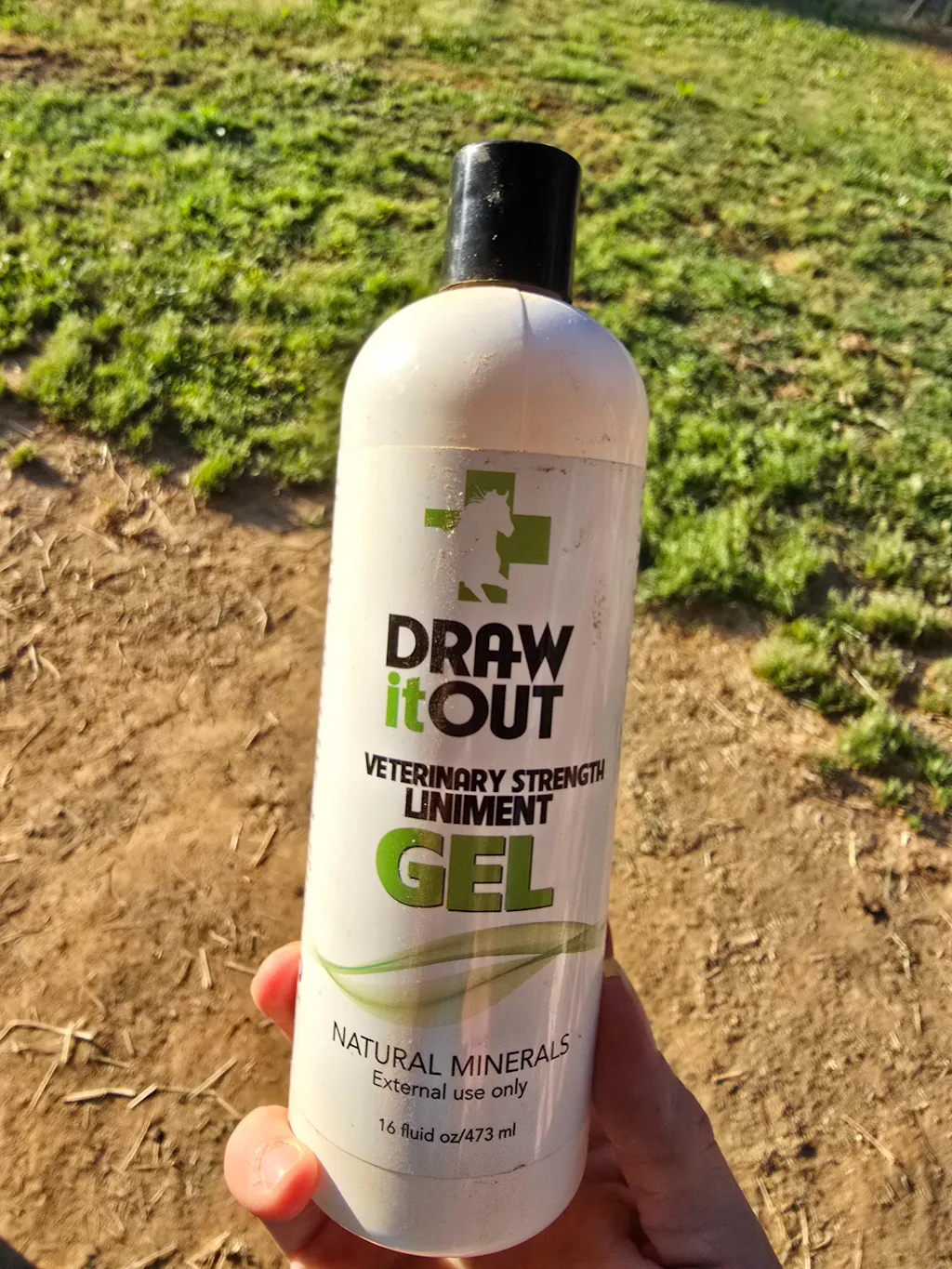
Start with the Solution Finder when you are not sure what kind of support fits the horse in front of you. Use the Prehabilitation guide to build a steadier routine before small issues get louder. For targeted muscle and recovery support, browse the liniment gel collection.
Fresh is information
That extra spark is not always a problem. Sometimes it is the horse telling you the season changed faster than the routine did.
The riders who handle spring best do not panic. They read the pattern. They give the horse a clearer start. They support the body while the mind catches up.
That is how freshness becomes forward. That is how energy becomes rideable.
FAQ
Why is my horse so fresh in spring?
Spring often brings longer daylight, more turnout, changing forage, warmer weather and more riding. Those changes can increase energy and make the horse more reactive under saddle.
Is spring freshness bad behavior?
Not always. Freshness is often a response to seasonal change, extra stimulation or a body that has not fully adapted to the new workload. Patterns matter more than one moment.
Should I work a fresh horse harder?
Not automatically. If the horse is overstimulated, harder work may increase tension. A longer warm up, large shapes and simple rhythm work often create a better ride.
Can body soreness make a horse feel more reactive?
Yes. Muscle tension, poor recovery or uneven movement can make a horse less tolerant of normal aids. If behavior changes suddenly or does not improve, involve your veterinarian or qualified professional.
What is the best routine for a fresh spring horse?
Start with controlled movement, a patient warm up, simple focus work and consistent recovery support. The goal is to help the horse settle without taking away useful energy.
Educational content only. Always follow product directions and consult your veterinarian for sudden, severe or persistent behavior, soundness or health changes.