How Long Does Horse Fly Spray Last? What Reapplication Claims Really Mean
Big longevity claims sound simple. Real fly season is not. Rain, sweat, turnout time, coat condition, and overall bug pressure all change how long protection actually holds.
One of the easiest ways riders get frustrated in fly season is by reading a headline claim as if it were a promise. A bottle says protection can last a certain number of days, and the brain quietly translates that into I should not need to think about this again for a while.
That is usually not how fly season works.
The truth is simpler. Most long-duration claims describe a best-case window. They do not erase sweat, rain, wash days, heavy turnout, or the reality that one horse may stand quietly in a breezy paddock while another spends the afternoon stomping beside water and manure.
What those big longevity claims usually mean
When a fly spray says protection can last several days, that number usually reflects an upper range under favorable use conditions. It does not mean every horse in every environment will hold that level of repellency for that full period.
What changes the outcome?
- Sweat: hard work and hot weather wear protection down faster
- Rain and wash downs: water changes everything
- Turnout time: more hours outside usually means more exposure
- Fly pressure: a bad week in a wet barn area is not the same as a mild day with airflow
- Application quality: light, even coverage matters more than random saturation
- Horse tolerance: a product only works when you can actually use it consistently
How long does horse fly spray last in the real world?
In practice, horse fly spray lasts as long as the routine around it holds up.
That sounds vague, but it is the honest answer. Some horses do well with a once-daily pre-turnout application. Others need a lighter second application after work, after rain, or after a hard sweaty session. Some barns reduce pressure enough through airflow and manure handling that spray seems to last longer. Others create such constant exposure that no spray feels like it lasts long enough.
The right question is not just “How many days?”
The better question is: “What conditions will make me need to reapply sooner?”
Why rain, sweat, and washing matter so much
These are the three most common reasons riders feel like a spray “quit early.”
Rain
Even a good routine gets tested by water. A soaked coat is not the same environment as a dry one. After meaningful rain exposure, many riders need to reassess and reapply.
Sweat
Work changes the coat. Heat and sweat can reduce how evenly a spray stays distributed, especially during heavy training weeks or peak summer weather.
Washing
If the horse has been bathed or heavily rinsed, do not pretend the same protection window is still sitting there untouched. Build your fly routine around what actually happened, not what the bottle claimed under calmer conditions.
How to think about reapplication without overdoing it
Over-application is not a smart system either. More is not always better. Harsh routines can create resistance in the horse, skin irritation, and inconsistent use by the rider. The goal is not maximum spraying. The goal is dependable coverage you can repeat.
- Apply before turnout. Start before the horse is already irritated.
- Watch the environment. Heat, rain, standing water, and stall cleanliness change everything.
- Adjust after heavy sweat or water exposure. Do not cling to the original timeline if the conditions changed.
- Keep the routine calm. A horse that tolerates application well is easier to protect consistently.
- Use support tools too. Fly masks, airflow, turnout timing, and barn hygiene extend the value of every application.
What usually shortens the reapplication window
- Hot weather and hard work
- Daily rinsing or frequent bathing
- Heavy turnout near water or manure
- Poor airflow in stalls or run-ins
- Peak fly season after rain
- Applying too little because the horse hates the spray process
The boring truth that actually works
Fly control gets better when riders stop chasing miracle duration and start building stable routines.
That means:
- using a spray the horse tolerates
- applying it consistently
- reapplying when conditions justify it
- reducing fly pressure in the barn instead of asking the bottle to do the whole job
This is also why the strongest fly programs do not rely on one product alone. They stack tools. Spray, mask, airflow, manure management, turnout timing, and predictable grooming habits all support one another.
Where Draw It Out® fits
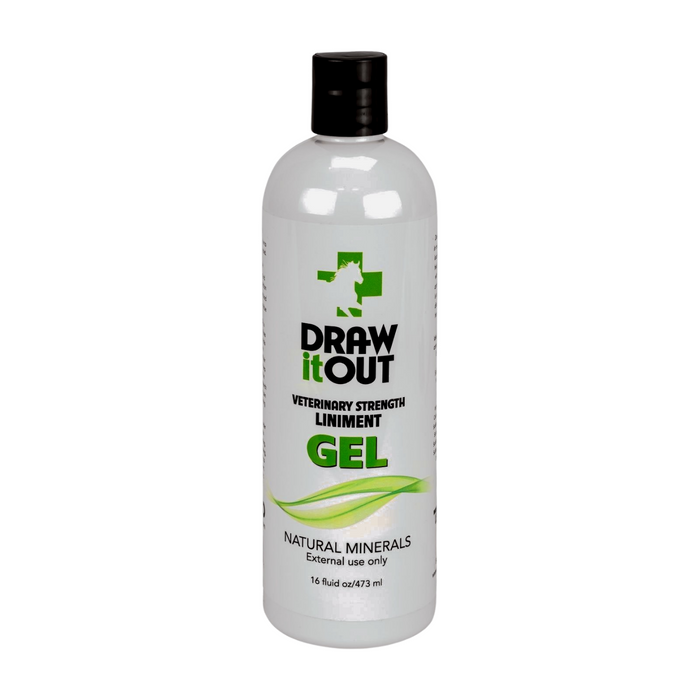
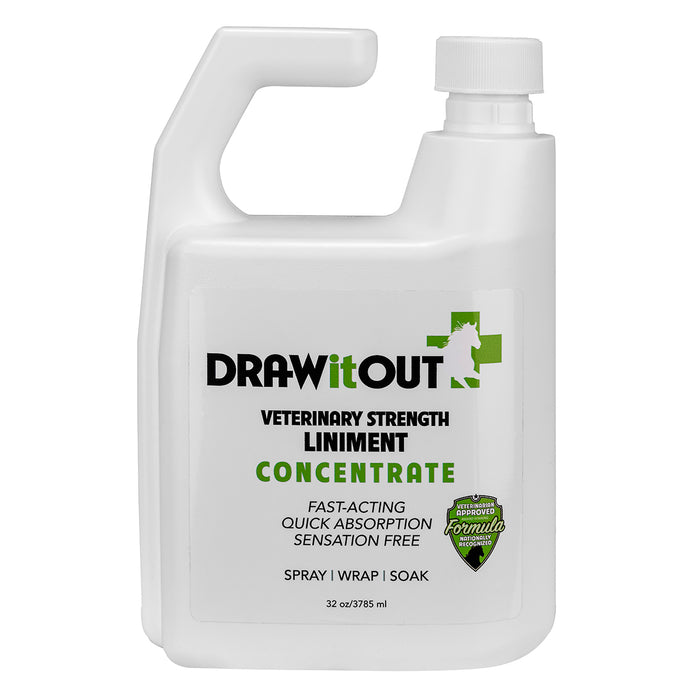
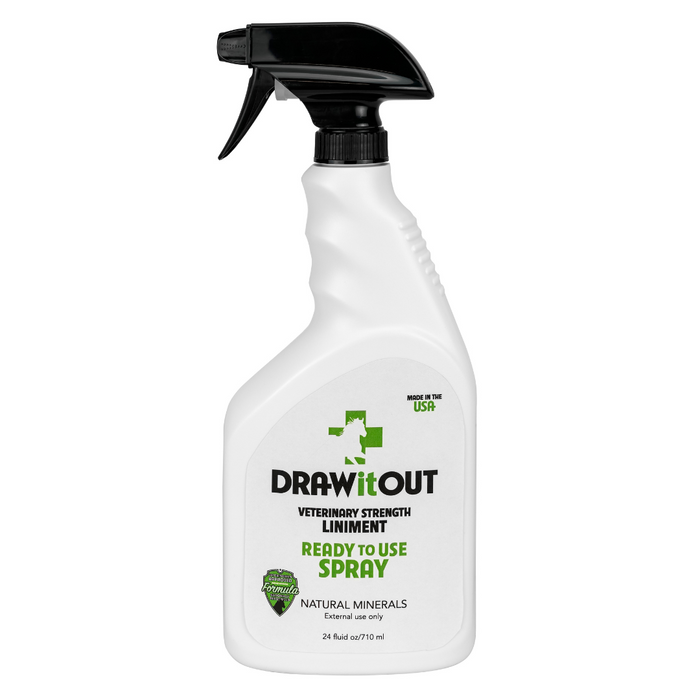
At Draw It Out®, the whole point is routine fit. Riders do not need more drama in fly season. They need something they can use repeatedly without turning the horse sour about the process.
That is why our fly season education keeps coming back to the same idea: calm, repeatable, real-world use beats theater. A product that fits daily life gets used. A product that gets used consistently has a real chance to help.
Bottom line
Horse fly spray longevity claims are not useless. They are just easy to overread.
The honest way to use them is as a rough ceiling, not a hard promise. In the real world, rain, sweat, washing, turnout, and barn pressure all affect how long protection holds. The best riders respond to conditions, not marketing math.
If your horse is staying calmer, tolerating application, and needing fewer reactive fixes, the routine is probably working.
FAQ
How often should I apply horse fly spray?
Most riders start before turnout and then adjust based on rain, sweat, wash days, and actual fly pressure. The right answer depends on conditions, not just a number on a label.
Does horse fly spray last as long as the biggest claim on the bottle?
Sometimes, under lighter conditions. Often, real barn variables shorten that window. Treat headline claims as an upper range, not a guarantee.
Should I reapply after rain or bathing?
Usually yes. Water exposure is one of the biggest reasons riders need to reassess protection sooner.
Can I make fly spray last longer without spraying more?
Yes. Improve airflow, reduce manure buildup, use a fly mask, and avoid waiting until the horse is already uncomfortable before applying.
What matters more, strength or consistency?
Consistency. A product that fits the horse and the routine usually outperforms a stronger-feeling option that gets skipped or causes resistance.
Educational content only. Always follow product label directions and adjust care based on your horse, your environment, and current conditions.