

Jul 09, 2026
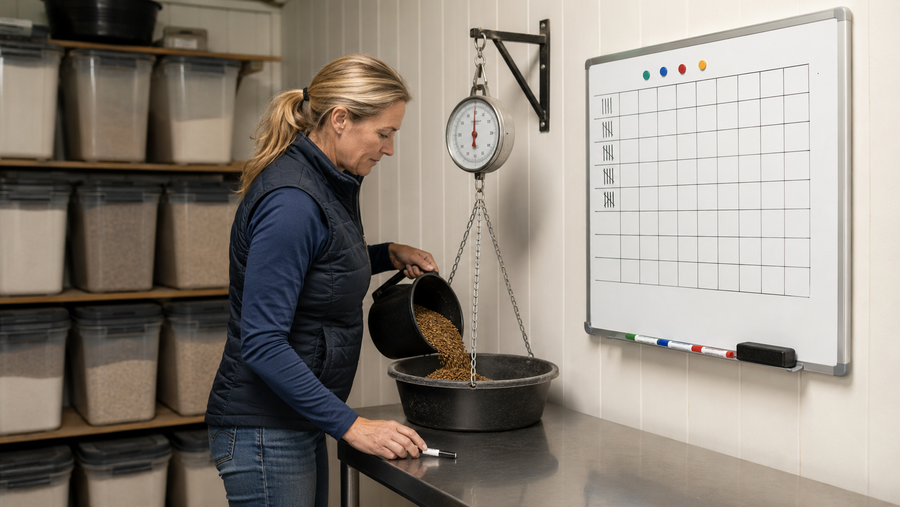
The Feed Room Board: Track Before Supplementing
A product-neutral feed-room tracking system for water, manure, appetite, workload, hauling, changes, response windows, and professional r...

Real Rider Resource
A rider-awareness guide for spotting stiffness, footing, tack, workload, and recovery clues before blaming attitude.
Short answer: If your horse takes longer to warm up than normal, check the horse, the footing, the tack, the previous workload, the recovery routine, and whether the same pattern repeats.
A horse that starts slower, guarded, short, or heavy in the hand is giving you information. Real riders listen before they drill.
The useful question is simple: is this normal for this horse?
A one-day change may be a clue. A repeated change is a pattern. Patterns deserve respect.
A thoughtful warm-up should make the horse feel better, not just wear them down until they comply.
Look for longer stride, softer back, better rhythm, more even contact, less guarding, and cleaner transitions. If the horse does not improve, gets worse, trips, resists strongly, feels uneven, or changes behavior sharply, stop and investigate.
The Horse Prehabilitation Routine is the right next step for riders who want a repeatable system instead of guessing day to day.
For topical recovery support after the horse is cool, clean, and dry, Draw It Out® 16oz Liniment Gel fits everyday post-ride routines.
For broader routine planning, browse the Draw It Out® Equine Performance Bundles.
Call your veterinarian or farrier when the horse is uneven, sore to the touch, reluctant to bear weight, swelling, showing heat, stumbling repeatedly, changing behavior sharply, or taking longer to warm up ride after ride.
Some horses naturally need more time, especially with age, weather changes, footing changes, or recent workload. The key question is whether the pattern changed for that individual horse.
If the horse improves steadily and feels normal, a slower warm-up may be appropriate. If the horse feels uneven, gets worse, resists sharply, trips repeatedly, or seems painful, stop and investigate.
Check feet, footing, legs, back, saddle fit, girth area, previous workload, hydration, and recovery.
Liniment gel belongs in the care routine, not as a way to ride through a problem. Use it after work on clean, dry skin as directed.
Where to go next: Use the Solution Finder, review Prehabilitation, and match the routine to the right performance system.
Conditioning works best when the horse gets time to adapt, not just more work to survive.
A product-neutral feed-room tracking system for water, manure, appetite, workload, hauling, changes, response windows, and professional r...
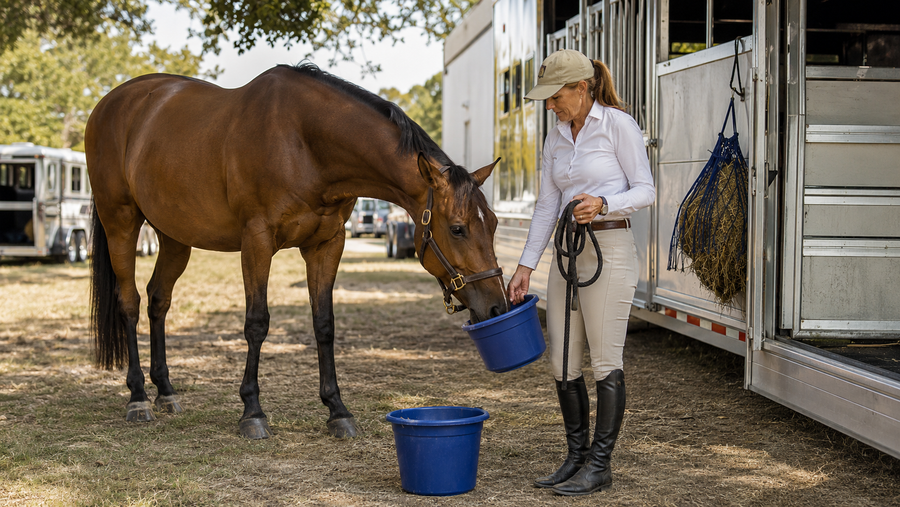
A Real Rider Resource guide for tracking water intake, manure, attitude, heat, hauling, and electrolyte planning when a horse will not dr...
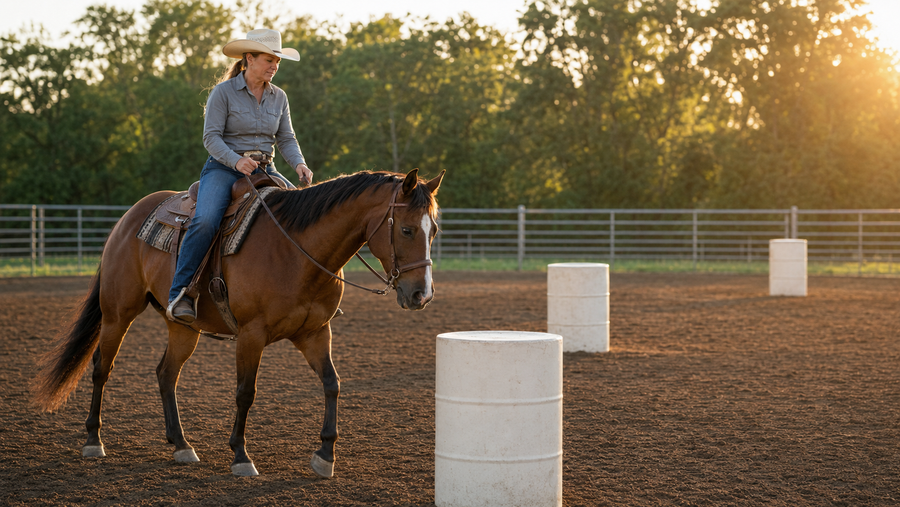
A Real Rider Resource guide for horses anticipating patterns, including pressure, comfort checks, hydration, recovery, Fluid Flex EQ®, Hy...
Want a smarter way to handle soreness, heat, swelling, and post-ride leg care? Visit our Performance Recovery Hub for clear routines and product guidance.
Visit the Recovery Hub!