Spring Ride Frequency Mistakes: Why Riding More Is Not Always Better Early in the Season
As the weather improves, it is tempting to ride more often and call it progress. But early season conditioning is not just about work. It is about what the body can actually absorb, recover from, and build on.

Spring creates urgency. Riders want to condition faster, make up for lost time, and get back to work. But horses do not respond well to sudden jumps in frequency just because the calendar changed. A better schedule builds the horse up without letting small fatigue pile into bigger problems.
When the weather breaks, restraint usually goes with it
The days get longer. The footing improves. Motivation comes back fast.
And suddenly, you are riding more.
More days. More minutes. More intensity.
It feels productive because it looks productive. But early in the season, more saddle time does not always equal better conditioning.
Sometimes it means the opposite.
The spring surge almost everybody falls into
After winter, spring creates a very predictable push.
I need to get my horse back in shape.
We are behind.
It is time to go.
So ride frequency often jumps before the horse is ready for it. A schedule that was two or three rides a week becomes five. A few easy rides become longer sessions. A horse that only recently returned to regular work is suddenly expected to absorb a much heavier cycle.
The intention is understandable. The timing is usually the problem.
Conditioning does not come from work alone
Fitness is not created only during the ride.
It is created in the adaptation that follows the ride.
That process depends on three things:
- consistent but manageable stress
- enough recovery time between efforts
- gradual increases the body can actually absorb
When ride frequency rises too quickly, the horse may still go forward and look willing. That is what tricks people. The body can keep showing up before it is truly keeping up.
The quiet accumulation of fatigue is what catches people
Early season overload is rarely dramatic at first.
It usually shows up as small, easy-to-rationalize changes:
- the horse feels a little duller from one day to the next
- warm up takes longer than it did last week
- the body loosens during the ride but feels tighter again the next day
- you get one good ride, then spend two rides trying to get back to it
None of that feels like a crisis. That is exactly why it gets missed.
Why rest days matter more in spring than most riders think
In peak season, a conditioned horse can tolerate more frequent work because the system underneath is already stronger.
In spring, that system is still rebuilding.
Rest days are not wasted days. They are where tissue repair, neuromuscular reset, and actual physical adaptation happen. They let the horse come back better instead of just coming back again.
That distinction matters.
The good ride trap
This is where many riders accidentally push too hard.
The horse feels great one day, so the next move is to go right back the following day. Then maybe again. The schedule starts chasing the feeling of that one good ride.
But good rides often happen because the body finally had enough room to adapt. If you remove the breathing room too soon, you interrupt the same cycle that produced the improvement.
Consistency beats intensity, and it usually beats frequency spikes too
A better spring conditioning schedule is rarely the one with the most ride days. It is usually the one with the most usable pattern.
That might mean:
- alternating moderate days with lighter days
- using short sessions before expanding duration
- building frequency gradually instead of all at once
- protecting recovery after a bigger schooling day or haul
This is not about doing less forever. It is about building enough structure that the work can stick.
What to watch for when ride frequency gets too high
Look for patterns, not isolated bad days.
Useful warning signs include:
- the horse improves within each ride but regresses by the next ride
- stiffness at the start of work becomes more common
- willingness drops without an obvious reason
- the body needs more help to feel normal after ordinary work
Those are often scheduling signals before they become performance problems.
Recovery support becomes more important as workload builds
As you increase ride days, recovery has to become a real part of the plan.
That means thinking beyond the ride itself and paying attention to what happens after. Circulation, cooling, light movement, and consistent comfort support all matter more when the horse is being asked to adapt to a denser work week.
This is where a proactive routine helps. The body handles training better when recovery is not treated like an afterthought.
Prehabilitation is what keeps progress from turning into accumulation
Prehabilitation is the idea that you support the horse before little issues get loud. Not because something is wrong. Because the horse is working, adapting, and carrying more demand than the eye always catches.
That approach fits spring especially well. The goal is not to react once soreness shows up. The goal is to create routines that help the horse stay comfortable, steady, and ready as work increases.
If you need help deciding what kind of support fits your horse’s current workload, the Solution Finder is the fastest place to start.
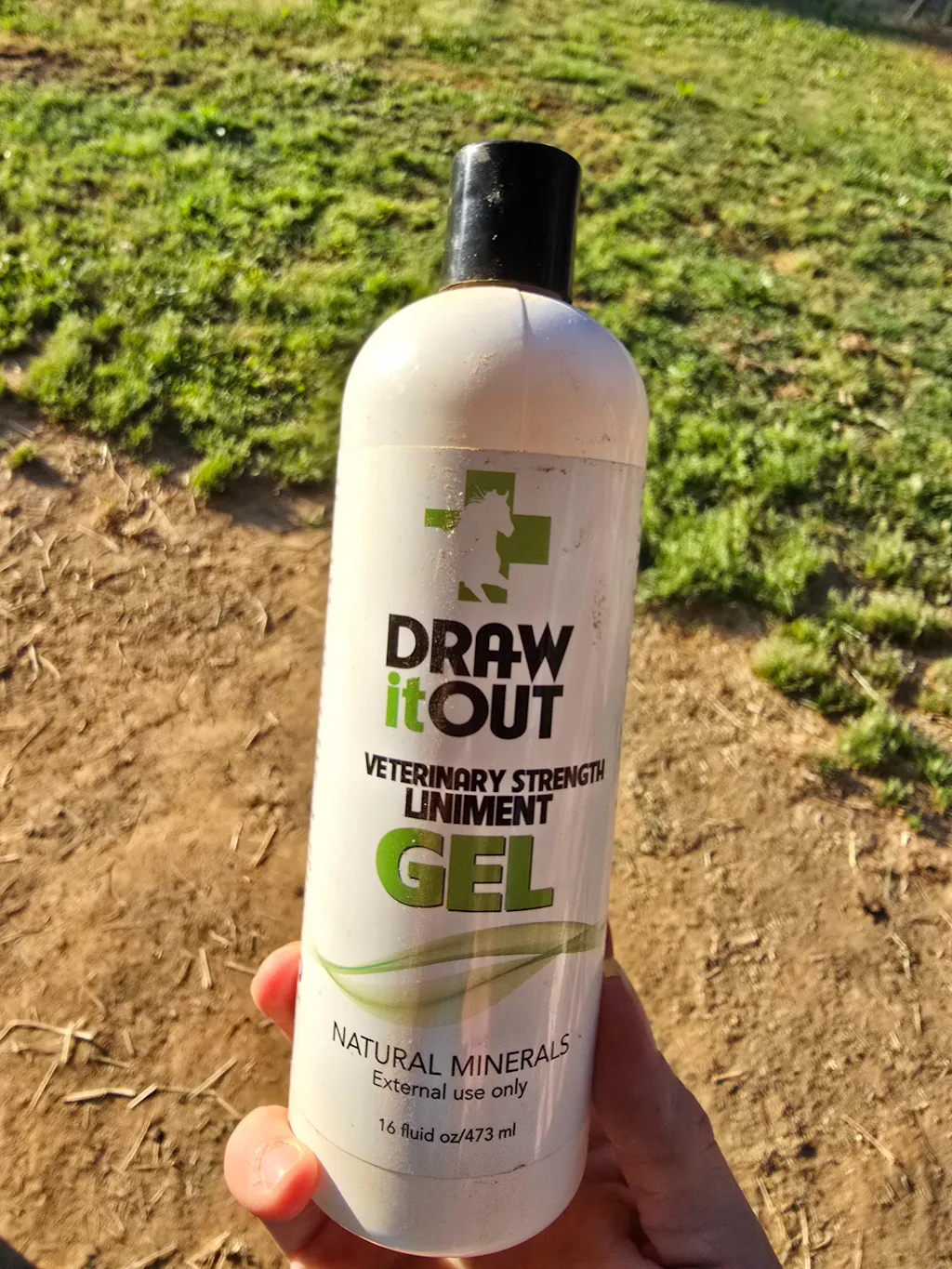
For riders building a broader support routine around early season workload, the liniment collection and the Ride → Recover → Maintain system both help translate good intentions into repeatable daily use.
The goal is not to do more early
The goal is to build more.
That is a different mindset.
The horses that hold up best across a long season are usually not the ones rushed hardest in the first good stretch of spring weather. They are the ones whose workload was increased with enough patience that the body could actually come with the plan.
Ride by ride. Week by week. With enough space in between for progress to become real.
Build a calmer spring routine
If your horse is moving into a heavier spring schedule, match the workload with a recovery plan that makes sense. Start with the guided Solution Finder, learn the bigger framework on the Prehabilitation page, and browse the liniment collection for support that fits real ride frequency.
Educational support only. Always follow label directions and use your own judgement for your horse, schedule, and workload.
Frequently asked questions
Can riding more often in spring make a horse sore?
Yes. Sudden increases in ride frequency can outpace the horse’s ability to adapt, especially early in the season when soft tissue and overall fitness are still rebuilding.
How often should I ride my horse when spring conditioning starts?
There is no one schedule for every horse. The important part is gradual progression. A steady pattern with recovery between efforts is usually more productive than jumping straight into a dense weekly workload.
Why does my horse feel good one day and stiff the next?
That pattern often points to incomplete recovery. The horse may loosen during work but still be carrying more fatigue from the overall weekly schedule than the body can fully clear between rides.
What is the biggest spring conditioning mistake riders make?
One of the most common mistakes is increasing frequency, duration, and intensity all at once. A smarter build changes one variable at a time so the body can adapt cleanly.