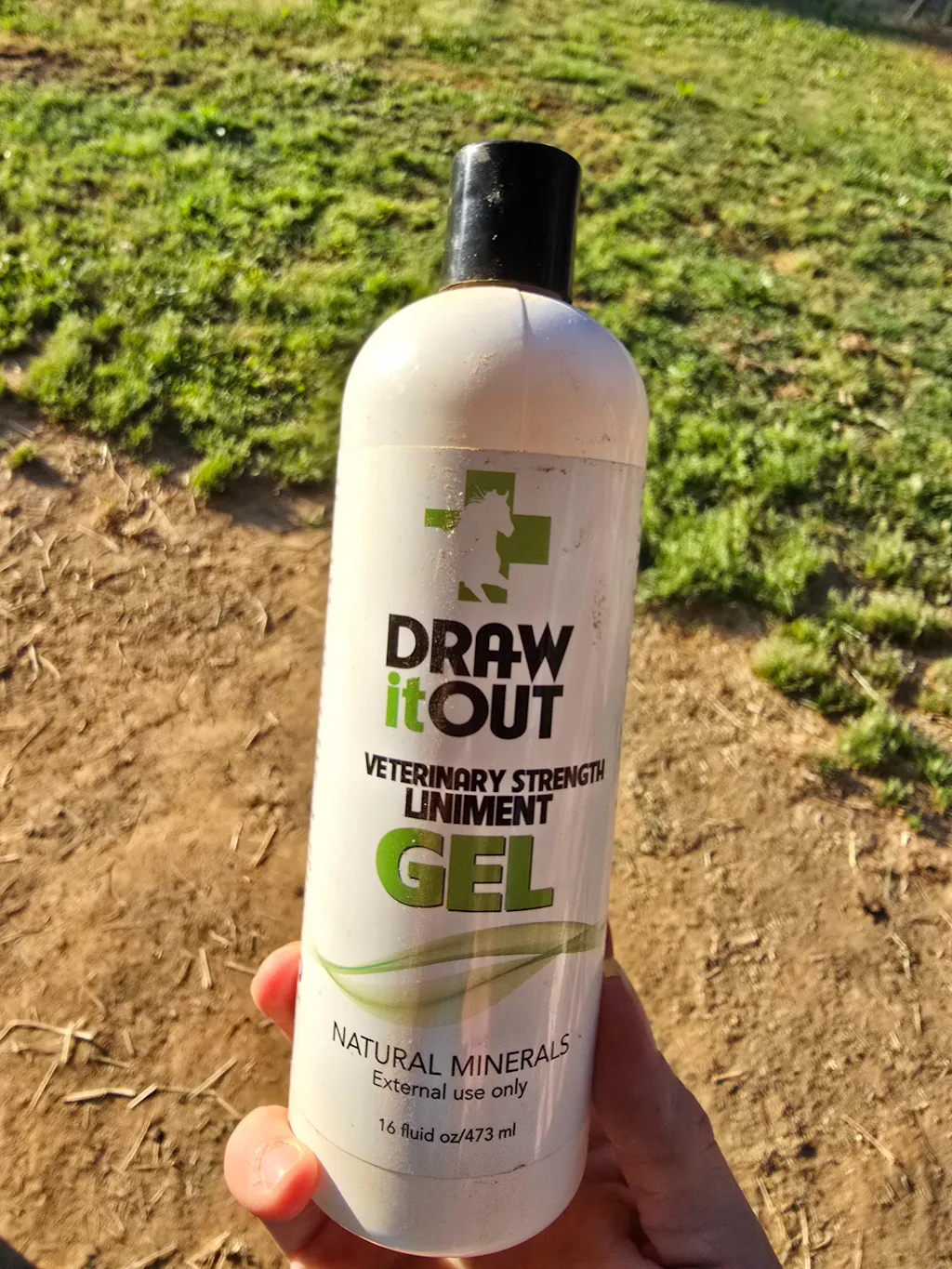
Label literacy
Horse Care Labels: How to Read Big Claims and Fine Print
Big claims get attention. Fine print tells the truth. The riders who make better product decisions usually do one simple thing differently. They read the promise, the directions, the ingredient list, and the routine fit together instead of falling for the loudest line on the front.
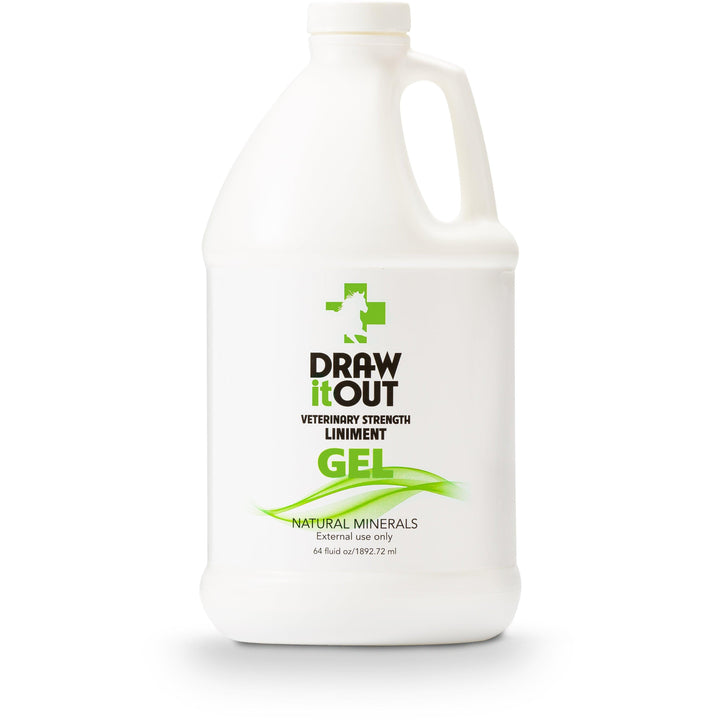
When you compare horse care products, do not stop at the bold claim on the front label. Read the directions, check how often the product expects reapplication, look at the actual ingredient list, and ask whether the formula fits a calm repeatable routine for your horse.
A bottle can promise long coverage, deep action, fast cooling, natural botanicals, or performance support. None of that means much by itself. A better question is this: what does the full label ask you to do, and does that make sense for real barn life?
This matters whether you are comparing fly sprays, a liniment gel, skin products, or daily support items. The horse does not care how dramatic the headline sounds. The horse cares what actually touches the skin, how often it needs to be reapplied, and whether the routine stays calm enough to repeat.
The front label is the hook, not the answer
Most riders have been trained to look first at the biggest promise. Long lasting. Extra strength. Deep cooling. Botanical blend. Sensitive skin safe. That is normal. It is also where brands can make you do their work for them.
The front label is built to pull your eye. The back label is where the product starts getting honest.
What to check after the headline
- Directions: how often it expects use, how much to apply, and whether it assumes ideal conditions
- Ingredient clarity: specific ingredients beat vague blend language every time
- Routine fit: can you actually use it consistently on your horse, in your barn, under your schedule
- Use context: turnout, sweat, wash days, hauling, wraps, tack, and show-week decisions all change what works
Read the claim and the directions together
This is where riders get tripped up. A product can sound like it lasts forever until you notice the directions quietly assume clean coats, mild conditions, no rain, limited sweat, or reapplication after the horse gets wet. That is not necessarily dishonest. It is just incomplete if you only read the front.
The same logic applies outside fly season. A topical can sound powerful until the label makes clear that the sensation is the whole show. Another can sound mild until you realize it is built for calm daily use and therefore fits more horses, more routines, and more days on the calendar.
Start with the promise
Notice the big claim, but do not make your decision there.
Check the directions
If the directions quietly require touchups, special timing, or ideal conditions, that changes the real meaning of the claim.
Read the ingredients
Specific ingredients tell you more than broad phrases like botanical blend or essential oil complex.
Test routine fit
If your horse hates the smell, reacts to the feel, or the schedule is unrealistic, the product is weaker than it looks.
Why routine fit matters more than theatrical performance
Some products win the shelf test and lose the barn test. They sound impressive in a sentence but become a hassle in real use. They drip, sting, smell stronger than you want near the face, feel wrong under gear, or demand a level of babysitting most riders cannot maintain.
That is why routine-first products often outperform hype products over time. The winner is usually the one you can keep using correctly.
With fly care, that means even coverage, realistic reapplication, and a horse that does not get head shy every time the bottle comes out. With topicals, it means a clean-feeling product that stays usable before work, after work, and through repeat care without turning the whole routine into a production.
Vague language is not the same thing as transparency
Some labels try to sound comforting instead of clear. Natural herbs. Soothing oils. Advanced botanical matrix. Protective complex. Those phrases are not always wrong. They are just not enough.
A good label helps you answer three practical questions fast:
- What is in it
- What is it supposed to do in the routine
- How do I use it in the real conditions my horse lives in
If a label makes you work hard to find basic answers, keep your guard up.
A better way to compare horse care products
When two products seem similar, stop asking which one sounds stronger and start asking which one asks less nonsense from you.
Practical comparison filter
- Does this label explain use clearly
- Does the application method fit how I actually handle my horse
- Will this product still make sense on sweaty days, haul days, and busy days
- Would I feel comfortable keeping this in a steady routine
- Can I explain why I chose it without repeating a marketing slogan
The quiet products are often the useful ones
There is a reason experienced riders stop chasing drama. Loud scent, loud sensation, and loud promises are easy to sell. Quiet consistency is harder to market and easier to trust.
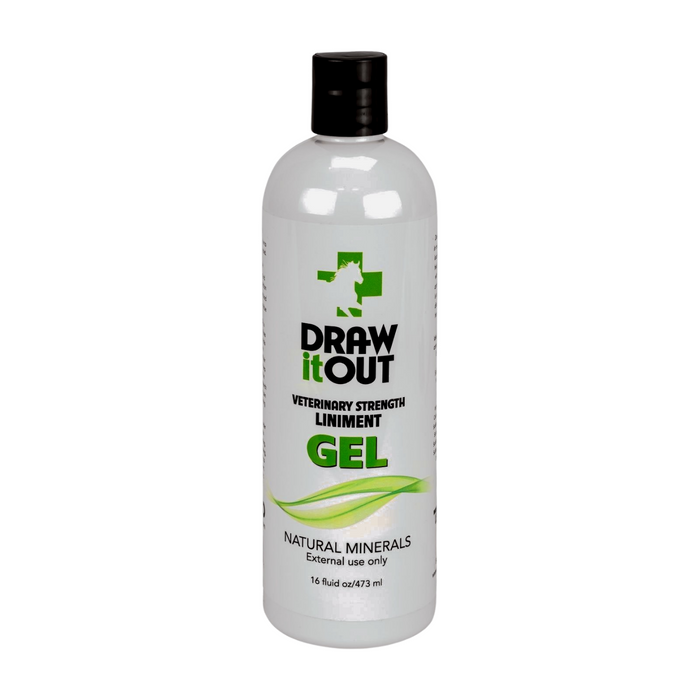
That is why so many riders end up preferring a calm, controlled liniment gel for targeted support and a straightforward fly routine that can actually be repeated. It is not boring. It is efficient.
When your horse accepts the product, your routine gets simpler. When the routine gets simpler, consistency goes up. When consistency goes up, results usually stop depending on luck.
Where to go next
Use the shortest path that matches what you are actually trying to solve.
FAQ
What is the biggest mistake riders make when reading horse care labels?
Stopping at the front label. The bigger truth is usually in the directions, the ingredient list, and whether the routine still works on busy barn days.
Should I trust a long-lasting claim on its own?
No. Read the directions that sit behind the claim. Real performance depends on sweat, turnout, coat condition, weather, washing, and how the product is actually used.
Are vague botanical claims a red flag?
They can be. Broad phrases are not automatically bad, but they should not replace a clear ingredient statement and practical directions.
Why does routine fit matter so much?
Because the best product on paper still loses if your horse dislikes it, the application is messy, or the timing is unrealistic. Repeatable care almost always beats dramatic care.
Where should I start if I want a quieter routine?
Start with a product category built for calm, repeatable use, then narrow from there. The Solution Finder and the Prehabilitation page are the fastest ways to sort that out.
Educational content only. Always follow label directions and make product decisions based on your horse, your conditions, and your program.