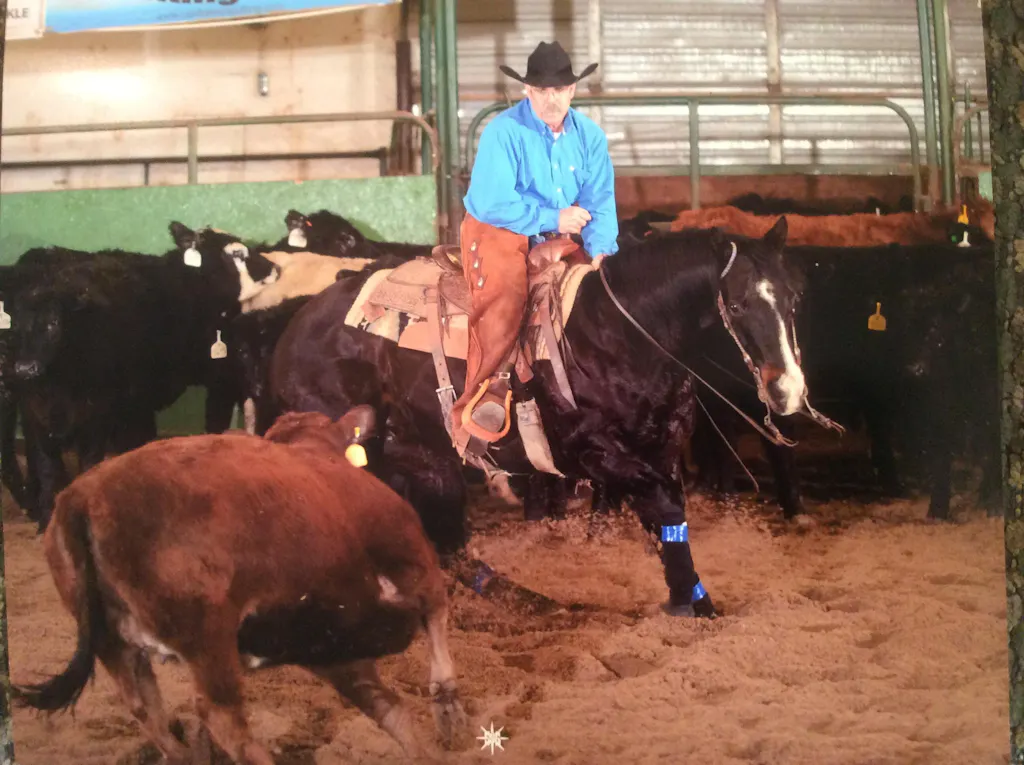
Horse Feels Different on Different Footing? That Pattern Matters
A horse that feels loose in one place and short, heavy, or uneven in another is not just being inconsistent. Hard ground, deep footing, and uneven terrain each change the load moving through the body. Sometimes the footing is not the problem at all. It is the thing exposing one.
Why footing changes the way a horse feels
The ground is not neutral. It changes what the body has to absorb, stabilize, and push through.
Hard ground increases concussion
Firm surfaces push more impact back up through the hoof, limb, and joint chain. A horse that is already a little sore or a little sensitive often feels shorter or tighter here first.
Deep footing increases effort
Soft, deep footing asks for more lift, more push, and more muscular work every stride. Horses with weakness, fatigue, or limited stamina often feel heavier here.
Uneven ground challenges balance
Ruts, rocks, and variable footing force constant adjustments. That can reveal coordination issues, hesitation, or a horse that suddenly feels less sure of where to put his feet.
Different footing reveals different limits
The same horse can feel fine in one environment and off in another. That does not always mean the footing caused the issue. Sometimes it simply showed you where the horse’s tolerance runs out.
What riders usually notice first
Most riders do not start with a diagnosis. They start with a feeling.
On hard ground
- shorter stride
- stiffer feel through the body
- less willingness to move forward freely
- more obvious discomfort in turns or transitions
In deep footing
- heavier movement
- faster fatigue
- loss of impulsion
- struggle to stay organized
On uneven ground
- hesitation
- short or careful steps
- increased tripping risk
- less confidence overall
Across locations
- feels fine in one arena but not another
- moves differently outside than inside
- better on one trail surface than another
- performance changes that do not seem random anymore
What different surfaces may be revealing
Surface-specific changes do not all point to the same thing. The pattern matters.
Worse on hard ground
This often lines up with joint sensitivity, concussion-related discomfort, or soreness that becomes more obvious when impact goes up.
Worse in deep footing
This tends to expose weakness, muscular fatigue, or a horse that has enough comfort on firmer footing but not enough strength reserve when effort increases.
Worse on uneven footing
This can reveal balance issues, coordination limits, or a horse that is struggling to organize the body when every step is slightly different.
Different in every environment
When you keep noticing the horse change with the ground, stop writing it off. Repeatable environmental sensitivity is a real clue, even before anything becomes dramatic.
Related reading: Horse Tripping or Stumbling Under Saddle
Pattern beats guesswork
One odd ride means very little. Repeated change under repeated conditions means much more.
- always short on hard ground
- always heavy in deep footing
- always hesitant on rough or uneven terrain
- always different when moving between arenas, trails, or surfaces
Quick rider checks before you dismiss it
Compare two surfaces close together
Ride on two different surfaces within a short window and notice whether the change is immediate or builds with time.
Watch stride and rhythm
Do not just ask whether the horse feels “better” or “worse.” Watch whether the stride gets shorter, heavier, less even, or less willing.
Track whether the pattern repeats
If it only happens once, keep it in mind. If it happens again and again on the same kind of footing, that matters.
Notice what comes with it
Tripping, resistance, loss of impulsion, or sudden tension alongside surface changes can help narrow the picture.
When not to brush it off
- clear discomfort on a specific surface
- hesitation or refusal tied to footing
- growing sensitivity over time
- paired with tripping, unevenness, or loss of confidence
Those are not harmless preferences. Those are early warnings that the environment is exposing something your horse is having trouble managing.
Support the horse between rides, not just during them
If footing changes seem to expose soreness, fatigue, or everyday wear, routine support matters. Use the Solution Finder to narrow down your best fit, build a better baseline through Prehabilitation, and browse the liniment collection for practical recovery support.
Also helpful: browse the full Draw It Out® collection.
FAQ: horse feels different on different footing
Why does my horse feel sore on hard ground?
Hard ground increases concussion and impact. If your horse is already a little sore, stiff, or sensitive, that surface often makes it more obvious.
Why does my horse struggle more in deep footing?
Deep footing requires more effort every stride. It can expose weakness, muscular fatigue, and reduced stamina faster than firmer surfaces do.
Can footing make a horse look uneven?
Yes. Certain surfaces can magnify discomfort, coordination issues, or balance problems that are less obvious somewhere else.
Is it normal for a horse to move differently in one arena than another?
Some variation is normal, but repeatable, noticeable differences should not be ignored. When one surface consistently changes the horse, that pattern is worth taking seriously.
What should I watch for when comparing footing?
Watch stride length, rhythm, willingness, fatigue, hesitation, and whether the change happens right away or only after some work.