Daily recovery
Liniment Gels
Explore the Draw It Out® liniment gel lineup for everyday use, post-work routines, and targeted recovery support.
Shop liniment gels
Draw It Out® Horse Health Care News
A small muscle flutter after work can look harmless. Whole-body trembling, painful stiffness, weakness, poor recovery, or dark urine can mean the horse needs immediate veterinary attention. The useful first move is observation—not another lap, forced stretching, or a product.
Quick answer: Stop the work, move the horse to a safe place, and watch breathing, attitude, movement, sweat, water interest, and whether the quivering is local or spreading. Contact your veterinarian promptly when trembling is persistent or worsening, or appears with pain, stiff or firm muscles, reluctance to move, weakness, abnormal sweating, dark urine, fever, colic signs, labored breathing, or a horse that is not recovering normally.
Horse owners use the words quivering, trembling, twitching, fluttering, and shaking to describe several different things. One rider may mean a small patch of skin or muscle moving under the coat. Another may mean the horse is visibly trembling through the shoulders, hindquarters, or whole body.
Those descriptions are observations, not diagnoses. The location, timing, duration, workload, weather, and the rest of the horse matter more than the word used. A short-lived local flutter after a harder-than-normal effort is a different picture from a horse that is stiff, distressed, sweating abnormally, or unwilling to walk.
Identify the exact area. A small patch along the shoulder or flank is different from trembling through the hindquarters, neck, and body.
Record whether it began during exercise, immediately after, during the wash-rack routine, after hauling, or after the horse stood for a while.
Without forcing movement, note stiffness, shortened steps, toe dragging, reluctance to turn, difficulty backing, weakness, or an unwillingness to move.
Watch whether breathing, attitude, and sweating are trending toward normal. A horse that is not settling deserves more attention than one improving steadily.
Write down duration, intensity, footing, hills, repeated transitions, speed work, heat, humidity, hauling time, and whether the effort exceeded the horse’s current conditioning.
Use gentle comparison only. Firm, painful, hot, swollen, or strongly guarded muscles are more concerning than a brief, painless surface flutter.
Note urine color, appetite, water interest, manure, temperature if you can take it safely, behavior, recent illness, feed changes, medications, supplements, or previous episodes.
A clear video of the quivering, posture, breathing, and a few safe steps can help your veterinarian understand a pattern that may disappear before examination.
A brief, localized twitch can occur around tired or recently used muscles, after a strong grooming touch, from skin sensitivity, or while the horse is settling after exertion. The rider still needs to watch the trend. It should not be used as proof that nothing is wrong.
Hot weather changes the threshold for concern. Quivering paired with prolonged heavy breathing, abnormal sweating, weakness, dullness, poor coordination, or failure to recover normally is not a routine topical-care question. Begin the appropriate cool-down response and contact your veterinarian when the horse is not settling.
This combination can fit a serious muscle problem, including a possible tying-up episode. Do not massage hard, force stretching, continue exercising, or make the horse walk simply because walking is part of a normal cool-out. Use the Horse Tied Up: What to Do Now guide and call your veterinarian.
Whole-body trembling can accompany pain, fear, cold exposure, illness, neurological problems, metabolic trouble, medication reactions, or other concerns. The horse’s temperature, behavior, movement, breathing, and recent history help determine urgency. Do not assume the cause from appearance alone.
If the quivering stops quickly, the horse is bright, moving normally, breathing and sweating return toward baseline, and no red flags are present, keep the rest of the routine quiet and observable.
The Horse Cooling & Post-Ride Recovery Routine provides a broader cool-out and next-check path. For a horse that simply feels “off,” use the When Your Horse Feels Off symptom hub.
Draw It Out® belongs in the external, routine-care lane after the horse has cooled, recovered normally, passed the basic movement and body checks, and has intact skin. It does not diagnose muscle disease, treat tying-up, correct heat illness, or make an unsafe horse ready to work.
For ordinary post-work body support, Draw It Out® 16oz Liniment Gel gives riders a targeted, label-directed option. Apply only as directed and do not use a topical to cover pain, force continued work, or postpone a needed veterinary examination.
Use the What Does My Horse Need? Solution Finder when the correct care lane is not clear, or compare the active Draw It Out® Liniment collection.
Possible explanations range from a brief local muscle flutter or fatigue to heat stress, pain, a muscle disorder, illness, or another whole-horse problem. Location, duration, movement, recovery, weather, and accompanying signs matter more than the word “quivering.”
Do not force movement when the horse is painful, markedly stiff, weak, reluctant to move, poorly coordinated, or not recovering normally. Stop work and call your veterinarian for instructions.
Dark red or brown urine after exercise can accompany serious muscle damage and requires prompt veterinary guidance, especially when paired with stiffness, pain, sweating, weakness, or reluctance to move.
Hydration and electrolyte status can be part of the exercise-recovery picture, but trembling should not be diagnosed from one assumption. Check the whole horse and involve your veterinarian when recovery is abnormal or other warning signs are present.
Check and cool the horse first. Liniment belongs only in a label-directed external routine after the horse has recovered normally, no red flags are present, and the skin is intact. It does not diagnose or treat a muscle emergency.
Continue through the Horse Health Library for rider-first guides covering movement, heat, hydration, skin, hooves, hauling, and veterinary red flags.
Educational support only. This article does not diagnose or treat muscle disorders, heat illness, neurological problems, tying-up, or other veterinary conditions. Contact your veterinarian for persistent or worsening trembling, pain, stiffness, weakness, abnormal urine, poor recovery, fever, colic signs, abnormal breathing, or any meaningful change from the horse’s normal baseline.
This article gives you the background. If you are ready to put the idea into a real horse care routine, these are the next places most riders should go.
Explore the Draw It Out® liniment gel lineup for everyday use, post-work routines, and targeted recovery support.
Shop liniment gelsMatch your horse’s workload, age, routine, and care goals to the Draw It Out® products that make the most sense.
Use the finderLearn how riders support soundness, comfort, and consistency before little issues become bigger problems.
Read the guideReal Barn Proof
Real riders. Real horses. Real routines. These clips rotate automatically so the proof stays fresh without weighing the page down with a long feed.
Why this matters: good horse care should make sense outside the ad. These clips show the kind of everyday use that builds trust one barn at a time.
Further Reading
Horse care works better when the next step is clear. These related reads help connect today’s topic to better daily decisions in the barn.

Jul 09, 2026
A claim-safe process for building a simple horse supplement routine around one defined need, the complete diet, measurable baselines, and prof...
Read article
Jul 09, 2026
A next-morning horse check for movement, feet, limbs, hydration, appetite, recovery, professional-care red flags, and ordinary topical care.
Read article
Jul 09, 2026
A practical winter horse hydration guide covering water access, measured intake, salt, manure, electrolyte decisions, and veterinary red flags.
Read articleStart with the principle, then build the habit. The right article should make the next barn decision easier, not more complicated.
Next Step
Simple care guides, practical product paths, and rider-trusted tools built for real horses and real routines.
Good care gets easier when the next step is obvious. Read the guide, match the routine, then choose the format that fits how your barn actually works.
Recovery Routine
Want a smarter way to think through post-ride care, heat, swelling, leg support, and daily recovery decisions? Start with the Performance Recovery Hub.
Better recovery starts with a repeatable routine. The hub gives riders a clearer path from workload to product format to aftercare timing.
Rider Favorites
Four core Draw It Out® staples riders keep close for daily recovery routines, wash rack use, targeted support, and quick barn-side care.
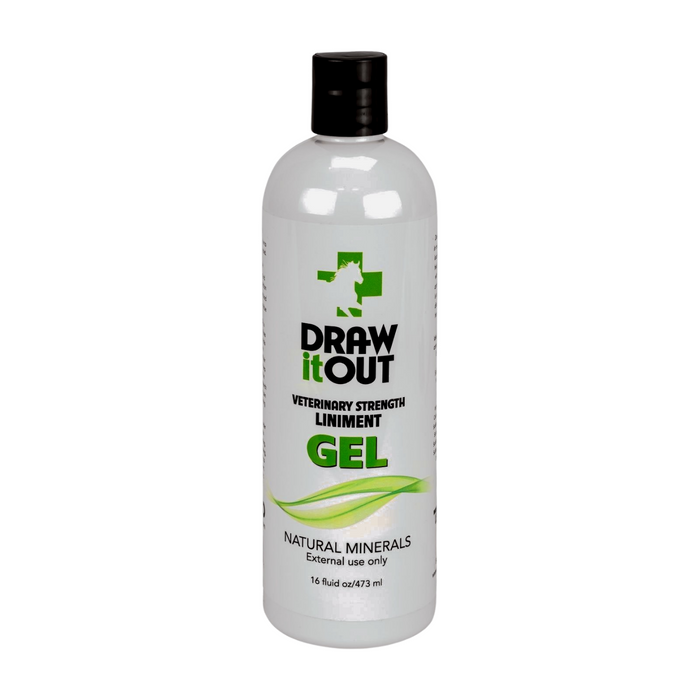
Stay-Put Gel
The everyday liniment gel format riders reach for when they want targeted, no-mess application.
View product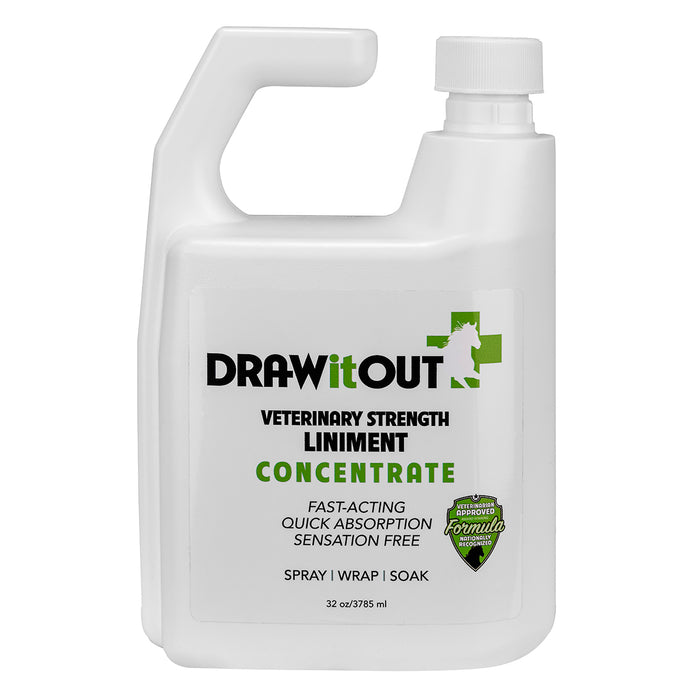
Mix Your Way
A flexible concentrate for riders who want to mix their own routine around workload and barn needs.
View product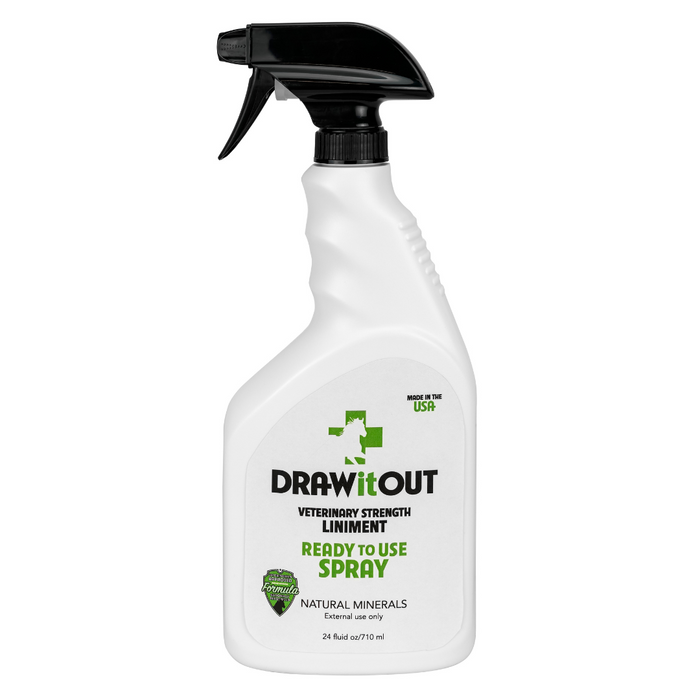
Ready To Use
A ready-to-use spray format for quick application after work, travel, turnout, or daily care.
View product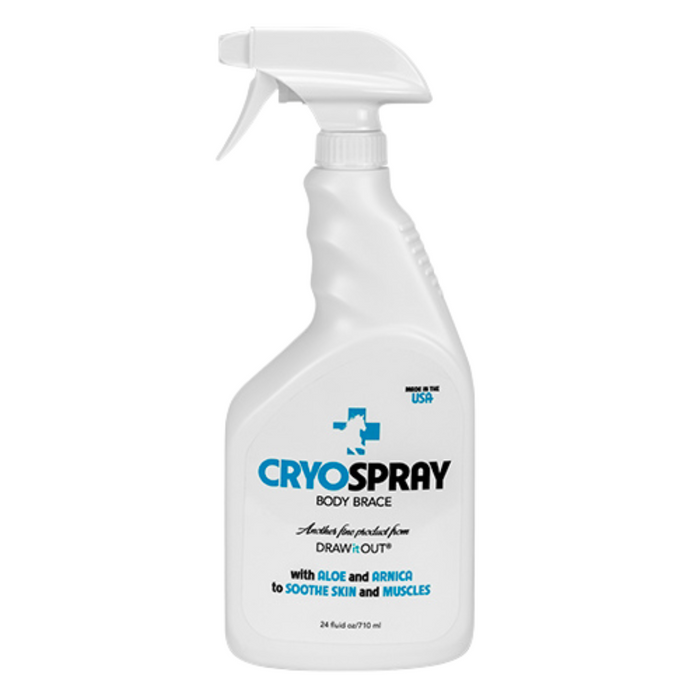
Cooling Brace
A cooling body brace spray for riders who want a fast, practical option after hard work or hot days.
View productFormat matters. Gel, concentrate, ready-to-use spray, and cooling spray each solve a different barn problem. Pick the one your routine will actually use.
!