


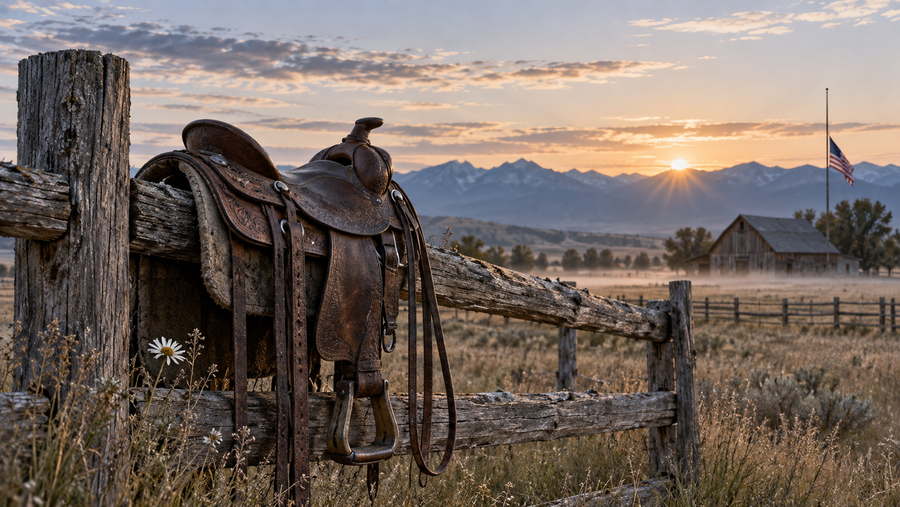
La selle vide : le souvenir d’un cavalier, à l’occasion du 25e anniversaire du 11 septembre 2001
Le souvenir, dans le calme, d’un cycliste pour les vies perdues le 11 septembre et le devoir que nous partageons de transmettre leur histoire.
Livraison gratuite aux États-Unis dès 50 $
Détails de livraison
Build a winter horse budget by listing your actual recurring bills, adding seasonal expenses and scheduled care, then deciding what remains for optional purchases. Use your own invoices. A national average cannot tell you what hay delivery, board, or farrier visits cost at your barn.
A sale can save money on something you already need. It can also turn a tidy tack room into a storage unit full of good intentions. Before the holiday offers arrive, give every purchase a job.
| Category | What goes here | What to record |
|---|---|---|
| Routine commitments | Board or facility costs, feed, bedding, scheduled care | Amount, due date, and what is already included |
| Winter changes | Delivery charges, planned repairs, blanket cleaning, backup care | Actual quote and when payment is needed |
| Optional purchases | Extra tack, duplicate supplies, upgrades, gifts | Purpose, spending limit, and whether it can wait |
Keep an emergency reserve as a separate line. Choose an amount that fits your circumstances and discuss likely emergency arrangements with your veterinarian. Do not quietly count the same dollars as both your reserve and your shopping budget.
Suppose, purely as an example, a service costs $120 every six weeks. Its average monthly cost is about $87: $120 × 52 ÷ 6 ÷ 12. That is a planning illustration, not a farrier quote or a recommended care schedule.
Record the actual appointment dates too. An average helps you set money aside, but it does not change when an invoice is due. Use the same approach for annual or quarterly expenses you already know are coming.
If you board, ask for clarity before adding estimates. Does the agreement include bedding, blanketing, holding for appointments, or a specific feed allowance? If you keep horses at home, list delivery, maintenance, and utility costs that would otherwise disappear into household spending.
Write down uncertainty as a question to resolve. “Ask about holiday care coverage” is more useful than putting zero in the budget because no invoice has arrived yet.
For your liniment shelf, start with our guide to choosing the liniment you actually need. A larger package only earns its place if its format and quantity fit your routine.
Before checkout, answer three questions: What job will this do? What do I already own that does that job? Which budget line pays for it?
If the answers are clear, a planned purchase may make sense. If they are vague, put the item on a waiting list. Your horse does not measure your commitment by the number of packages delivered.
There is no single useful number for every owner. Build yours from location, boarding arrangements, the horse's needs, and current provider quotes.
No. Compare usable quantity, storage space, delivered cost, and the cash tied up. A lower unit price is only one part of the decision.
Review optional upgrades, duplicates, and unused subscriptions first. Discuss changes to the horse's care with the relevant professional rather than extending a schedule simply to make the spreadsheet balance.
For a closer look at oversimplified care budgets, read the $1-a-day horse-care rule. A useful budget protects the work that matters and gives everything else a clear limit.
Le souvenir, dans le calme, d’un cycliste pour les vies perdues le 11 septembre et le devoir que nous partageons de transmettre leur histoire.
Un hommage, à l’occasion de la fête du Travail, au travail invisible des véritables cavaliers : les réveils aux aurores, les nuits tardives, les choix difficiles et la...
Check footing, gate swing, latches, and backup routes before leading a horse out after a freeze. Includes a simple handoff for the next barn shift.
!

