ReJüv™ Recovery Journal
Topical Gel vs Cream vs Balm: A Label-First Format Guide
Gel, cream, balm, lotion, and ointment are format words. They can tell you something about texture and routine fit, but they do not tell you whether a product is a drug, what it is intended to do, how it should be used, or whether it belongs on your skin.
What is the practical difference between a gel, cream, balm, lotion, and ointment?
| Format | Common feel | Practical strengths | Possible tradeoffs |
|---|---|---|---|
| Gel | Often light, smooth, and quick to spread. | Controlled application, easier cleanup, useful when clothing or work follows. | Some gels may dry quickly or feel tacky. Ingredients and base vary. |
| Cream | Usually richer than a gel and often built as an oil-and-water emulsion. | Comfortable for people who prefer a softer, more moisturizing feel. | May transfer more easily or feel heavier under clothing, depending on the formula. |
| Balm | Commonly waxier, thicker, and more targeted. | Stays where placed and can suit small areas or barrier-style routines. | Can feel greasy, hold dirt, or be less convenient across a broad area. |
| Ointment | Usually the most occlusive and oily format. | Long contact and strong barrier properties can be useful when the label calls for them. | More transfer, more cleanup, and a poor fit for some work, heat, or clothing situations. |
| Lotion | Typically thinner and easier to pour or pump. | Fast coverage over a larger body area. | Less precise placement and easier runoff, depending on viscosity. |
These are tendencies, not guarantees. The U.S. Food and Drug Administration notes that topical format names do not precisely define every compositional or structural attribute of a product. A cream, gel, or ointment can be built in different ways, so the front label cannot replace the directions, warnings, ingredients, or Drug Facts panel. See the FDA discussion of topical formulation attributes.
What can the format name not tell you?
- Whether the product is an over-the-counter drug, prescription drug, cosmetic, barrier product, or wellness topical.
- What active or inactive ingredients it contains.
- Whether it creates heat, cooling, fragrance, color, residue, or skin sensitivity.
- Where it can be used and which areas must be avoided.
- How often it may be applied or whether it can go under clothing, braces, or wraps.
- Whether it is labeled for people, horses, dogs, or another intended user.
A scientific review of common topical vehicles also emphasizes that the vehicle affects application, contact, user experience, and adherence, while the correct choice depends on the actual formulation and intended use. Review the topical vehicle comparison.
That is why menthol-free vs menthol is a separate decision from gel vs cream. One question is about sensation and labeling. The other is about format and routine fit.
What is the five-question format check?
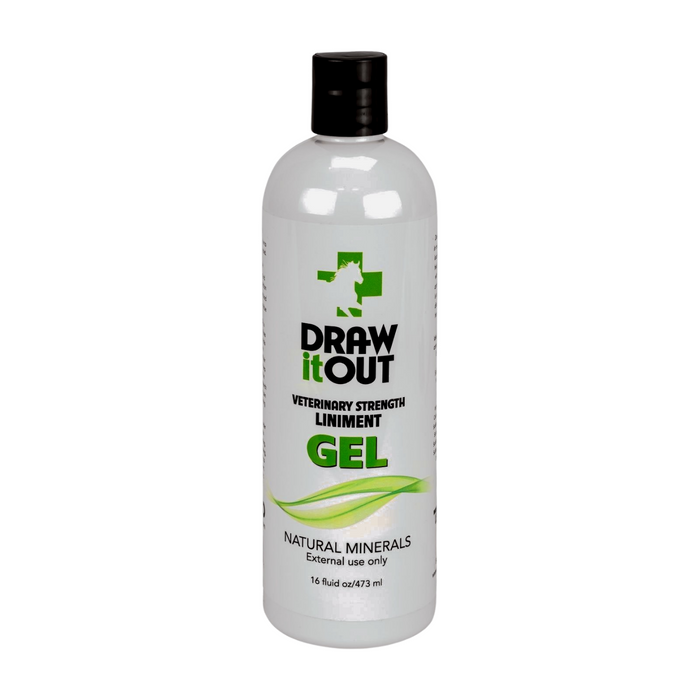
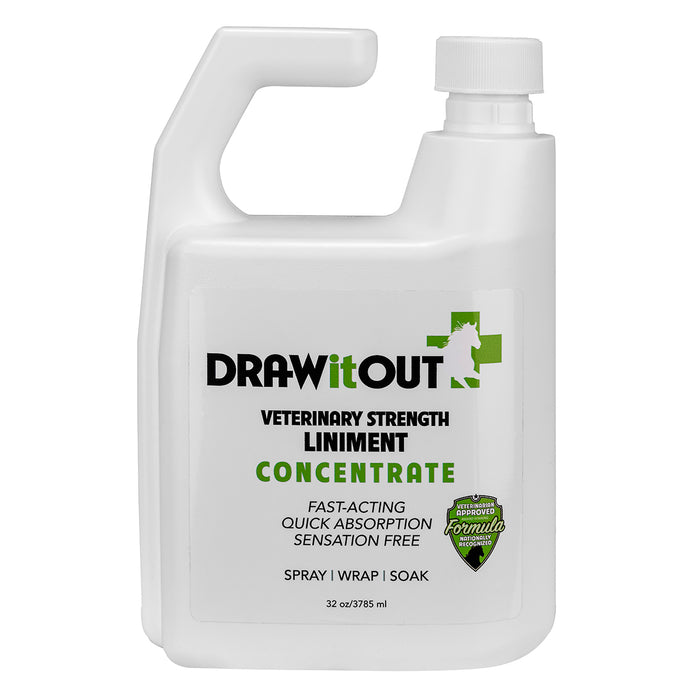
- Who is the product for? Use a human-labeled product on people. Draw It Out® is horse care, K9 Advanced™ is dog care, and ReJüv™ is the people lane.
- What category is it? If you are trying to treat a diagnosed condition or pain, look for the appropriate Drug Facts or prescription label and use professional guidance. A wellness gel is not a substitute.
- How does it fit the setting? Consider boots, sleeves, gloves, tools, tack, heat, dust, travel, shared spaces, and whether you can wash your hands.
- Can you follow the directions consistently? A format that feels impressive but is too messy, scented, hot, or inconvenient may never become a repeatable routine.
- What would make you stop? Know the skin and medical red flags before the first application.
Which topical format fits riders, ranchers, drivers, and tradespeople?
When you return to work or clothing
A lighter gel may fit when you need controlled placement, a quieter dry-down, and less residue around shirts, jeans, socks, or work gear. Let any topical dry as directed before clothing or equipment.
When skin barrier is the main purpose
A cream, balm, or ointment may make more sense when its label is specifically designed for moisturizing, barrier support, or protecting skin. Do not substitute a wellness gel for a skin-condition product or vice versa.
When a large area needs coverage
A thinner lotion can spread efficiently, but efficient coverage is not permission to apply it everywhere. Follow placement limits and avoid broken or irritated skin unless the exact label says otherwise.
When heat and dirt are part of the day
Greasy or heavily scented products can be awkward in a dusty barn, hot truck, shared cab, or close working environment. The best format is the one whose directions, feel, and cleanup you can follow without improvising.
Where does ReJüv™ fit in the format comparison?
ReJüv™ is a human-labeled, menthol-free and capsaicin-free topical wellness gel. It is designed for people who prefer a low-odor, colorless, non-heating format that can become part of a normal work, travel, riding, or evening routine. It is not an arthritis medicine, injury treatment, anti-inflammatory drug, or proof that a symptom is safe to ignore.
Start with the topical recovery gel guide, review the published ReJüv™ ingredients, and compare package formats in the ReJüv™ size guide.
Shop ReJüv™ 8oz EZ Squeeze Gel
What safety boundaries apply to every format?
- Follow the current label for the exact product in your hand.
- Use ReJüv™ only on clean, dry, intact skin.
- Avoid eyes, mouth, broken skin, external heat, and improvised topical combinations.
- Patch-test sensitive skin and discontinue if irritation occurs.
- Do not assume that natural, botanical, menthol-free, warming, cooling, or odorless means risk-free.
- Seek medical care for severe, sudden, traumatic, unexplained, persistent, or worsening symptoms.
Topical format questions
Is a gel stronger than a cream?
No. The format name alone does not establish strength, medical effect, or suitability. Compare the full label, active ingredients when applicable, intended use, directions, and warnings.
Does faster absorption mean a product works better?
Not necessarily. Dry-down and skin feel affect convenience, but they do not prove a medical result. Use the label and intended purpose rather than sensation as the standard.
Are balms and ointments always greasy?
They are commonly more occlusive and waxy or oily than gels, but formulas vary. Test the actual product according to its directions instead of relying on the category name.
Why choose a menthol-free gel?
A menthol-free gel can fit people who do not want a cooling sensation or strong topical smell. That is a routine preference, not proof of treatment.
Can ReJüv™ replace an arthritis cream or prescription topical?
No. ReJüv™ is a topical wellness gel, not an arthritis drug or prescription treatment. Use medical products and professional guidance for diagnosed conditions.
General information only, not medical advice. Product formats and formulations vary. Follow the exact current label and seek professional care when symptoms are serious or do not improve.