Movement
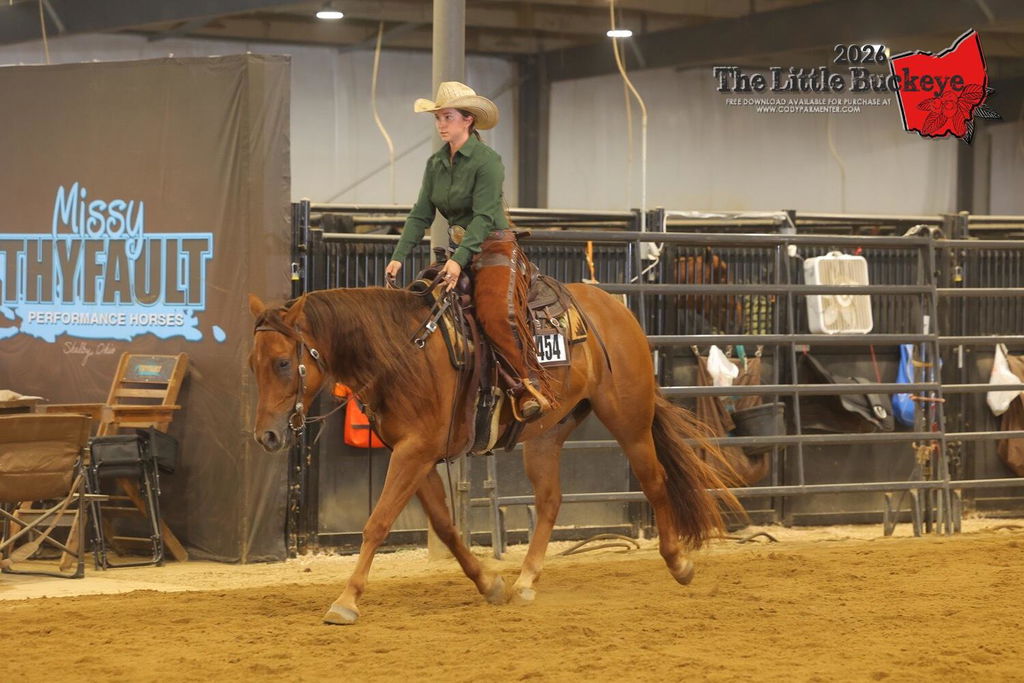
Watch several safe, straight walking steps. Look for shortened stride, toe drag, head movement, reluctance to turn, weakness, or a horse that seems uncoordinated. Do not force a trot when the horse looks painful.
Post-haul horse care
A horse may step off the trailer tired, tight, or stocked up after hours of balancing. The safe response is to inspect the whole horse before deciding that it is ordinary travel soreness.
Quick answer: Unload safely, let the horse settle, observe a quiet straight walk, and compare all four legs, feet, back, shoulders, hydration, temperature, breathing, appetite, and attitude. Mild, even stiffness that improves with comfortable movement may fit a normal post-haul pattern. Lameness, major swelling, pain, fever, cough, nasal discharge, abnormal breathing, colic signs, weakness, or a horse that will not drink needs veterinary guidance. Use a topical only after urgent problems and wounds have been ruled out.
A moving trailer asks the horse to make constant balance corrections through turns, braking, acceleration, road vibration, and uneven surfaces. Long standing, limited head movement, heat, poor ventilation, dehydration, unfamiliar horses, and the stress of loading can add to the workload. A difficult trip can also expose a shoeing problem, a boot rub, a fall, or a strain that was not obvious before loading.
That is why “just travel sore” should be a conclusion reached after a check, not the first assumption. The trip history matters: duration, stops, weather, ventilation, water offered, how the horse loaded, whether the horse scrambled, and whether anything shifted inside the trailer.
Watch several safe, straight walking steps. Look for shortened stride, toe drag, head movement, reluctance to turn, weakness, or a horse that seems uncoordinated. Do not force a trot when the horse looks painful.
Pick out the feet and compare limbs for heat, filling, tenderness, cuts, punctures, boot marks, a shifted shoe, or swelling that is much greater on one side.
Feel the neck, shoulders, withers, back, loin, hips, and tail area. Check halter, blanket, shipping boot, and divider contact points for rubs or pressure.
Note temperature, breathing, cough, nasal discharge, water intake, appetite, manure, urination, gum moisture, and attitude. A respiratory or digestive problem can begin around travel and is not a liniment problem.
Settle the horse in a safe area, complete the movement and body check, offer water, and avoid immediate work simply because the schedule is tight.
Recheck movement, temperature if appropriate, legs, appetite, water intake, manure, and urine. Clean sweat and dirt gently. If everything remains normal, quiet hand-walking or turnout may fit the horse’s established plan.
Compare the legs and body again. Record anything that changed. Do not stack several products or wrap an unexplained hot or swollen limb.
Watch the first steps before grooming. New stiffness, filling, cough, discharge, fever, appetite change, or reluctance to move means the horse has not simply returned to baseline.
A repeating pattern is useful evidence. Review trailer fit and width, divider position, footing and bedding, ventilation, loading behavior, route, driving style, shipping gear, shoeing timing, conditioning, hydration habits, and the amount of work scheduled after arrival. Take photos and notes from each trip rather than changing several variables at once. Persistent or one-sided soreness deserves a veterinary and performance-team review even if it improves by the next day.
One clear next step
When the horse is comfortable, moving normally, and the post-haul check shows no injury or illness red flags, Draw It Out® 16oz Liniment Gel offers ready-to-use, targeted external support for the ordinary travel-recovery routine.
Draw It Out® 16oz Liniment Gel
See the 16oz Liniment GelNot sure? Use the Solution Finder
Compare Gel vs Spray vs Concentrate
Join the rider list for horse-care guidance on travel checks, stocking up, hydration observations, and next-day recovery.
By signing up, you agree to receive Draw It Out® marketing emails relevant to horse care. Unsubscribe anytime.
Mild, even stiffness can occur after a horse balances for a long trip, but it should improve and return to the horse’s baseline. Pain, lameness, one-sided swelling, weakness, fever, or worsening stiffness is not a routine product decision.
Give the horse time to settle and complete a whole-horse check first. The appropriate rest and warm-up depend on trip length, conditions, the horse, and the work planned.
Fever together with cough, nasal discharge, abnormal breathing, depression, or appetite change can signal a respiratory problem. Know your horse’s normal baseline and contact your veterinarian for direction.
Liniment can support an ordinary external recovery routine after injury and illness concerns are ruled out. It cannot correct trailer fit, dehydration, a wound, respiratory disease, colic, or a musculoskeletal injury.
Educational support only. Travel can reveal injury or illness as well as ordinary fatigue. When the horse is painful, lame, febrile, distressed, weak, or not returning to baseline, involve your veterinarian.
We build every product for real riders who care as much as we do. No burn, no sting, no nonsense. Just clean, sensation-free relief built for real horses, real barns, and repeatable routines.
From barn aisle to show ring, Draw It Out® stands for one simple promise. Modern Performance, Proven Calm.
Pick the fastest next step. If you already know what you need, jump straight to the right lane.
!