

Sudden lameness
A horse may go from normal to very sore quickly. Dramatic lameness can happen with abscesses, but it can also happen with other serious problems.

Hoof abscess first steps
A hoof abscess can make a horse look dramatically lame, but it is not something to treat by guessing. The first job is to clean the hoof, observe what is happening, and call the right professional before the problem gets worse.
Quick answer: If you suspect a hoof abscess, stop work, pick and inspect the hoof, check for heat, digital pulse, sudden lameness, swelling, drainage, odor, or a puncture, then call your farrier or veterinarian. Do not dig into the hoof blindly. Do not use routine hoof-care products as an abscess treatment.
A hoof abscess often gets suspected when a horse suddenly looks sore, tender, or dramatically lame. Sometimes the horse looked fine the day before. Sometimes wet weather, mud, frozen ground, lost shoes, stone bruises, cracks, or white line issues are part of the story.
The important part is this: sudden hoof pain deserves a real check. Do not keep riding to see if the horse works out of it. Do not start digging into the sole. Do not assume it is thrush. Do not slap product on and hope.
Farrier and vet-first rule: If the horse is suddenly lame, painful, non-weight-bearing, swollen, or you suspect a puncture, call your farrier or veterinarian. Hoof pain can look simple and still need professional care.
Do not ride, lunge, or force the horse to move through sudden hoof pain.
Remove mud, bedding, stones, manure, and packed debris so you can see the sole, frog, white line, and shoe area.
Check for heat, stronger pulse, swelling, tenderness, smell, drainage, cracks, loose shoe, or anything different from the other feet.
Contact your farrier, veterinarian, or both depending on severity, signs, and whether puncture, swelling, or systemic illness is possible.
Only a qualified professional can confirm what is happening, but riders can spot useful clues. The clearer you are about what you see, the better conversation you can have with your farrier or veterinarian.
A horse may go from normal to very sore quickly. Dramatic lameness can happen with abscesses, but it can also happen with other serious problems.
Compare feet. A warmer hoof may be useful information, especially with tenderness or lameness.
If you know how to check digital pulse, note any difference. If you do not, ask your farrier or veterinarian to show you.
The horse may react when the sole, frog, heel, or hoof wall area is handled. Do not dig around trying to find the spot yourself.
Drainage at the sole, coronary band, heel bulb, or white line can occur. Keep it clean and involve the right professional.
Swelling above the hoof should raise the urgency. Call your veterinarian, especially if the horse is very painful or not acting right.
Thrush and hoof abscesses are different problems. They can both involve the hoof. They can both show up around wet, dirty, or compromised conditions. But they are not the same management question.
| Question | Hoof abscess concern | Thrush concern |
|---|---|---|
| Typical clue | Sudden pain, lameness, heat, pulse, localized pressure | Foul odor, black discharge, frog or sulcus breakdown |
| Urgency | Often more urgent, especially with severe lameness | Needs consistent hoof hygiene and care, but may not look as dramatic |
| Who to call | Farrier or veterinarian, depending on signs and severity | Farrier guidance is often useful, veterinarian if severe or complicated |
| What not to do | Do not dig blindly, ride through it, or guess at drainage | Do not ignore wet, dirty conditions or allow frog breakdown to continue |
| Product lane | Routine hoof products are not abscess treatment | Hoof hygiene products may fit a routine cleaning and maintenance plan |
Simple distinction: Abscess suspicion starts with professional evaluation. Thrush management starts with hoof hygiene, moisture control, and consistent farrier-informed care.
Many hoof abscess cases involve the farrier. Some need the veterinarian. Some need both. The safest move is to describe exactly what you see and let the severity guide the call.
| What you see | Who to call | Why |
|---|---|---|
| Sudden lameness with hoof heat or tenderness | Farrier or veterinarian | The horse needs a hoof exam and professional direction. |
| Non-weight-bearing lameness | Veterinarian promptly | Severe pain can have several causes and should not be guessed at. |
| Suspected puncture wound | Veterinarian promptly | Punctures can involve sensitive structures and need careful handling. |
| Loose shoe, trapped stone, or hoof wall issue | Farrier | A farrier can assess shoeing, hoof balance, and mechanical causes. |
| Fever, swelling up the limb, or horse not acting right | Veterinarian | Systemic signs or limb swelling require medical judgment. |
The wrong first step can make a hoof problem worse or delay the real answer. Keep the horse safe and avoid barn-aisle surgery.
Plain answer: Sudden hoof pain is not a sales moment. It is a stop, clean, observe, and call-the-right-person moment.
Hoof problems often show up when conditions swing between wet, muddy, dry, hard, frozen, and soft. Those changes can stress the hoof capsule, frog, sole, and white line. The answer is not panic. It is routine.
Good hoof management usually starts with clean turnout when possible, regular farrier care, daily hoof picking, footing awareness, and noticing changes before the horse becomes dramatically sore.
SilverHoof EQ Therapy® is not a hoof abscess treatment. It should not replace farrier care, veterinary care, drainage decisions, wrapping instructions, or professional diagnosis.
Where it can fit is the routine hoof hygiene lane, especially after the active issue has been addressed and your horse is back in a normal care plan. Think cleaning, consistency, hoof environment, and routine maintenance, not abscess cure.
Draw It Out® liniment gel or spray should not be positioned as abscess treatment. If a horse is sore because of a hoof problem, the hoof problem comes first.
After professional guidance, a body-care product may fit elsewhere in the horse’s routine if the horse has been compensating through the shoulders, back, or hindquarters. But do not use liniment to make yourself feel like you handled an undiagnosed hoof issue.
Correct order: Hoof diagnosis first. Routine body support second, and only where appropriate.
Once the farrier or veterinarian has addressed the issue, your job becomes consistency. Keep the area clean according to instructions. Follow wrapping or boot guidance. Watch for renewed pain, heat, drainage, swelling, odor, or lameness.
Do not rush back to work just because the horse looks better for one day. Follow professional guidance and make sure the hoof has enough time to return to normal function.
Hoof care is not separate from performance. A horse can have the best body-care routine in the world and still be stopped by a sore foot. Daily hoof picking, turnout management, moisture control, farrier schedules, and noticing subtle changes are all part of the long game.
That is prehabilitation. Not treating problems after they explode, but building a system that makes them harder to miss.
Possible signs include sudden lameness, hoof heat, a stronger digital pulse, localized tenderness, drainage, odor, or swelling above the hoof. A farrier or veterinarian should help confirm what is happening.
Stop work, pick and inspect the hoof, look for obvious debris, punctures, heat, swelling, tenderness, or drainage, then call your farrier or veterinarian. Do not dig into the hoof blindly.
No. Do not ride a horse that is lame or suspected of having a hoof abscess. Wait for professional guidance and soundness before returning to work.
No. A hoof abscess and thrush are different hoof problems. Thrush often involves odor and frog or sulcus breakdown. A suspected abscess often involves sudden pain, heat, pulse, or lameness. Get professional guidance if you are unsure.
Follow your farrier or veterinarian’s direction. Soaking may be recommended in some situations, but the right approach depends on what is actually happening in the hoof.
No. SilverHoof EQ Therapy® is not a hoof abscess treatment and should not replace farrier or veterinary care. It can fit routine hoof hygiene after the active issue is addressed and when product use is appropriate.
Call your veterinarian for non-weight-bearing lameness, suspected puncture, swelling up the limb, fever, severe pain, foul discharge, or a horse that is not acting normal.
Keep hooves picked, maintain regular farrier care, manage moisture when possible, watch wet/dry cycles, check turnout conditions, and address cracks, lost shoes, or hoof changes early.
That is the order. A hoof abscess is not the place to guess, dig, ride through, or let a product do the thinking. Use routine hoof-care products where they fit, but let farrier and veterinary guidance lead the serious calls.
Start Here
This article gives you the background. If you are ready to put the idea into a real horse care routine, these are the next three places most riders should go.
Simple rule: read the article for context, use the Solution Finder for direction, then build the routine around the product format your horse will actually use consistently.
Real Barn Proof
Real riders. Real horses. Real routines. These clips rotate automatically so the proof stays fresh without weighing the page down with a long feed.
Why this matters: good horse care should make sense outside the ad. These clips show the kind of everyday use that builds trust one barn at a time.
Further Reading
Horse care works better when the next step is clear. These related reads help connect today’s topic to better daily decisions in the barn.

Apr 14, 2026
A proper warm-up should open movement, not exhaust it. Here’s how to warm your horse up with intention, not excess.
Read article
Apr 14, 2026
A horse liniment label can sound clean and natural while still telling you almost nothing useful. Here is how riders can read vague claims lik...
Read article
Apr 13, 2026
A practical look at whether tendon boots and wraps raise heat in the lower leg, what that means for recovery, and how to build a calmer post r...
Read articleStart with the principle, then build the habit. The right article should make the next barn decision easier, not more complicated.
Next Step
Simple care guides, practical product paths, and rider-trusted tools built for real horses and real routines.
Good care gets easier when the next step is obvious. Read the guide, match the routine, then choose the format that fits how your barn actually works.
Recovery Routine
Want a smarter way to think through post-ride care, heat, swelling, leg support, and daily recovery decisions? Start with the Performance Recovery Hub.
Better recovery starts with a repeatable routine. The hub gives riders a clearer path from workload to product format to aftercare timing.
Rider Favorites
Four core Draw It Out® staples riders keep close for daily recovery routines, wash rack use, targeted support, and quick barn-side care.
Stay-Put Gel
The everyday liniment gel format riders reach for when they want targeted, no-mess application.
View product
Mix Your Way
A flexible concentrate for riders who want to mix their own routine around workload and barn needs.
View product
Ready To Use
A ready-to-use spray format for quick application after work, travel, turnout, or daily care.
View product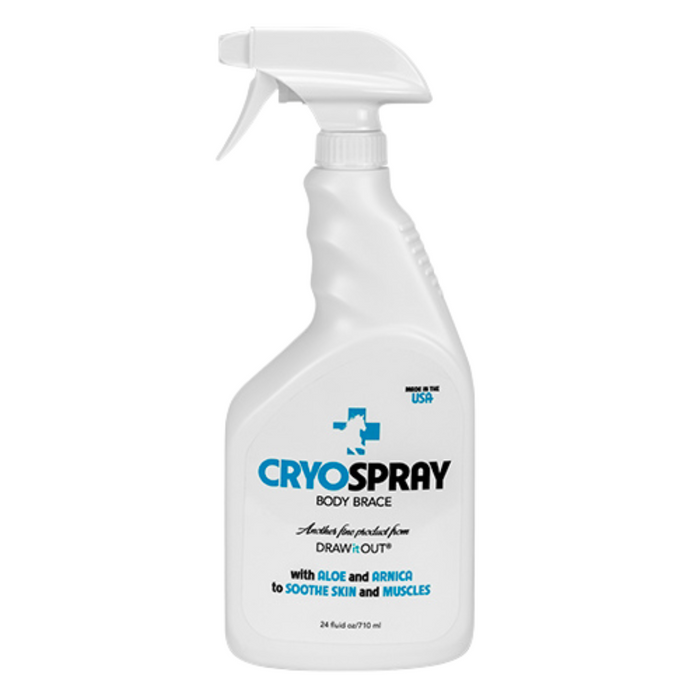
Cooling Brace
A cooling body brace spray for riders who want a fast, practical option after hard work or hot days.
View productFormat matters. Gel, concentrate, ready-to-use spray, and cooling spray each solve a different barn problem. Pick the one your routine will actually use.
!