EverydayFast U.S. shipping. Orders ship free at $50+. No code needed.Shop best sellers
Late winter hard ground can bruise soles fast. Watch for shorter stride, gravel sensitivity, and uneven landing, then adjust timing, trim balance, and recovery routines before spring training.
Seasonal hoof and leg care
Cold Weather Hoof Bruising: Protecting Soles During Late Winter Hard Ground
Late winter footing looks harmless until the morning freeze turns every track into a rigid rut. Hoof bruising usually is not one bad step. It is repeated, unforgiving impact that adds up before spring training even starts.
Excerpt Frozen mornings and rutted footing increase the risk of hoof bruising in late winter.Focus keywords cold weather hoof bruising, hard ground sole soreness, late winter hoof care
Why freeze hardened ground is so tough on soles
When daytime thaw refreezes overnight, the surface stops absorbing impact. Every frozen hoofprint becomes a hard edged impression that changes how the hoof loads.
Uneven loading on landing
More sole pressure with each step
Less surface give, more concussion
Stride adjustments that creep in quietly
Early warning: shorter stride on hard ground, reluctance on gravel, guarded turns, or a horse that looks fine in soft footing but not outside.
The performance ripple effect riders miss
When soles are sore, a horse protects the landing. That changes mechanics up the chain. What begins as a hoof level issue can shift breakover, reduce impulsion, and add stress to tendons and joints.
More toe first landings
Delayed breakover timing
Tighter turns and shorter stride on firm ground
Extra strain through lower limb structures
This is why late winter hoof management is structural, not cosmetic.
Prevention before peak season
Choose ride timing strategically
If you can, avoid faster work on fully frozen footing. Many barns find a safer window when the surface has softened slightly and has some elasticity.
Inspect soles weekly
Look for subtle changes: tenderness on gravel, new caution in turns, or a horse that suddenly prefers softer paths. A farrier or veterinarian can help confirm what you are feeling before it becomes a bigger problem.
Keep trim balance honest
Breakover matters more when the ground is hard. A balanced trim reduces the leverage and delay that can increase sole stress during freeze thaw transitions.
Support post ride recovery routines
Consistency matters more than intensity in this season. Calm, repeatable care that supports comfort and circulation helps horses stay resilient while footing varies day to day.
Future pacing: If you wait until the first obvious sore day, you lose a week you planned to build. Late winter is the easiest time to protect spring.
This is a prehabilitation window
Most riders react to visible soreness. Strong programs anticipate predictable stressors.
Hard mornings
Uneven turnout terrain
Rising spring workload
If you want the spring plan to stick, protect the foundation now.
FAQ
How can I tell hoof bruising from general stiffness?
Bruising often shows up as surface specific sensitivity, especially on frozen ground or gravel. General stiffness usually improves with warm up regardless of surface. When in doubt, involve your farrier or veterinarian.
Is it normal for soreness to disappear on softer footing?
Yes. That pattern is common when concussion is the driver. Soft arenas can mask what hard ground reveals.
When is it time to call the veterinarian?
Call if lameness is persistent, worsening, sudden, or severe, or if you see heat, swelling, or reluctance that does not improve with reduced impact. This article is educational and does not replace an exam.
Does shoeing prevent bruising?
Not always. Shoes can help, but hard uneven footing and balance issues can still create sole pressure and concussion. Protection is a full program: trim balance, footing decisions, and recovery routines.
What is the simplest late winter adjustment that helps most?
Work the surface you have, not the calendar you want. Shorten impact, choose the time of day with more give, and keep recovery routines consistent.
Where to go next
If you want the shortest path to the right routine, start with the quiz. If you want to build resilience long term, read Prehabilitation. If you want to browse formats, use the liniment collection.
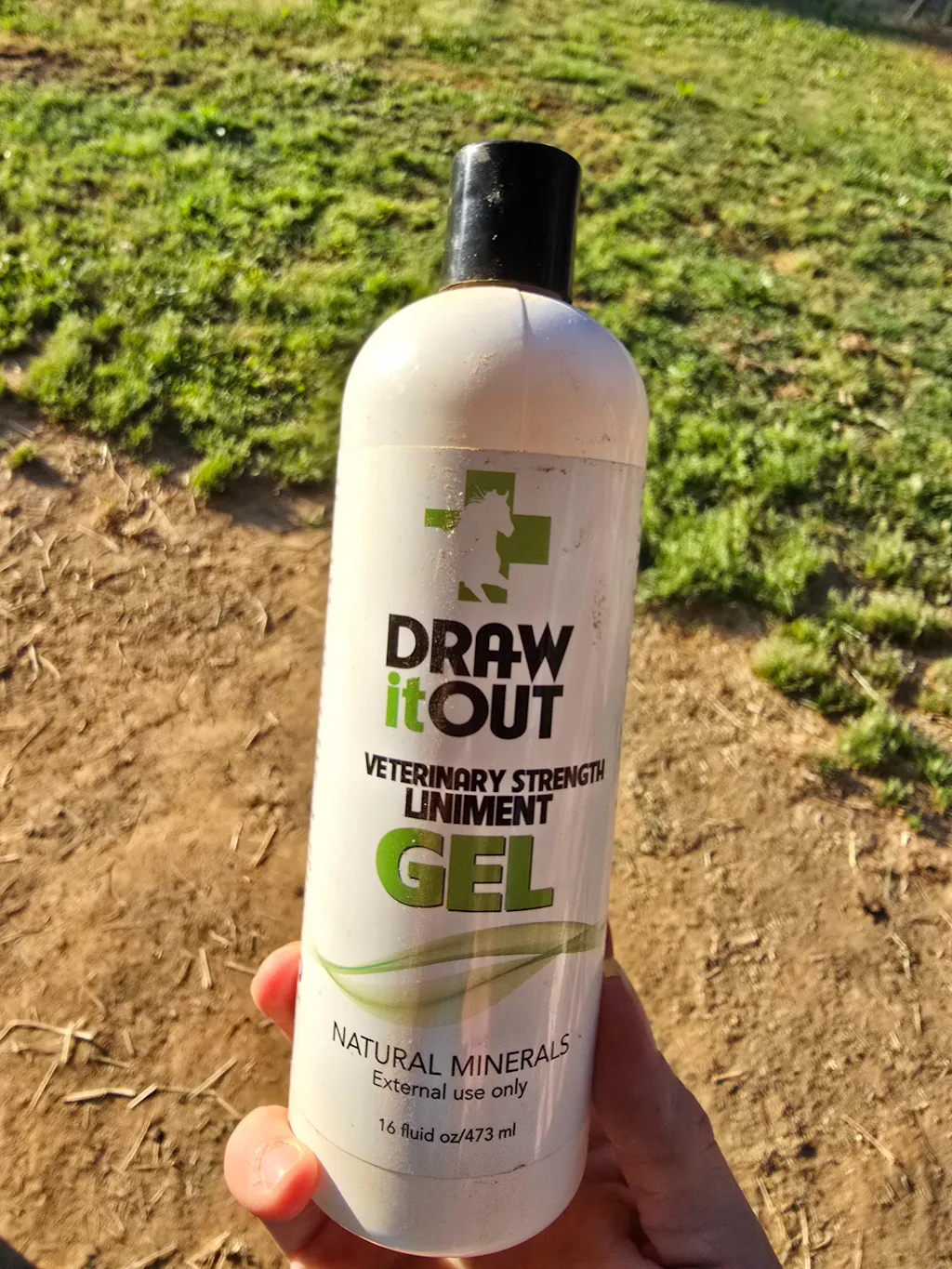
Alt text suggestion used: “Draw It Out® liniment gel used as part of a calm daily routine during winter footing changes.” Canonical URL: https://drawliniment.com/blogs/draw-it-out-horse-health-care-news/cold-weather-hoof-bruising-late-winter-hard-ground
GSC URL Inspection submission: Yes. This is a new URL targeting a distinct seasonal query set and should be submitted manually after publish.
Start here
Reading first? Here is the clean path.
This article gives you the background. If you are ready to put the idea into a real horse care routine,
these are the next places most riders should go.
Daily recovery
Liniment Gels
Explore the Draw It Out® liniment gel lineup for everyday use, post-work routines,
and targeted recovery support.
Simple rule: read the article for context, use the Solution Finder for direction,
then build the routine around the product format your horse will actually use consistently.
Real Barn Proof
What this looks like in real barns.
Real riders. Real horses. Real routines. These clips rotate automatically so the proof stays fresh without weighing the page down with a long feed.
Random rider clips
Why this matters: good horse care should make sense outside the ad. These clips show the kind of everyday use that builds trust one barn at a time.
Further Reading
Keep building the routine.
Horse care works better when the next step is clear. These related reads help connect today’s topic to better daily decisions in the barn.
Good care gets easier when the next step is obvious. Read the guide, match the routine, then choose the format that fits how your barn actually works.
Recovery Routine
Build a complete recovery routine.
Want a smarter way to think through post-ride care, heat, swelling, leg support, and daily recovery decisions? Start with the Performance Recovery Hub.
Format matters. Gel, concentrate, ready-to-use spray, and cooling spray each solve a different barn problem. Pick the one your routine will actually use.
Where To Go Next
Turn the idea into a routine.
If this topic connects to what you are seeing in your horse, these are the three cleanest next steps. Start with direction, then choose the product format that fits the way your barn actually works.
Best next move: use the Solution Finder first when the issue is unclear. Go straight to the liniment gel collection when you already know the format you want.
Choosing a selection results in a full page refresh.
DRAW IT OUT® HORSE HEALTH CARE SOLUTIONS
Made for riders who expect things to work.
Purposefully designed formulas for horses, dogs, and the people who care for them. Practical products, real education, and support built for everyday barns.
I've been using this gel for years. My horses love this product! As soon as they see the bottle come out I swear they smile. I've used it for soreness and inflammation I seen results pretty quick. I've used it before or after workouts and noticed it working both times.
Thank you so much, Crystal! Hearing that you’ve trusted Draw It Out® 16oz Liniment Gel for years means a lot to us. We love that it’s become part of your before-and-after workout routine, and the image of your horses recognizing the bottle made our day. Appreciate you taking the time to share this.