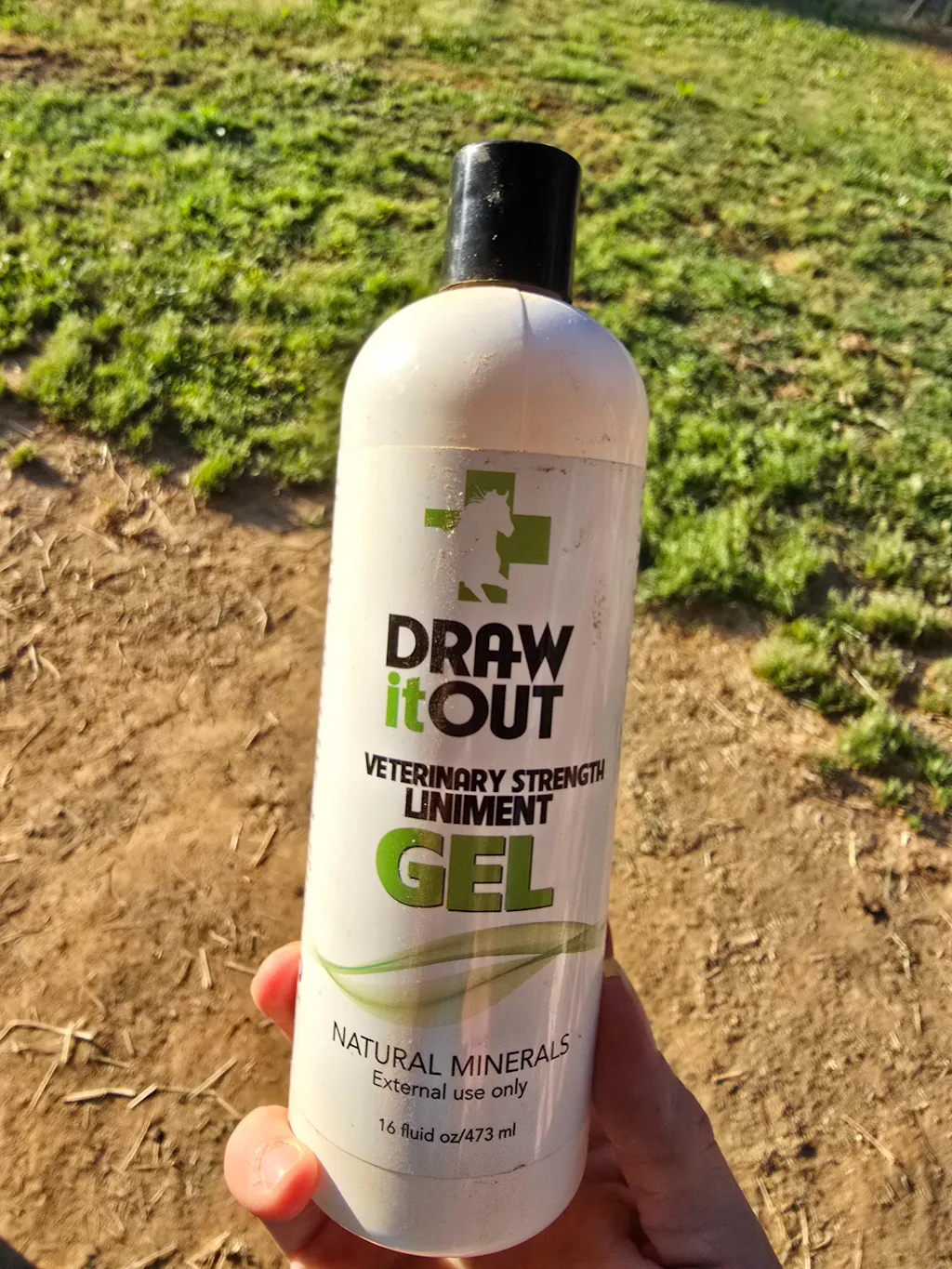
Daily recovery
Liniment Gels
Explore the Draw It Out® liniment gel lineup for everyday use, post-work routines, and targeted recovery support.
Shop liniment gels
Draw It Out® Horse Health Care News
Different liniments use different bases and directions. Smart riders read the product in their hand before use, storage, travel, or layering it into a routine.
Horse people love shortcuts, but product safety is not the place to wing it.
One liniment may be a gel. Another may be a spray. Another may have strong sensation, strong scent, or different storage requirements. Treating every bottle the same is sloppy barn management.
The label on the bottle beats barn gossip.
Draw It Out® Liniment Gel is designed as a clean, odorless, colorless gel for practical horse-care routines. Riders should still follow the current label, use it on appropriate skin, and store it responsibly.
Liniment safety is practical: read the label, store it correctly, use it on the right skin, and stop treating all barn bottles like they are interchangeable.
This article gives you the background. If you are ready to put the idea into a real horse care routine, these are the next places most riders should go.
Explore the Draw It Out® liniment gel lineup for everyday use, post-work routines, and targeted recovery support.
Shop liniment gelsMatch your horse’s workload, age, routine, and care goals to the Draw It Out® products that make the most sense.
Use the finderLearn how riders support soundness, comfort, and consistency before little issues become bigger problems.
Read the guideReal Barn Proof
Real riders. Real horses. Real routines. These clips rotate automatically so the proof stays fresh without weighing the page down with a long feed.
Why this matters: good horse care should make sense outside the ad. These clips show the kind of everyday use that builds trust one barn at a time.
Further Reading
Horse care works better when the next step is clear. These related reads help connect today’s topic to better daily decisions in the barn.

May 20, 2026
A practical warm-weather horse care routine for checking heat, sweat, breathing, legs, hydration, and recovery needs after untacking.
Read article
May 19, 2026
A practical horse health guide to checking girth-area sweat marks, hair flattening, rub risk, tack fit clues, and post-ride care before irrita...
Read article
May 18, 2026
A practical horse recovery kit checklist for tack rooms, trailers, show boxes, and everyday barn routines. Learn what to keep on hand, what to...
Read articleStart with the principle, then build the habit. The right article should make the next barn decision easier, not more complicated.
Next Step
Simple care guides, practical product paths, and rider-trusted tools built for real horses and real routines.
Good care gets easier when the next step is obvious. Read the guide, match the routine, then choose the format that fits how your barn actually works.
Recovery Routine
Want a smarter way to think through post-ride care, heat, swelling, leg support, and daily recovery decisions? Start with the Performance Recovery Hub.
Better recovery starts with a repeatable routine. The hub gives riders a clearer path from workload to product format to aftercare timing.
Rider Favorites
Four core Draw It Out® staples riders keep close for daily recovery routines, wash rack use, targeted support, and quick barn-side care.
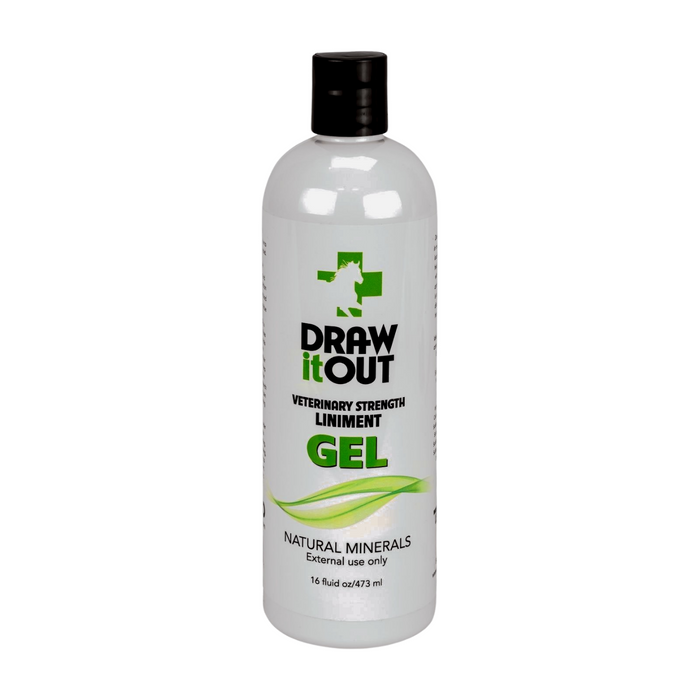
Stay-Put Gel
The everyday liniment gel format riders reach for when they want targeted, no-mess application.
View product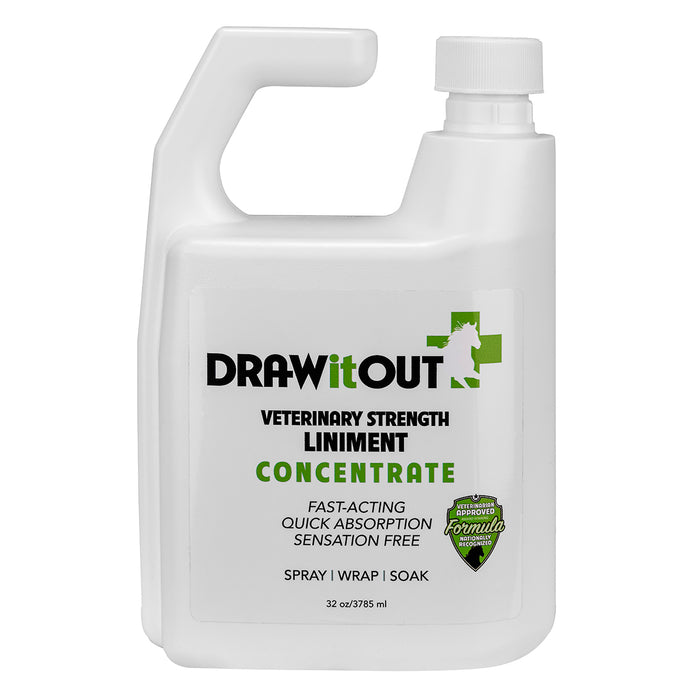
Mix Your Way
A flexible concentrate for riders who want to mix their own routine around workload and barn needs.
View product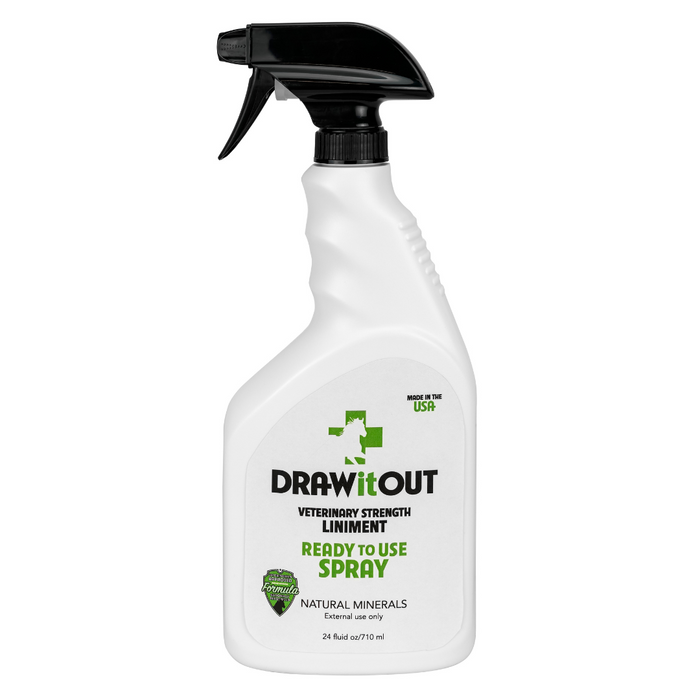
Ready To Use
A ready-to-use spray format for quick application after work, travel, turnout, or daily care.
View product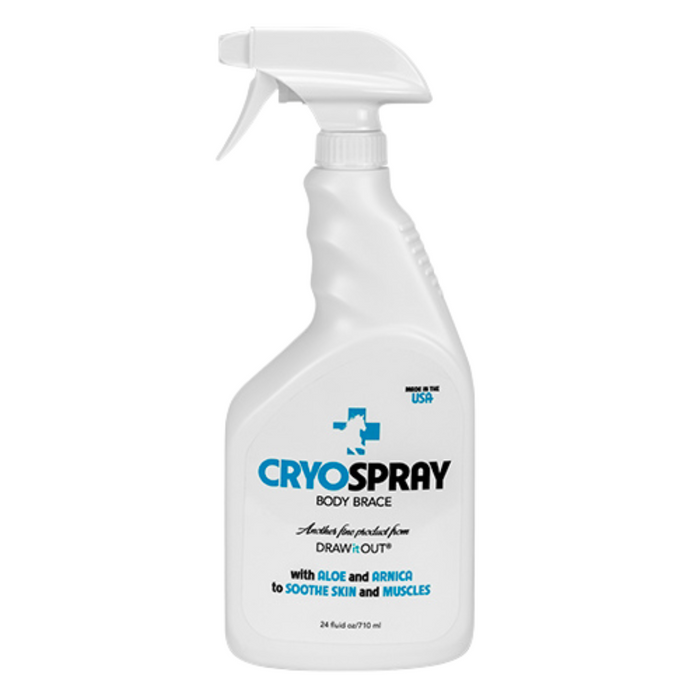
Cooling Brace
A cooling body brace spray for riders who want a fast, practical option after hard work or hot days.
View productFormat matters. Gel, concentrate, ready-to-use spray, and cooling spray each solve a different barn problem. Pick the one your routine will actually use.
!