


Daily recovery
Liniment Gels
Explore the Draw It Out® liniment gel lineup for everyday use, post-work routines, and targeted recovery support.
Shop liniment gelsFree U.S. shipping at $50+
No code needed.
Shipping details
A stronger-than-normal digital pulse is an observation worth respecting, not a diagnosis to guess at. Sometimes a pulse feels easier to find after exercise, heat, or a change in circulation. A clearly stronger, bounding, or one-sided pulse—especially with hoof heat, tenderness, altered movement, or a horse that is not standing normally—belongs in a veterinarian or farrier conversation.
If your horse’s digital pulse feels stronger than normal, let the horse stand quietly, compare the same location on all four legs, check hoof temperature, watch the horse walk and turn only if it is safe, and review recent work, footing, shoeing, feed, illness, and injuries. Call your veterinarian promptly when the pulse is bounding, the hoof is hot, the horse is lame or reluctant to turn, weight is being shifted repeatedly, or more than one foot is affected.
The digital arteries carry blood down the lower leg toward the foot. Riders commonly feel the pulse near the back and sides of the fetlock or pastern, where the vessels can be located with the fingertips. In many healthy horses at rest, the pulse is faint or difficult to find. The useful comparison is not whether you can feel any pulse at all. It is whether the pulse is meaningfully different from that horse’s normal baseline or from the other feet.
Technique matters. A pulse can seem stronger when you press too hard, use a different hand position, check immediately after strenuous work, or compare one leg in a different spot. That is why the pattern across all four feet matters more than one rushed check.
A one-foot pattern may point toward a local hoof or lower-leg concern. Check recent rocky ground, a sprung shoe, a nail issue, sole tenderness, a puncture, swelling, or a developing hoof problem. Do not dig into the sole or attempt to prove the cause at home.
A bilateral front-foot pattern deserves particular attention when the horse is reluctant to turn, takes short careful steps, rocks weight backward, or repeatedly shifts weight. Contact your veterinarian rather than assuming ordinary post-work soreness.
Check whether the horse has fully recovered from exercise or heat, but do not dismiss a persistent whole-horse change. Consider recent feed access, illness, medication, travel, dehydration concerns, and any broader change in attitude or movement.
Exercise can make circulation easier to feel temporarily. The important question is whether the pulse settles as the horse cools and recovers normally, or remains unusually forceful alongside heat, pain, or altered movement.
A stronger pulse can accompany several different situations, and the pulse alone does not identify which one is present. Possible contributors include recent exercise, heat, local hoof irritation, sole bruising, an abscess, shoeing pressure, a puncture, inflammation inside the foot, or a more serious multi-foot problem. The same outward clue can come from very different causes.
That is why riders should record the pattern and involve the right professional instead of selecting a treatment from a symptom list. Your veterinarian evaluates the whole horse and medical risk. Your farrier evaluates the foot, shoeing, sole, balance, and mechanical picture. Often the best answer comes from both.
A clear report is more useful than saying the foot “feels funny.” Record:
A short video of the horse walking straight and turning can help when your veterinarian says it is safe to obtain one. Do not create extra movement solely for the video if the horse is markedly painful.
A stronger digital pulse paired with hoof heat, lameness, or abnormal stance belongs in the professional lane first. Draw It Out® products do not diagnose laminitis, locate an abscess, correct shoeing pressure, treat a puncture, or make a painful horse safe to work.
After veterinary and farrier concerns have been addressed, routine hoof care can return to the ordinary maintenance lane. Silver Hoof EQ Therapy® 16oz is an active, label-directed option for a clean hoof, frog, heel, and lower-leg routine between farrier visits. It is not an acute hoof-pain product and should not be used to postpone an examination.
For a terrain-specific check, read Horse Front Feet Tender After Rocky Ground? What to Check. For broader routing, use the Horse Health Library or the What Does My Horse Need? Solution Finder.
Check your horse’s feet when everything is ordinary. A familiar baseline turns a vague concern into a useful observation—and helps the veterinarian or farrier act on better information.
A pulse can be easier to feel temporarily after exercise or in heat. It should be interpreted after the horse has settled and alongside hoof temperature, movement, stance, and the horse’s normal baseline.
No. A stronger pulse can occur with several hoof or lower-leg concerns. A bounding pulse in multiple feet, especially with heat, careful movement, reluctance to turn, or weight shifting, requires prompt veterinary evaluation.
Yes. Comparing the same location on all four legs helps distinguish a one-foot pattern from a bilateral or whole-horse change.
A localized hoof problem can be associated with a stronger pulse in one foot, but the pulse does not identify the cause. Let your veterinarian or farrier evaluate the foot rather than digging into the sole.
Do not use a topical to cover hoof heat, lameness, or an abnormal pulse. Address the veterinary or farrier concern first. Routine, label-directed hoof care belongs after acute concerns have been evaluated and the intended application area is appropriate.
Educational information only. This article does not diagnose or treat hoof pain, laminitis, abscesses, punctures, lameness, or circulation problems. Contact your veterinarian promptly for a bounding digital pulse, hoof heat, altered stance, reluctance to move or turn, sudden lameness, or a horse that is worsening.
This article gives you the background. If you are ready to put the idea into a real horse care routine, these are the next places most riders should go.
Explore the Draw It Out® liniment gel lineup for everyday use, post-work routines, and targeted recovery support.
Shop liniment gelsMatch your horse’s workload, age, routine, and care goals to the Draw It Out® products that make the most sense.
Use the finderLearn how riders support soundness, comfort, and consistency before little issues become bigger problems.
Read the guideReal Barn Proof
Real riders. Real horses. Real routines. These clips rotate automatically so the proof stays fresh without weighing the page down with a long feed.
Why this matters: good horse care should make sense outside the ad. These clips show the kind of everyday use that builds trust one barn at a time.
Further Reading
Horse care works better when the next step is clear. These related reads help connect today’s topic to better daily decisions in the barn.
Jul 25, 2026
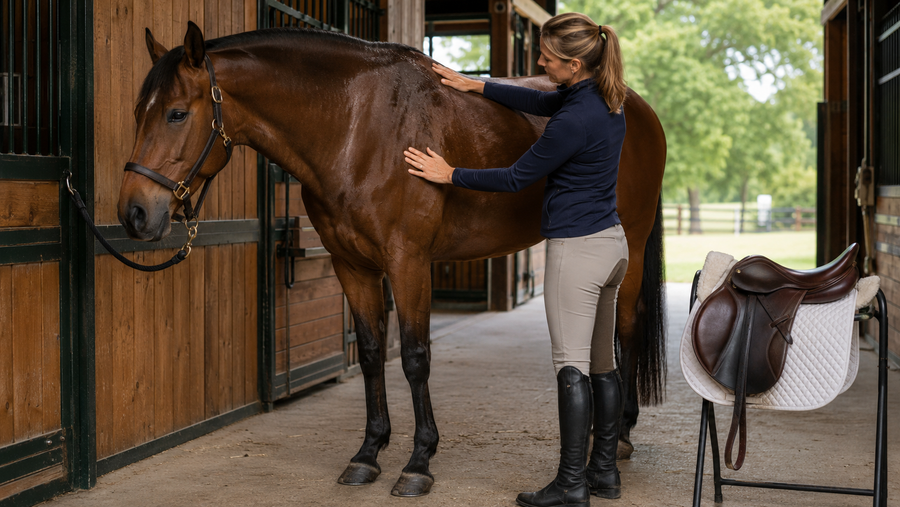
A practical horse health guide for saddle pressure marks after summer riding: sweat patterns, dry spots, pad fit, saddle balance, and when to ...
Read article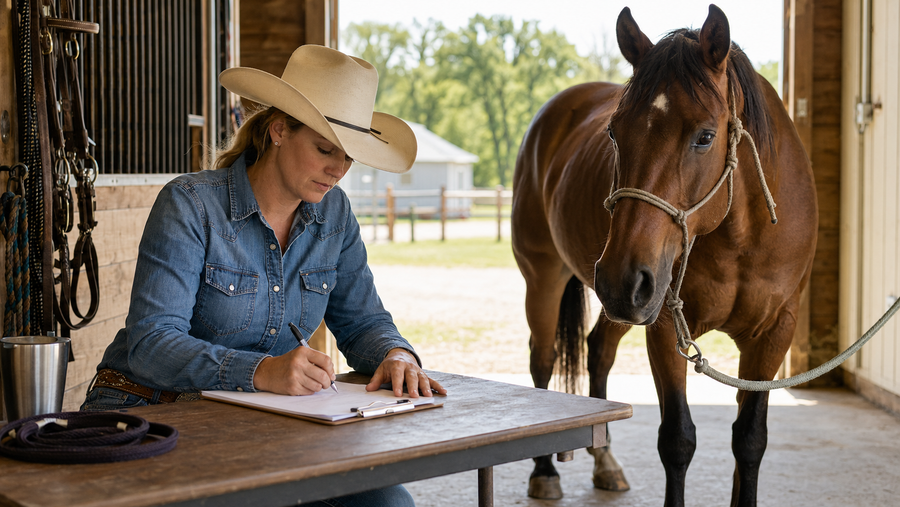
Jul 24, 2026
USDA is launching the first national study of U.S. equine health and management since 2015. Selected operations in all 50 states are receiving...
Read article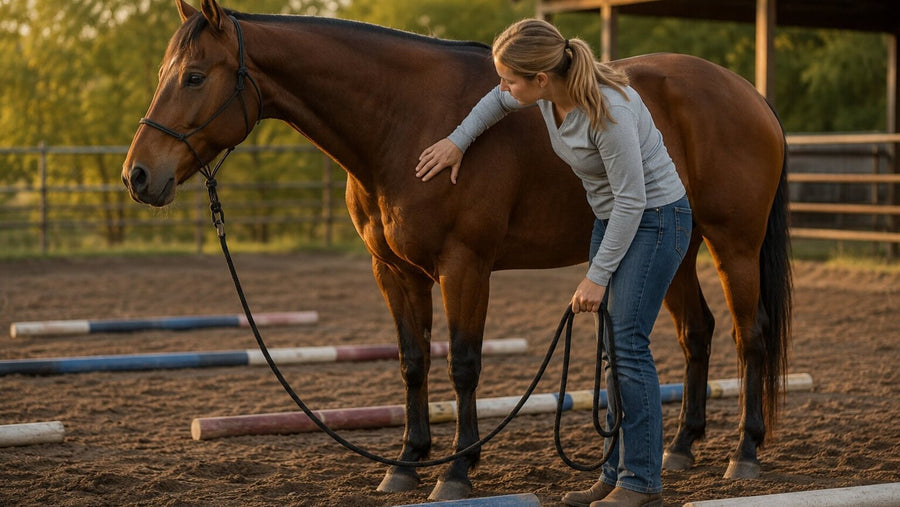
Jul 24, 2026
A practical guide to shoulder soreness after pole work, covering spacing, repetitions, footing, feet, tack, rider balance, veterinary red flag...
Read articleStart with the principle, then build the habit. The right article should make the next barn decision easier, not more complicated.
Next Step
Simple care guides, practical product paths, and rider-trusted tools built for real horses and real routines.
Good care gets easier when the next step is obvious. Read the guide, match the routine, then choose the format that fits how your barn actually works.
Recovery Routine
Want a smarter way to think through post-ride care, heat, swelling, leg support, and daily recovery decisions? Start with the Performance Recovery Hub.
Better recovery starts with a repeatable routine. The hub gives riders a clearer path from workload to product format to aftercare timing.
Rider Favorites
Four core Draw It Out® staples riders keep close for daily recovery routines, wash rack use, targeted support, and quick barn-side care.
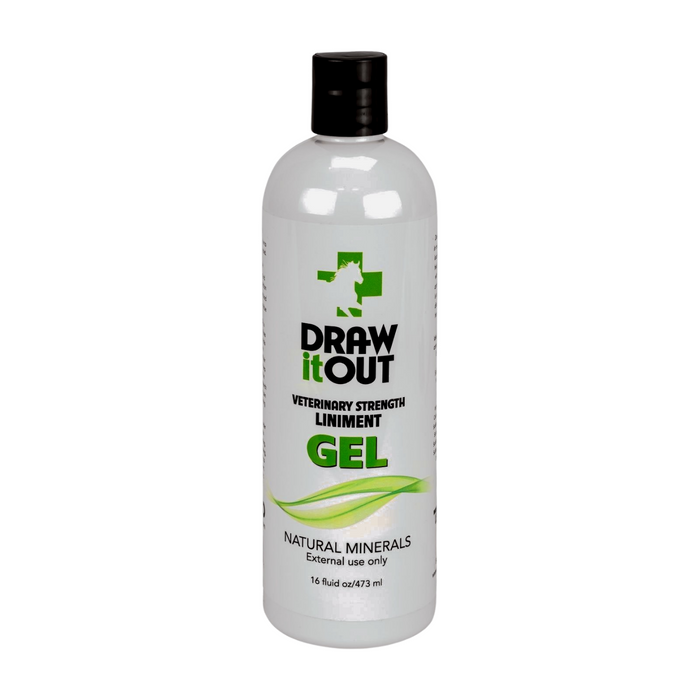
Stay-Put Gel
The everyday liniment gel format riders reach for when they want targeted, no-mess application.
View product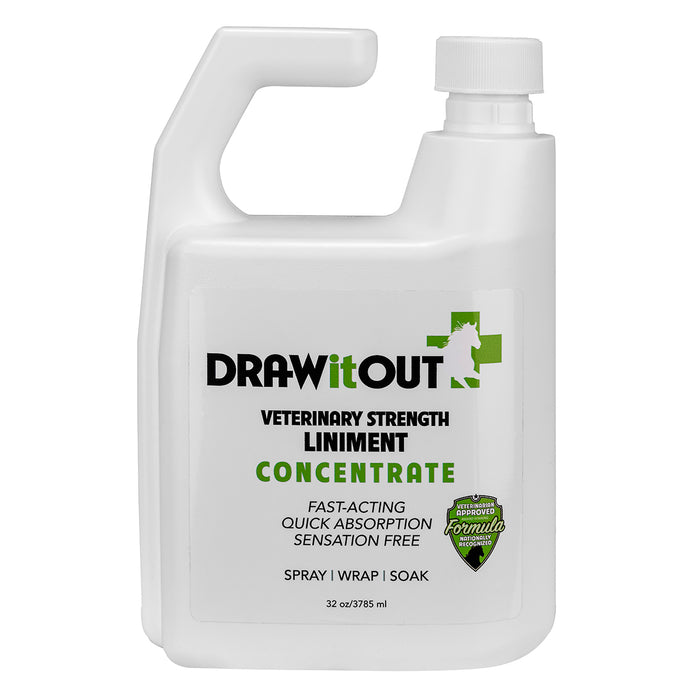
Mix Your Way
A flexible concentrate for riders who want to mix their own routine around workload and barn needs.
View product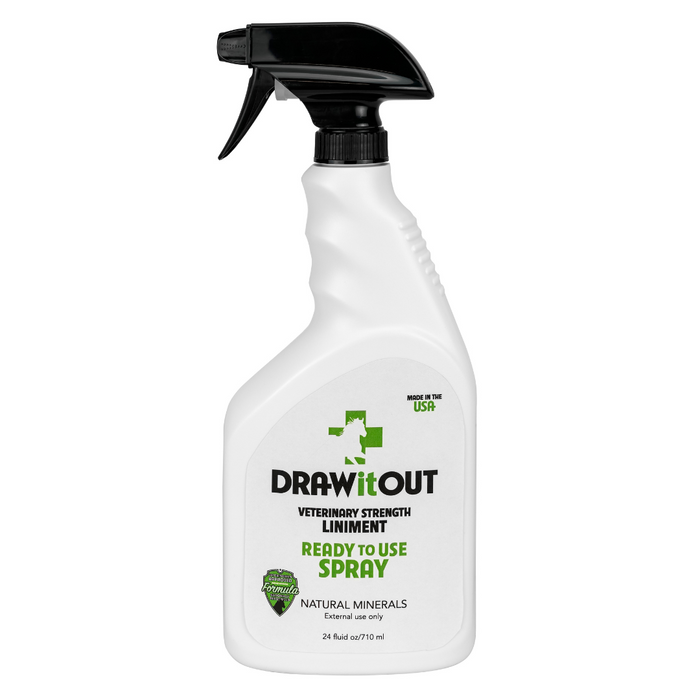
Ready To Use
A ready-to-use spray format for quick application after work, travel, turnout, or daily care.
View product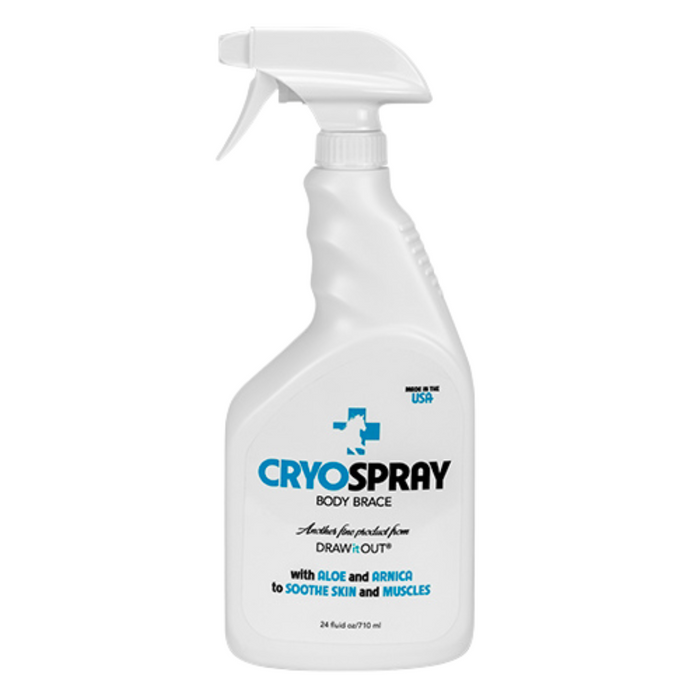
Cooling Brace
A cooling body brace spray for riders who want a fast, practical option after hard work or hot days.
View productFormat matters. Gel, concentrate, ready-to-use spray, and cooling spray each solve a different barn problem. Pick the one your routine will actually use.
!