


Mar 27, 2026
Spring Shedding in Horses: Why Skin Sensitivity Happens and How to Support It
Shedding season isn’t just about losing hair. Your horse’s skin becomes more active, more exposed, and often more sensitive. Understanding thi...
Read article
The withers are the ridge between a horse’s shoulder blades, and they influence saddle fit more than most riders realize. This guide explains what withers are, why they matter, and the most common causes of wither soreness.
The withers sit at the base of the neck, between the shoulder blades. They are formed by the tall spinal processes in the front part of the back. Riders use the withers as a reference point for measuring height, but the day to day impact is comfort and saddle placement.
The withers help determine where the saddle should sit and how the tree and panels distribute pressure. When a saddle is too narrow, too wide, sitting too far forward, or lacking clearance, the withers are usually one of the first places that shows it.
High withers simply means the ridge is more prominent. Some horses are built that way. Others look higher in the withers due to topline changes, muscle loss, age, or workload shifts. High withers often need a saddle that is more stable up front and a padding strategy that supports balance without stacking bulk in the wrong places.
Step one is always remove the cause. If tack fit is part of the story, fix that first. Then keep the area clean, reduce friction, and support comfort so the horse can stay relaxed in work.
Product mention: For skin comfort in friction prone areas, take a look at Rapid Relief Restorative Cream. Keep application tidy and follow label directions.
The withers are the ridge between the shoulder blades at the base of the neck, where the highest part of the back begins.
High withers means the ridge is more prominent. It can affect saddle balance and stability and often benefits from fitter input so the saddle stays off the withers while still sitting level.
Yes. If a saddle pinches, rocks, sits too low, or creeps forward, it can create pressure and friction at the withers. That can lead to rubs, swelling, hair loss, or sores.
Look for flinching to touch, heat, swelling, hair loss, uneven sweat marks, reluctance to round the back, or changes in attitude when saddling. If you see significant swelling, open skin, or persistent pain, involve your veterinarian.
Start Here
This article gives you the background. If you are ready to put the idea into a real horse care routine, these are the next three places most riders should go.
Simple rule: read the article for context, use the Solution Finder for direction, then build the routine around the product format your horse will actually use consistently.
Real Barn Proof
Real riders. Real horses. Real routines. These clips rotate automatically so the proof stays fresh without weighing the page down with a long feed.
Why this matters: good horse care should make sense outside the ad. These clips show the kind of everyday use that builds trust one barn at a time.
Further Reading
Horse care works better when the next step is clear. These related reads help connect today’s topic to better daily decisions in the barn.
Mar 27, 2026
Shedding season isn’t just about losing hair. Your horse’s skin becomes more active, more exposed, and often more sensitive. Understanding thi...
Read article
Mar 26, 2026
Spring does not just change the pasture. It changes how your horse fuels work, recovers, and adapts. Here is why nutrition shifts before most ...
Read article
Mar 23, 2026
A dog elbow hygroma is not just rough skin. It is usually a fluid-filled swelling over a pressure point. Here is how to tell the difference, w...
Read articleStart with the principle, then build the habit. The right article should make the next barn decision easier, not more complicated.
Next Step
Simple care guides, practical product paths, and rider-trusted tools built for real horses and real routines.
Good care gets easier when the next step is obvious. Read the guide, match the routine, then choose the format that fits how your barn actually works.
Recovery Routine
Want a smarter way to think through post-ride care, heat, swelling, leg support, and daily recovery decisions? Start with the Performance Recovery Hub.
Better recovery starts with a repeatable routine. The hub gives riders a clearer path from workload to product format to aftercare timing.
Rider Favorites
Four core Draw It Out® staples riders keep close for daily recovery routines, wash rack use, targeted support, and quick barn-side care.
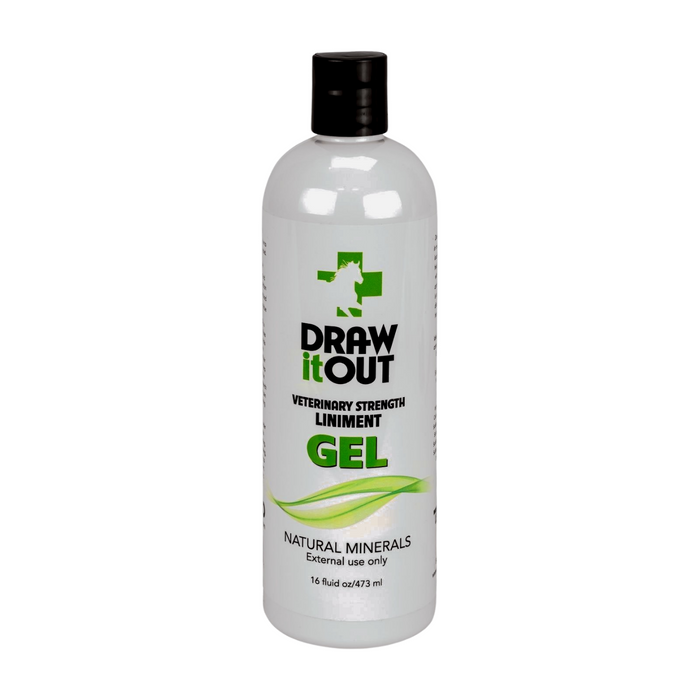
Stay-Put Gel
The everyday liniment gel format riders reach for when they want targeted, no-mess application.
View product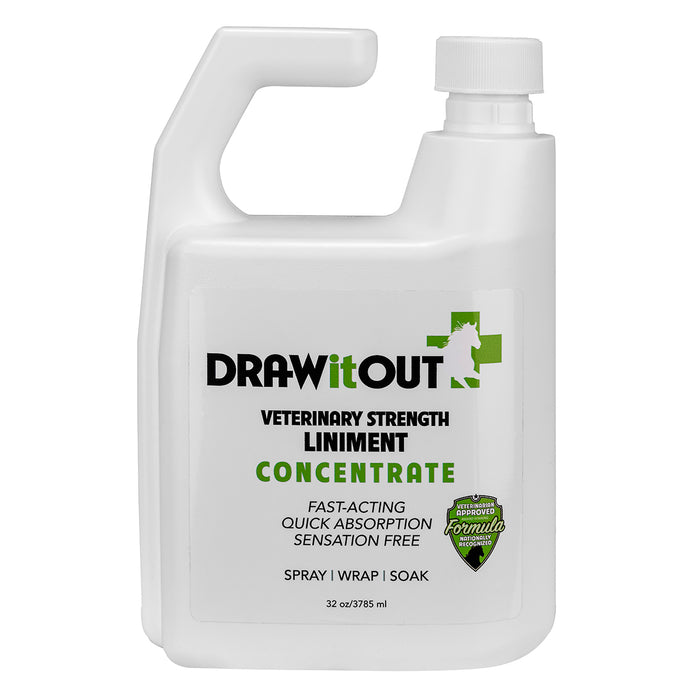
Mix Your Way
A flexible concentrate for riders who want to mix their own routine around workload and barn needs.
View product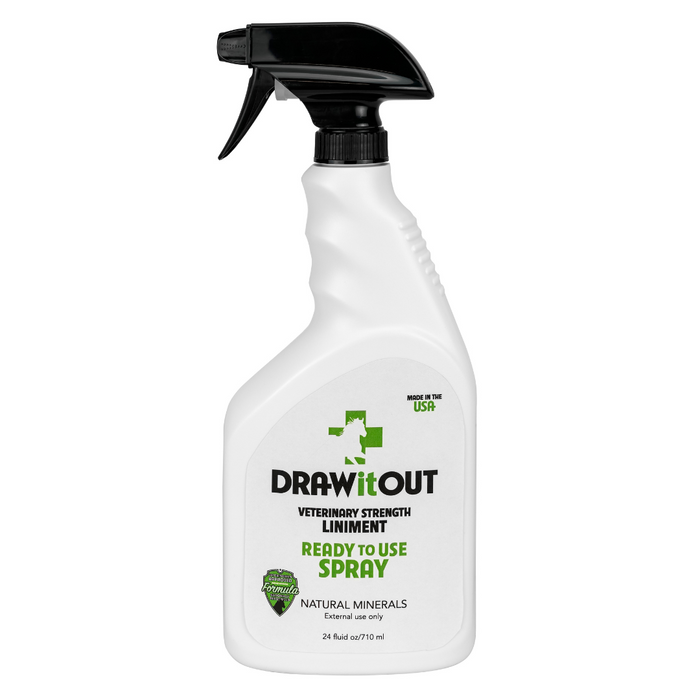
Ready To Use
A ready-to-use spray format for quick application after work, travel, turnout, or daily care.
View product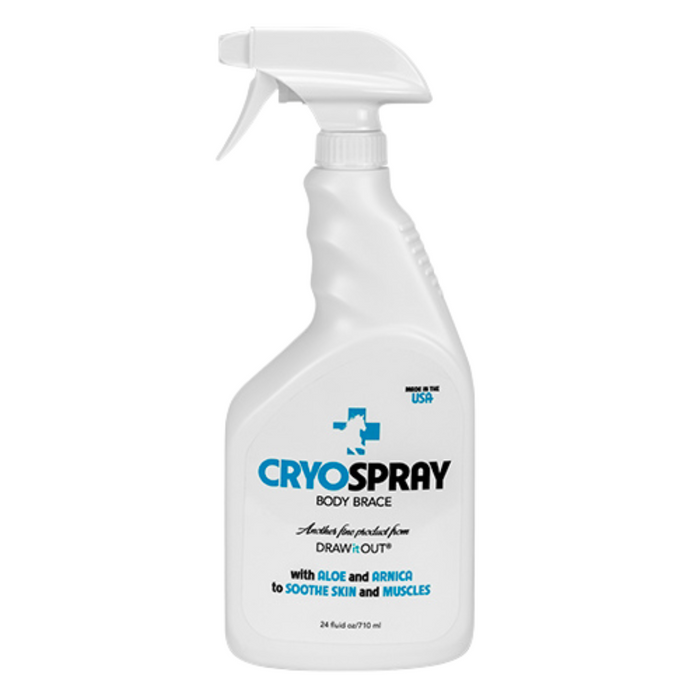
Cooling Brace
A cooling body brace spray for riders who want a fast, practical option after hard work or hot days.
View productFormat matters. Gel, concentrate, ready-to-use spray, and cooling spray each solve a different barn problem. Pick the one your routine will actually use.
!