Managing a Heavy Winter Coat Before the Spring Shed Starts
Late winter is not shedding season yet. It is the buildup phase where heavy coats, warmer afternoons, and trapped sweat can quietly change comfort and recovery.
Speakable summary
When days warm up but coats stay heavy, sweat can get trapped under hair. That can leave skin damp, backs sensitive, and recovery uneven. The fix is simple: groom for circulation, cool out until the coat is truly dry, and keep post ride support consistent until the shed begins.

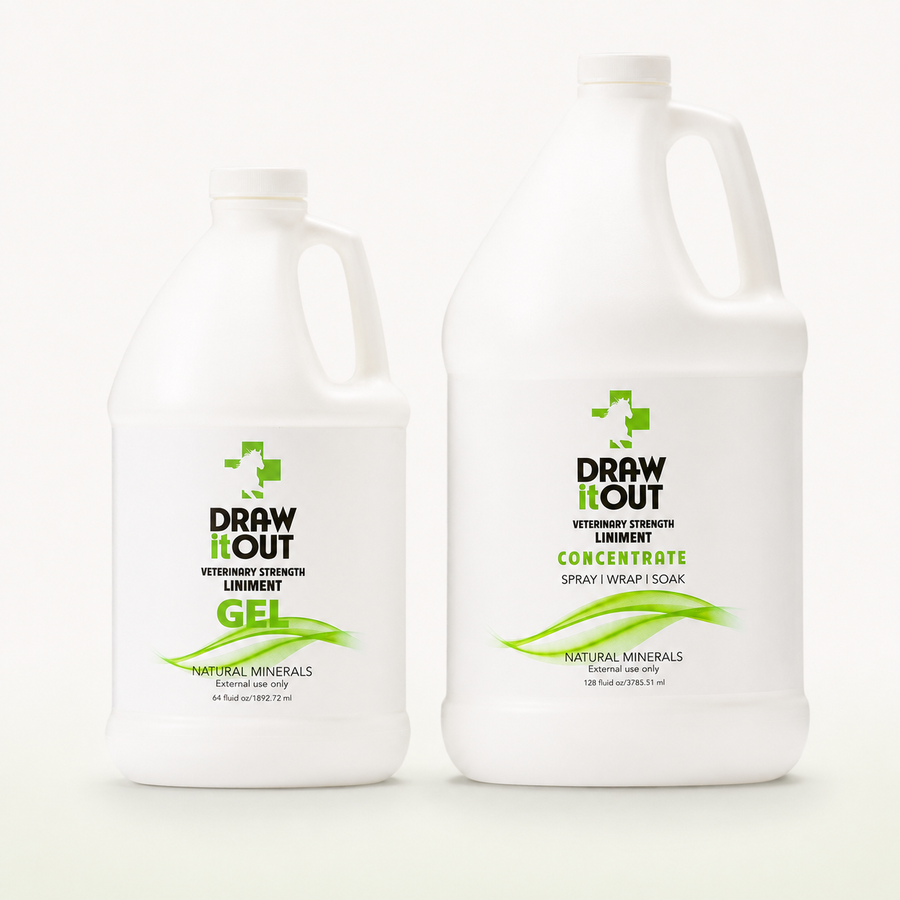
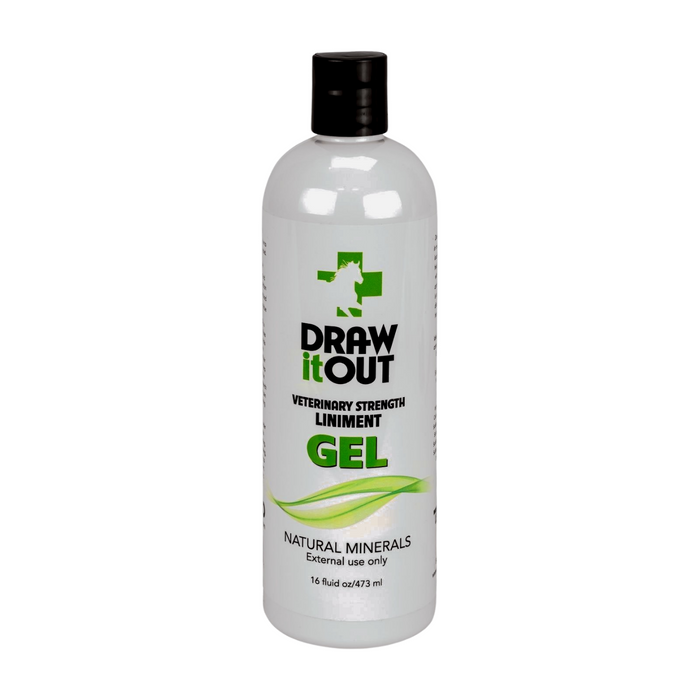
Routine support option: Many riders keep a sensation free liniment gel as the default post ride step during temperature swings.
Why the in between phase matters
Heavy winter hair is excellent insulation when it is truly winter. The problem shows up when mornings are cold, afternoons are mild, and your horse is doing any amount of work.
In that swing, coats can trap heat and moisture close to the skin. The horse cools unevenly. Sweat lingers longer than you think. Then the next day you get stiffness that feels mysterious because nothing looked dramatic.
What a heavy coat changes under saddle
Cooling becomes slower
Even light work can create more moisture than riders expect in late winter. If that moisture cannot evaporate, tissue cools inconsistently and soreness shows up later.
The back traps the most
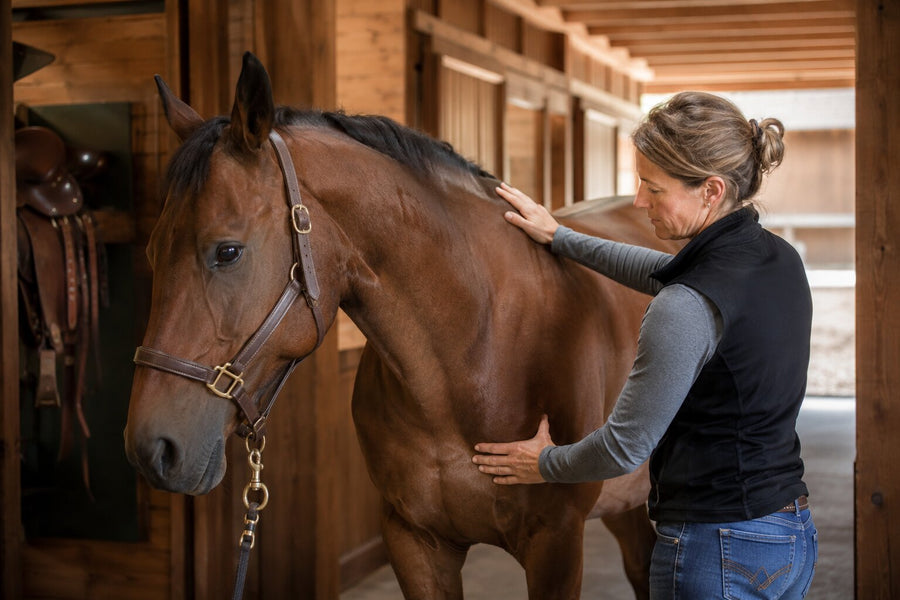
Hair over the topline holds heat and dampness under saddle pads and blankets. That is where subtle sensitivity can build first.
Skin feedback gets muted
Thick hair reduces airflow and sensation at the surface. You can miss small rubs, heat spots, or damp patches until they become bigger issues.
Recovery gets inconsistent
When the surface stays damp, circulation patterns near the skin fluctuate with every temperature swing. That can translate into uneven muscle rebound.
Simple adjustments that prevent early spring tightness
1) Cool out until the coat is dry
Breathing normal does not mean the coat is dry. Walk longer than you think you need, then check under the girth area, between the front legs, and under the saddle pad zone.
2) Curry with intent
Currying is not just cleaning. It is stimulation. Firm, rhythmic grooming encourages surface circulation and helps loosen early undercoat before it compacts.
3) Treat the topline like a priority zone
If your horse feels backed off, fussy to brush, or resistant through transitions, look at the topline first. Heat and moisture trapped in that area can change how the back feels even with light work.
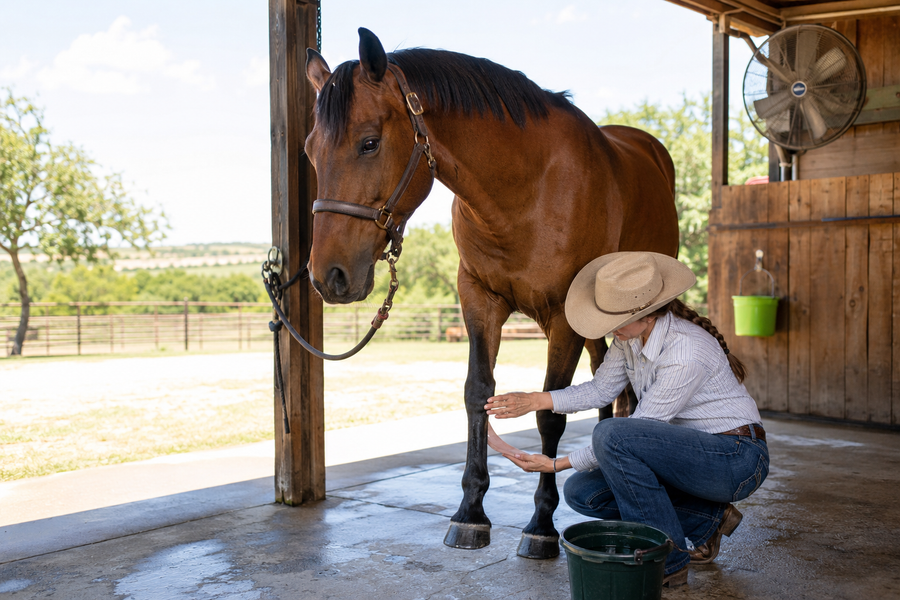
4) Keep post ride support consistent
Late winter is a good time to lean into consistency over intensity. Riders often do best with a steady, repeatable post ride routine that supports circulation and comfort without adding heat or surprise sensation.
What to watch for this week
- Coat feels warm and slightly damp after work even when the ride felt easy
- Back sensitivity during grooming, saddling, or first ten minutes of warm up
- Drying takes longer than normal, especially under the pad zone
- Overnight tightness that improves after a long warm up
Why this is prehabilitation
Prehabilitation is the idea of supporting tissue health before problems show up. Late winter is a perfect example: the horse looks normal, training seems fine, then the body quietly accumulates stress from temperature swings and trapped moisture.
When you handle this phase with calm consistency, the actual spring shed becomes a cosmetic change instead of a comfort problem.
FAQ
Do I need to clip my horse in late winter?
Not always. Many horses do well with better grooming, longer cool outs, and consistent post ride care. Clipping can help some programs, but it is not the only solution.
How do I know if the coat is still damp?
Check under the saddle pad area, girth line, and between the front legs. If the hair at the skin feels cool and slightly wet, keep walking and allow time for real drying.
Why does my horse feel stiff the day after an easy ride?
Late winter stiffness often comes from uneven cooling. Heavy hair can trap sweat so muscles cool inconsistently and feel tight the next morning.
What is the simplest routine upgrade for this season?
Longer cool out plus intentional currying. Those two changes alone improve surface circulation and reduce the damp under coat problem that drives a lot of late winter tightness.
Where should I start if I want a more structured plan?
Start with the Solution Finder for product alignment, then use the Prehabilitation page to build a routine you can repeat daily through the seasonal transition.