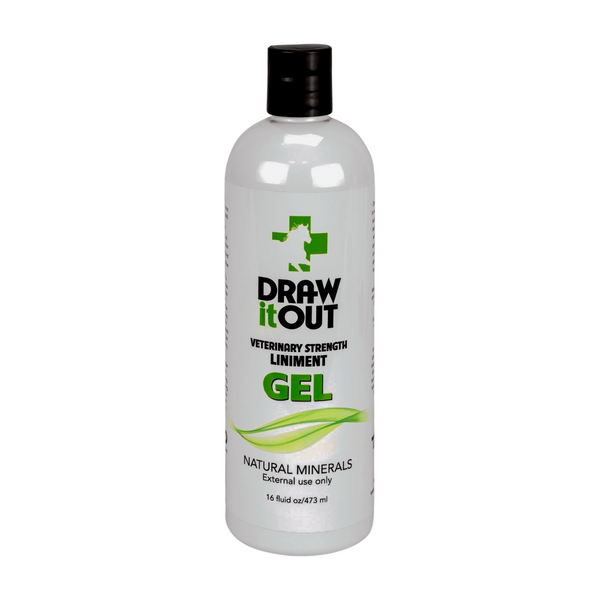
Draw It Out® 16oz High Potency Gel
Post-work, sensation-free support after hot, humid rides. Keeps recovery calm so heart rate settles and hair lays flat.
Shop the Gel →
By Jon Conklin • Updated • 7–9 min read
Heat, humidity, dust, ammonia—barn air can turn on you fast. The fix isn’t just “more fans,” it’s smarter airflow: the right equipment, placed right, wired right, and cleaned on schedule so horses stay comfortable and barns stay healthy.
Target: Aim for steady, gentle flow across horses’ bodies and 4–8 air changes per hour in enclosed spaces. Don’t turn stalls into wind tunnels.
Moves huge air quietly across aisles/arenas. Great coverage with lower perceived draft. Needs proper mounting and clearance.
Good for stalls/aisles when angled correctly. Choose enclosed motor and guarded blades for dusty, hair-heavy environments.
Convenient but risky if not designed for ag use. Avoid open motors and flimsy guards in reach of noses/tails.
Pull hot, stale air out of lofts/wash racks. Pair with inlets so you’re not starving the barn for makeup air.
Routine: Touch-test plugs and housings for heat during the first week of use. Warm = investigate; hot = shut down and replace.
Don’t seal the barn. Use low-speed circulation and cracked inlets to move moist air up and out while avoiding drafts. Dry air means fewer coughs and a better hair coat when work picks up.
Post-work, sensation-free support after hot, humid rides. Keeps recovery calm so heart rate settles and hair lays flat.
Shop the Gel →Target high-motion zones after long days—clean feel, no heat. Ideal between classes when temps are brutal.
Explore MasterMudd™ →Barrier-supporting skin care that stays put on cannons/pasterns—clutch when fans kick up dust and sweat dries slow.
Learn about SilverHoof →Note: Follow label directions; avoid topical use near eyes.
Want a heat-index checklist and airflow map for your barn? Reach out—we’ll tailor a simple, safe plan that fits your layout.
Wall-mounted agricultural fans with enclosed motors and heavy guards, mounted high and angled across the body. Avoid open-motor box fans within reach.
Like a steady breeze—hair should move, not whip. Too much draft dries eyes and stirs dust.
Yes. Low-speed circulation plus fresh-air inlets control humidity and ammonia without chilling horses.
Monthly in heavy season; more if you see dust buildup. Unplug first, then brush/vacuum grills and housings.
Our flagship gel is sensation-free and trusted by competitive riders. Always confirm current rules for your discipline and venue.
This article explains background and context. If you’re here to act, these are the most common next steps riders take.

2026 rewards the rider who acts early, thinks proactively, and supports their horse before issues appear. This closing section brings the...

Salt influences thirst, water intake, and electrolyte balance. This guide explains how salt supports hydration and when adjustments make ...

Blankets keep horses warm—but warmth alone doesn’t guarantee comfort. This guide explains how winter blanketing influences circulation an...
Simple, rider-trusted tips and tools.
Want a smarter way to handle soreness, heat, swelling, and post-ride leg care? Visit our Performance Recovery Hub for clear routines and product guidance.
Visit the Recovery HubFour core Draw It Out® staples riders reach for daily.
!