Mastering Equine Tranquility in the Wash Rack
Step by step training. Calm wash routines. Modern 2026 biosecurity built in.
The wash rack can bring out every worry a horse carries. Slippery floors, echoing water, tight spaces, and old memories all stack up. After recent EHV 1 cycles, barns also need better hygiene, antimicrobial rinses, and safer handling. This guide shows you how to train an anxious horse to relax in the wash rack while keeping your biosecurity and emotional bond strong.
Why the Wash Rack Feels Scary
Horses are prey animals. Hard surfaces, narrow spaces, and noise all trigger the part of the brain that asks a single question. Run or stay. Add in cold water and rushing handlers and anxiety becomes expected, not surprising.
Anxious wash rack behavior often looks like:
- Fidgeting or dancing in place
- Wide eyes and tight lips
- Leaning back on the rope or trying to spin
- Heavy breathing when the hose comes on
None of this means your horse is difficult. It means your horse is honest. Our job is to make the wash rack feel predictable and safe.
Step 1. Groundwork and Approach
Calm wash rack time starts long before you turn on water. You are not just washing a horse. You are teaching a nervous prey animal that this space belongs to your partnership, not to fear.
- Lead calmly past the wash area several times on a loose rope.
- Reward pauses and curiosity with voice and touch.
- Practice stopping and standing in neutral zones before the rack.
- Keep your breathing slow. Horses mirror tension.
Step 2. Dry Rack Desensitization
Before water ever touches your horse, the space needs to feel boring. That is a win.
Space and Sound
- Walk into the rack with no hose or buckets present.
- Let the horse stand, then back out, several times.
- Introduce the sound of clippers, buckets, and light tapping on the floor at a distance.
Touch and Tools
- Use a soft brush or grooming mitt where water will later land.
- Let the horse sniff the hose, nozzle, and sponge.
- Reward every soft exhale, blink, or head drop.
Step 3. Calm Water Introduction
When the rack feels familiar, add water slowly. No surprises. No soaking from nose to tail in one go.
- Start with a damp sponge or cloth at the shoulder, away from the face.
- Use lukewarm water if possible. Sudden cold shocks drive tension.
- Turn the hose on away from the horse so they hear the sound first.
- Bring the flow closer only when breathing and posture stay soft.
- Stop on a good note. Quitting while they are calm wins future sessions.
Calm Wash Routines for 2026 Biosecurity
Post EHV 1 seasons changed how barns think about hygiene. The wash rack is now both a training space and a biosecurity asset.
A modern 2026 wash routine blends emotional calm with cleaner, antimicrobial support.
Calm First
- Keep voices soft and movements predictable.
- Wash in sections, not all at once, to avoid overload.
- Pause if you see tight breathing or bracing. Then resume smaller.
Biosecure Rinse Flow
- Use a designated wash rack for higher risk or traveling horses.
- Incorporate antimicrobial cleansers as directed for legs and contact zones.
- Rinse equipment with barn safe cleaners like SuperClean before the next horse.
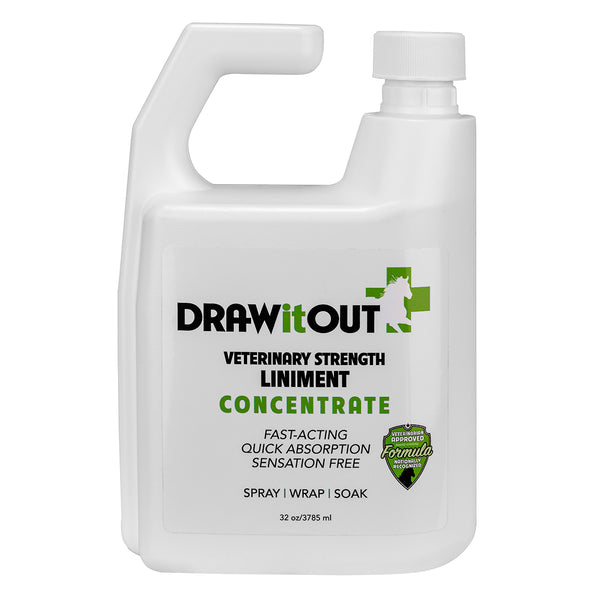
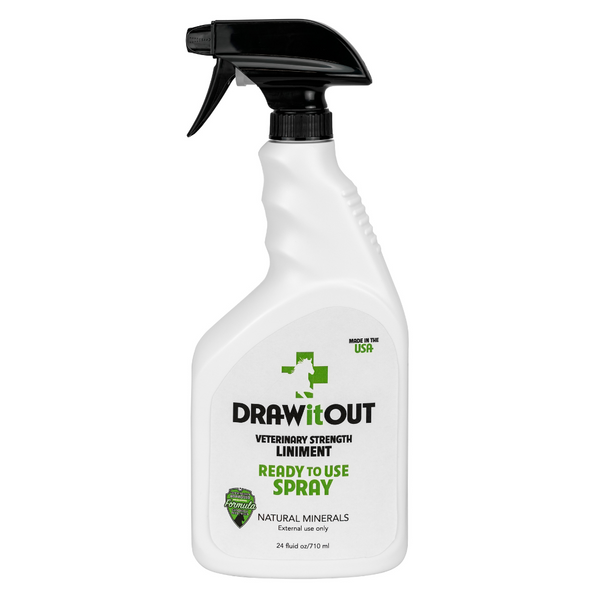
Draw It Out® fits into this routine through clean, low fragrance support around high stress zones, while ShowBarn Secret® Soothing Horse Shampoo helps keep skin healthy without stripping the natural barrier.
Wash Rack Essentials with Draw It Out® and ShowBarn Secret®
ShowBarn Secret® Soothing Horse Shampoo with Lavender
- Gentle, SLS free formula for sensitive skin.
- Lavender aroma supports a calmer bath experience.
- Cleans while helping preserve coat and skin balance.
SuperClean by Draw It Out®
- Cleaner designed for barns, trailers, and wash rack surfaces.
- Supports a fresher, more hygienic space around your horse.
- Ideal for rinse buckets, walls, and contact areas between horses.
Wash rack essentials at dealers. Build trust together.
Tribe Angle. Submit Your Relaxation Wins
Maybe you taught a rescue to step into the wash rack without a fight. Maybe your barrel horse now drops his head when he hears the hose. Those stories matter.
Share your relaxation wins in the comments or with your favorite dealer. The more we trade calm routines, the safer and softer our barns become.
Wash Rack FAQ
How long should wash rack sessions last for anxious horses
Keep early sessions short. Five to ten minutes of calm work beats one long battle. End while your horse is still relaxed.
Should I sedate to teach wash rack skills
Sedation is a veterinary decision and not a training shortcut. Calm repetition and patient handling build lasting confidence.
How does biosecurity affect everyday wash routines
It means cleaner equipment, designated spaces for higher risk horses, and appropriate cleaners so germs do not travel horse to horse.