Frozen Ground, Hidden Strain: Protecting Tendons & Ligaments in Late-Winter Footing
Late-winter footing can look harmless—but frozen, rutted ground places hidden stress on tendons and ligaments. Here’s how to protect soft...
Quick barn-side benchmarks—so you know what’s normal and what needs a call.
Urine checks are free data. A 10-second look at color, clarity, odor, and frequency can flag hydration issues early and help you decide when to loop in your veterinarian.
For external use only. Avoid eyes and sensitive areas. Follow label directions.
Brief foam from stream impact happens. Persistent foam or additional changes deserve a vet check.
Heat, hauling, and hard work change hydration and electrolyte needs. Expect darker urine if intake lags.
Blood, straining, repeated posturing, discomfort, or major changes in output or color are immediate vet signals.
This guide is informational and not a diagnosis or treatment plan. Always follow your veterinarian’s advice.
This article explains background and context. If you’re here to act, these are the most common next steps riders take.

Late-winter footing can look harmless—but frozen, rutted ground places hidden stress on tendons and ligaments. Here’s how to protect soft...


Some horses drink more when given options. This article explains the two bucket hydration strategy and why choice improves equine hydrati...

Spring vaccines are routine, but mild neck or shoulder soreness can quietly disrupt training. Here’s what to expect and how to keep comfo...
Simple, rider-trusted tips and tools.
Want a smarter way to handle soreness, heat, swelling, and post-ride leg care? Visit our Performance Recovery Hub for clear routines and product guidance.
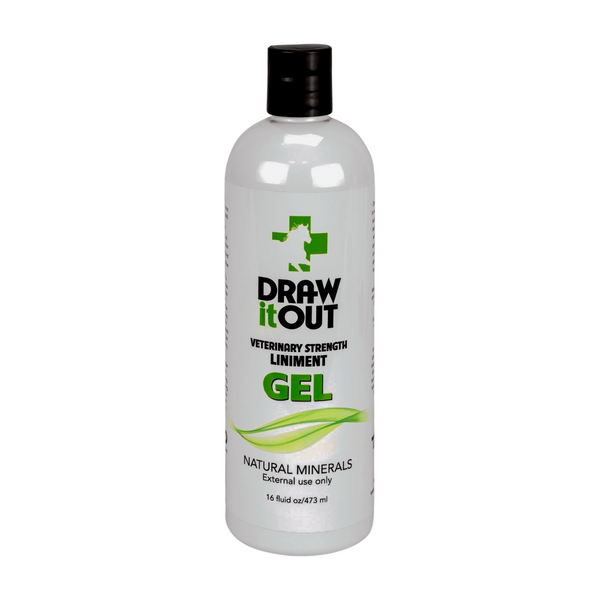
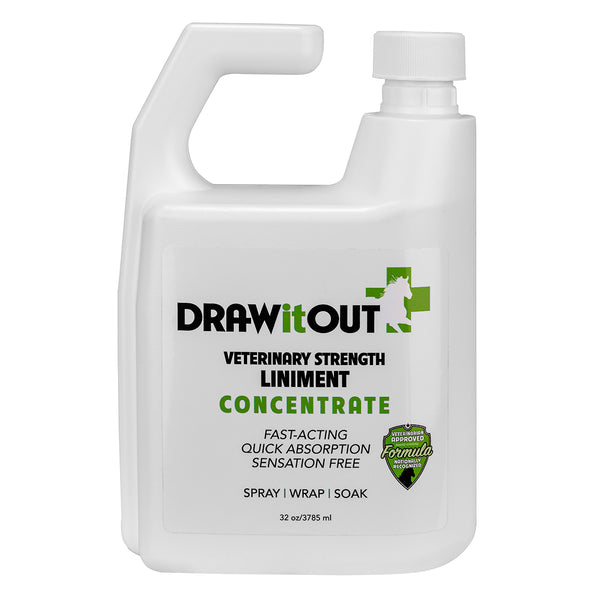
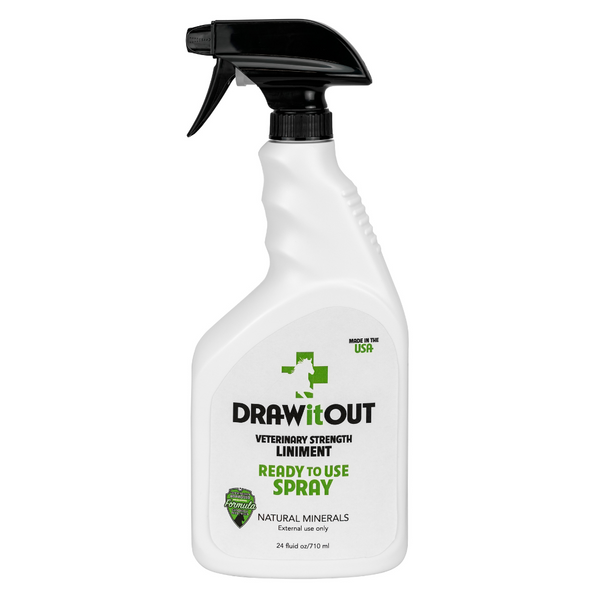
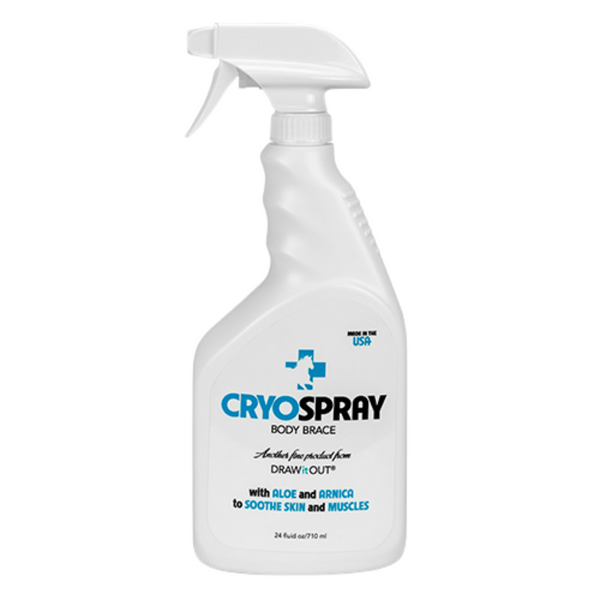
Visit the Recovery HubFour core Draw It Out® staples riders reach for daily.
!