Winter Arena Footing & Horses: Reduce Stiffness, Strain, and Injury Risk
Reading time: ~6 minutes • Season: Winter riding & arena management
Winter doesn’t just affect the air temperature—it changes the ground your horse works on. Arena footing that rides beautifully in summer can turn unforgiving once cold sets in, increasing concussion, stiffness, and injury risk without obvious warning signs.
If your horse feels tight, resistant, or sore in winter, footing is often part of the story.
How Winter Footing Changes Movement
Cold weather alters arena surfaces in subtle but important ways:
- Footing firms up, reducing shock absorption
- Frozen layers limit natural slide and give
- Uneven thawing creates inconsistent impact
- Reduced elasticity strains joints and soft tissue
Horses compensate by shortening stride, bracing through the back, and loading joints differently—often before soreness is obvious.
Early Signs Footing Is Affecting Your Horse
- Shortened or choppy stride
- Reluctance to move forward freely
- Back tightness after riding
- Delayed warm‑up response
- Increased stiffness the following day
These are management signals, not training problems.
Step 1: Adjust Expectations, Not Just Training
Winter footing demands smarter rides—not harder ones.
- Extend the walking warm‑up
- Favor large lines and gradual turns
- Limit repetitive circles on firm footing
- Delay collection until the body feels loose
Protecting soundness always beats pushing through stiffness.
Step 2: Prepare Muscles Before Riding
Cold footing magnifies the effects of tight muscles.
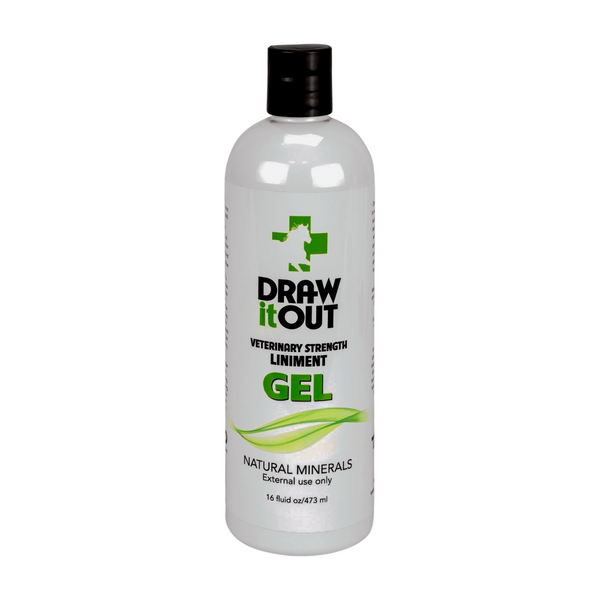
Before riding, apply a light layer of Draw It Out® High Potency Gel to shoulders, backs, and hindquarters. The sensation‑free formula supports circulation without heating—ideal for cold arena work.
Step 3: Support Deep Tissue After Impact
Firm footing stresses deeper muscle groups, especially through the lumbar and SI region.
Massage MasterMudd™ EquiBrace into the lower back, hips, and hamstrings post‑ride to help soften tissue and reduce lingering tightness.
Step 4: Hydration Affects Shock Absorption
Dehydration reduces tissue elasticity—making hard footing harder on the body.
Support winter hydration with Hydro‑Lyte® with GastroCell® to help muscles and joints handle winter workload more effectively.
Step 5: Use Recovery to Protect Tomorrow’s Ride
Cold air tightens tissue quickly after work. Always cool out thoroughly, then reapply Draw It Out® Gel to major muscle groups to support recovery and reduce next‑day stiffness.
Winter Arena Riding Support Kit
- Draw It Out® High Potency Gel
- MasterMudd™ EquiBrace
- Hydro‑Lyte® with GastroCell®
- Visit the Wisdom Library
Practical, no‑nonsense horse‑care insight lives inside the Draw It Out® Wisdom Library.