


Jul 31, 2026
Can You Keep a Horse Fit Riding Three Days a Week? A Realistic Plan
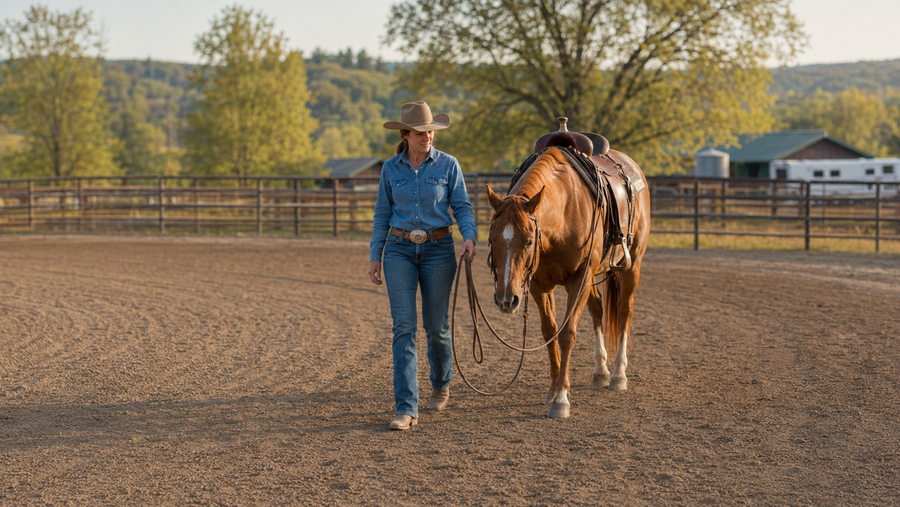
A realistic three-day horse fitness plan with base work, strength and skill, quality effort, recovery days, warning signs, and a sample w...
Free U.S. shipping at $50+
No code needed.
Shipping details
Real Rider Resource
A practical rider-awareness guide for sorting out canter rhythm without blaming the horse first.
Quick answer: When a horse loses rhythm at the canter, check rider timing, footing, tack fit, fatigue, balance, soreness clues, breathing, and whether the horse struggles more in one direction than the other.
A broken rhythm is information. Real riders slow down, read the pattern, and fix the root before drilling the symptom.
Before you correct the horse, figure out when the rhythm changes.
The useful question: does the rhythm break because of the gait, the direction, the footing, the rider cue, the transition, or the horse getting tired?
A steady rhythm needs a receiving hand, not a trapping hand.
Ask whether your body is following the gait or chasing it.
If the inside leg disappears in the turn, the horse may lose the shoulder or break rhythm.
Fix the line before the corner, not halfway through the scramble.
A rider-awareness problem should not be turned into a product problem. But once the ride is done, a good hands-on recovery routine can help you learn what is normal for that horse.
Common causes include rider timing, footing, fatigue, lack of balance, tack discomfort, one-sided weakness, soreness, or asking for more collection than the horse is ready to hold.
Usually no. Repeating poor rhythm can teach the wrong pattern. Reset, make the question easier, and reward a few better strides.
Call your veterinarian if the problem is sudden, painful, worsening, connected to lameness, paired with heat or swelling, or if the horse feels seriously wrong.
Where to go next: Use the Solution Finder, review Prehabilitation, or browse the liniment gel collection.
The best routines are quiet. They do not draw attention, but they prevent problems before they show up.
A realistic three-day horse fitness plan with base work, strength and skill, quality effort, recovery days, warning signs, and a sample w...
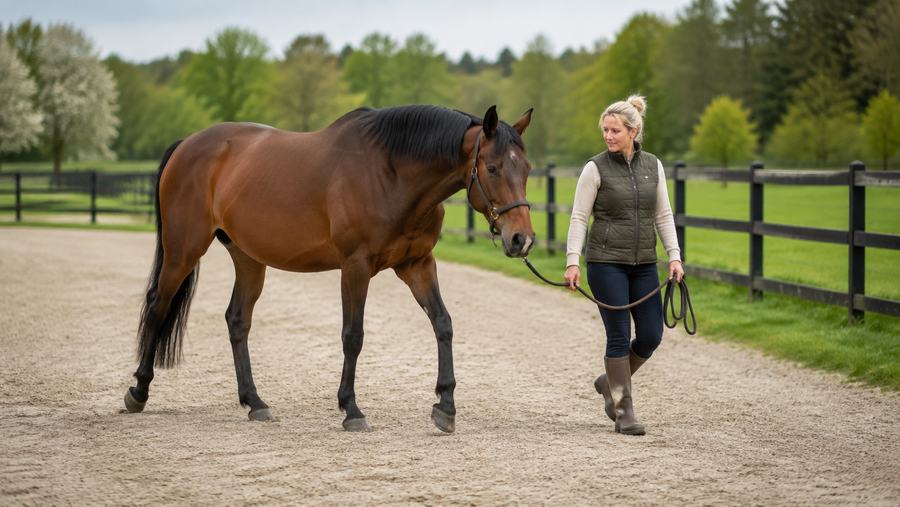
An easy day may suit a sound horse that benefits from low-stress movement. Learn when to choose walking, turnout, light work, rest, or ve...
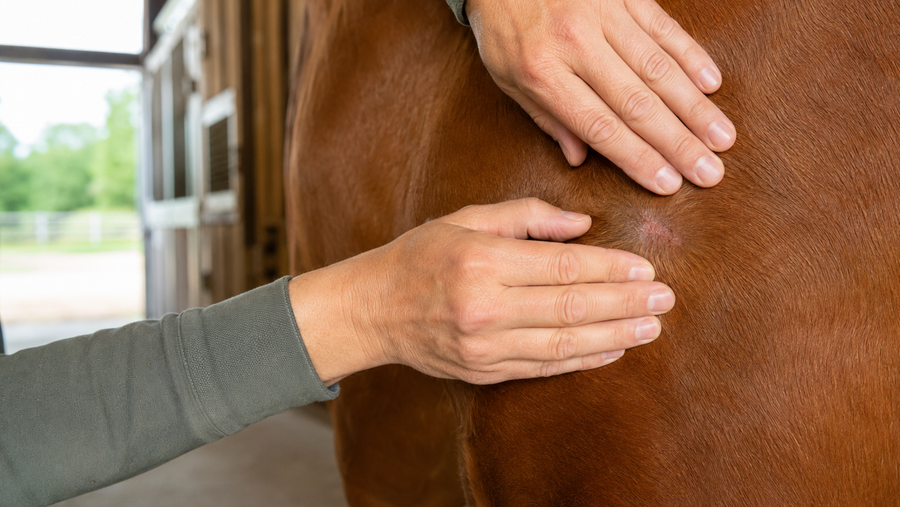
Can you use hydrocortisone on a horse? Learn what it does, when itching needs a veterinarian, and how to route intact skin versus broken ...
Want a smarter way to handle soreness, heat, swelling, and post-ride leg care? Visit our Performance Recovery Hub for clear routines and product guidance.
Visit the Recovery Hub!