

Jul 18, 2026
The Quiet Barn Check Before a Big Clinic
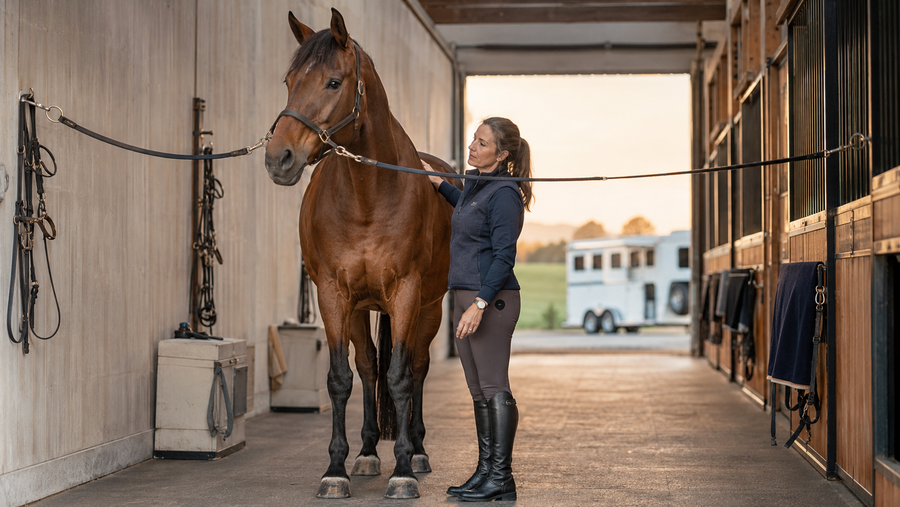
A Real Rider Resource guide for preparing for a riding clinic with a quiet barn check, clear goal, and fair horse-first plan.

Tomorrow’s ride should be earned by what today revealed. Real riders do not copy and paste the same plan onto a different horse, different weather, and different recovery picture.
Real riders decide tomorrow’s ride by looking at today’s workload, cool-out, attitude, legs, feet, back, water, appetite, footing, weather, and next-day goal. The plan should fit the horse’s recovery, not the rider’s impatience.
Good training is a sequence. A ride that ends with heavy breathing, slow recovery, tension, or soreness should not be followed by a harder ask just because the calendar says so. The horse’s response is part of the plan.
Write down one sentence after every ride: what changed? That answer can decide whether tomorrow is a build day, confidence day, conditioning day, easy day, hand-walk day, or help day.
Use Horse Health Library resources to connect observations to better routines. If the horse needs a product path, start with What Does My Horse Need?.
Review today’s workload, recovery, movement, attitude, legs, feet, weather, footing, and what changed.
Use a schedule as a guide, but adjust to the horse’s actual recovery and response.
The rider who listens today gets a better horse tomorrow.
Most soundness issues do not come from one bad ride. They come from small things ignored over time.
A Real Rider Resource guide for preparing for a riding clinic with a quiet barn check, clear goal, and fair horse-first plan.
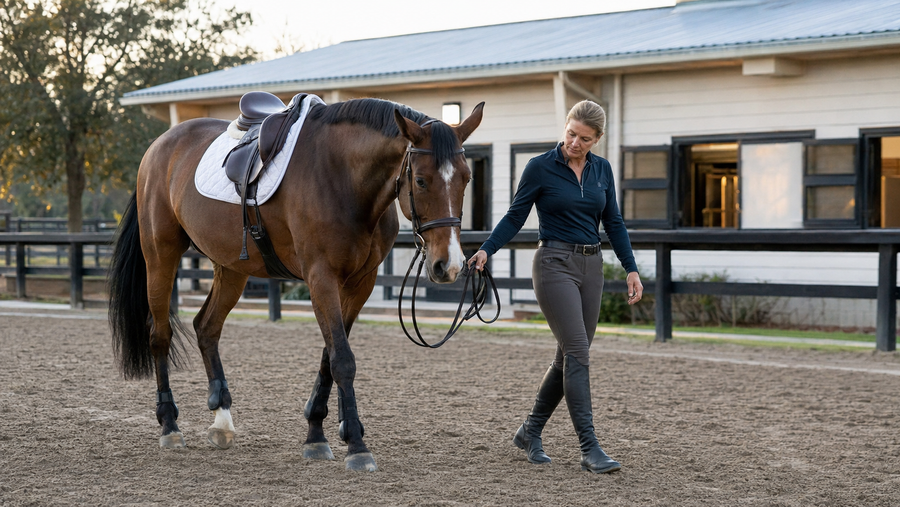
A Real Rider Resource guide for horses that feel one step behind: how to check timing, comfort, and clarity before adding pressure.
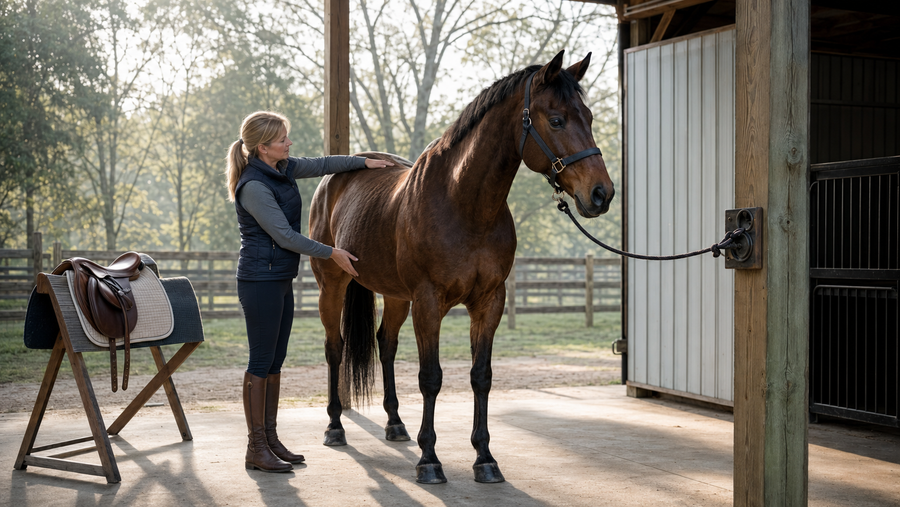
A Real Rider Resource guide for checking the horse before tack so riders make better decisions before the ride starts.
Want a smarter way to handle soreness, heat, swelling, and post-ride leg care? Visit our Performance Recovery Hub for clear routines and product guidance.
Visit the Recovery Hub!