Quick Answer
Before a riding clinic, check the horse’s health, feet, legs, back, tack, hauling plan, water, feed, workload, and recovery from the week. Choose one clear learning goal, arrive early, and tell the clinician the truth about the horse. Do not use a clinic to test a known pain, tack, or safety problem.
A clinic adds variables: a new place, longer sessions, unfamiliar horses, travel, footing, nerves, and a rider trying hard to get value. The quiet barn check prevents those variables from landing on a horse that was not ready.
Two Days Before
- Confirm normal appetite, water, manure, attitude, and movement.
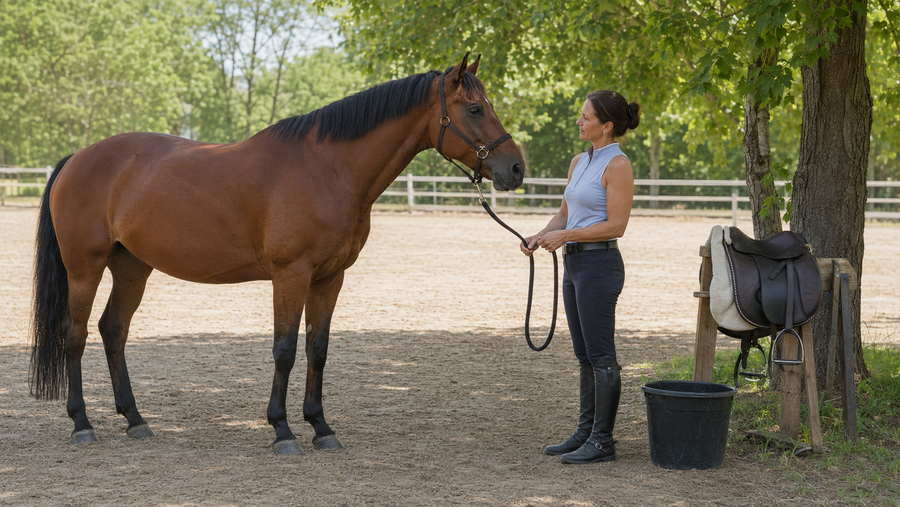
- Check feet, shoes, legs, back, and girth area.
- Use familiar tack and inspect stitching, billets, latigos, reins, and hardware.
- Review trailer condition, travel documents, emergency contacts, and weather.
- Avoid a last-minute hard ride intended to “prepare” the horse.
The clinic should build on the program, not replace it.
Choose One Learning Goal
Write a specific question the clinician can observe, such as improving the timing of a transition or rebuilding confidence over one exercise. Ten vague goals encourage over-riding and make it difficult to know what changed.
Clinic Morning
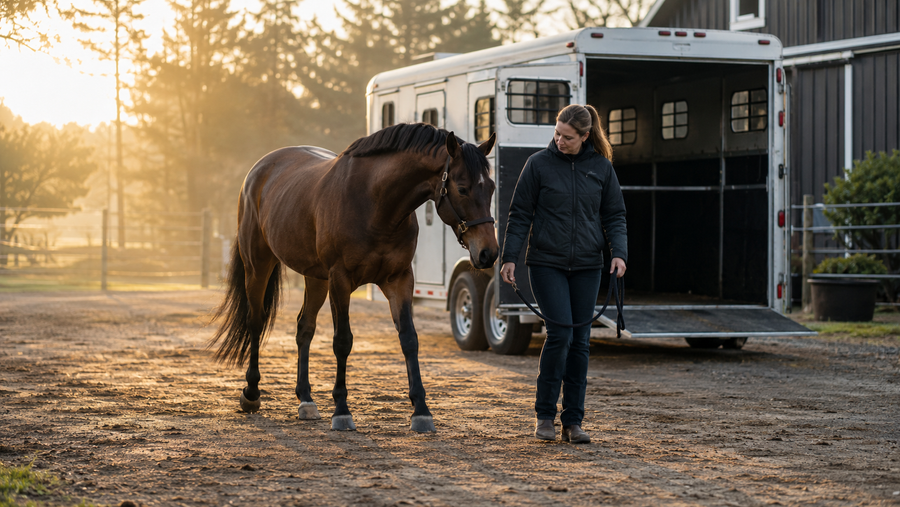
Recheck the horse before loading and again after unloading. Walk the grounds, inspect footing, offer familiar water and forage as appropriate, and allow the horse to settle. Tell the clinician about recent soreness, behavior changes, workload, equipment, and limits.
During the Session
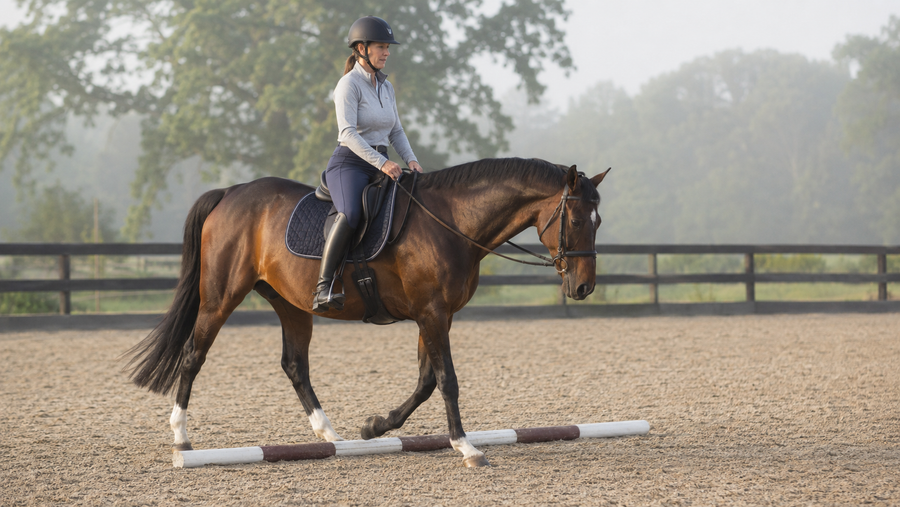
Ask questions when the instruction is unclear. Take breaks before the horse loses quality. A clinic environment does not erase heat, fatigue, pain, or confusion. Stop when the horse becomes unsafe or abnormal.
After the Ride
Cool according to conditions, offer water, check feet and legs, and record the lesson. Recheck after rest and the next morning. The value of the clinic includes how well the horse recovers, not just what happened in the arena.
Where Draw It Out® Fits
Pack only familiar, label-directed products that already fit the horse’s routine. Use the Horse Health Library for supporting education. A product does not make an unready horse clinic-ready.
FAQ
Should I ride hard the day before?
Usually not. Use the horse’s established program and arrive with enough energy and comfort to learn.
What should I tell the clinician?
Share the horse’s recent workload, health or comfort concerns, training history, and the exact problem you want help with.
When should I cancel?
Cancel or modify for pain, lameness, illness, unsafe behavior, trailer problems, or any condition that makes participation inappropriate.
General clinic-preparation education only. This article does not replace veterinary advice or instruction from a professional who can assess the horse and rider directly.