


Jul 20, 2026
What Real Riders Notice After Deep Footing
Deep footing changes workload. Check breathing, feet, legs, shoulders, back, hind end, movement after rest, and next-day recovery.
Free U.S. shipping at $50+
No code needed.
Shipping details
Real Rider Resource
When a horse keeps rubbing the mane, neck, chest, belly, or midline, do not reduce it to “he’s just itchy.” Persistent itching deserves a closer look, better insect management, and a veterinary conversation.
Neck threadworm is one of those topics that gets passed around the barn with a lot of confidence and not enough clarity.
A horse starts rubbing. Hair breaks along the mane. The chest gets raw. The belly line looks irritated. Someone says it is allergies. Someone else says sweet itch. Someone else says neck threadworm. Meanwhile the horse is still uncomfortable and the owner is left guessing.
The better move is simple: observe the pattern, control what you can in the barn, and get your veterinarian involved before turning the horse into a product experiment.
Persistent itching is not a grooming problem until the real cause is understood.
Most riders do not start with a diagnosis. They start with signs.
Several conditions can look similar from the outside. Allergies, insect hypersensitivity, lice, mites, fungal or bacterial skin issues, rain-rot-prone skin, poor grooming, sweat buildup, blanket rubs, tack rubs, and parasites can all create itching, hair loss, scabs, or irritated skin.
That is why diagnosis matters. If the horse is miserable and the problem keeps coming back, guessing harder is not horsemanship.
You can make the veterinary conversation more useful by collecting clear information.
Even when veterinary guidance is needed, the barn environment still matters. Horses with itchy skin need a routine that reduces pressure instead of adding more chaos.
No grooming product diagnoses or treats neck threadworm. That needs veterinary guidance.
What barn products can do is support the surrounding routine: clean grooming, skin awareness, targeted care where appropriate, and a more organized approach to everyday management.
Grooming Routine Picks can help with routine coat management.
Horse Skin Care is the better place when the issue is external skin support.
Horse Health Library helps riders learn before they start guessing.
Call your veterinarian when itching is persistent, intense, seasonal and recurring, spreading, raw, bleeding, painful, causing open sores, associated with swelling or discharge, or not improving with basic management.
Also call when the horse is losing large amounts of hair, rubbing to the point of injury, acting uncomfortable, or when multiple horses in the barn show skin problems.
Neck threadworm is not something to solve with barn gossip. Track the pattern, reduce insect pressure, protect the skin, and work with your veterinarian. The horse deserves clarity, not another round of guessing.
Educational only. This article is not a substitute for veterinary diagnosis or treatment. Persistent itching, open skin, swelling, discharge, severe irritation, or recurring skin issues should be discussed with your veterinarian.
Most soundness issues do not come from one bad ride. They come from small things ignored over time.
Deep footing changes workload. Check breathing, feet, legs, shoulders, back, hind end, movement after rest, and next-day recovery.
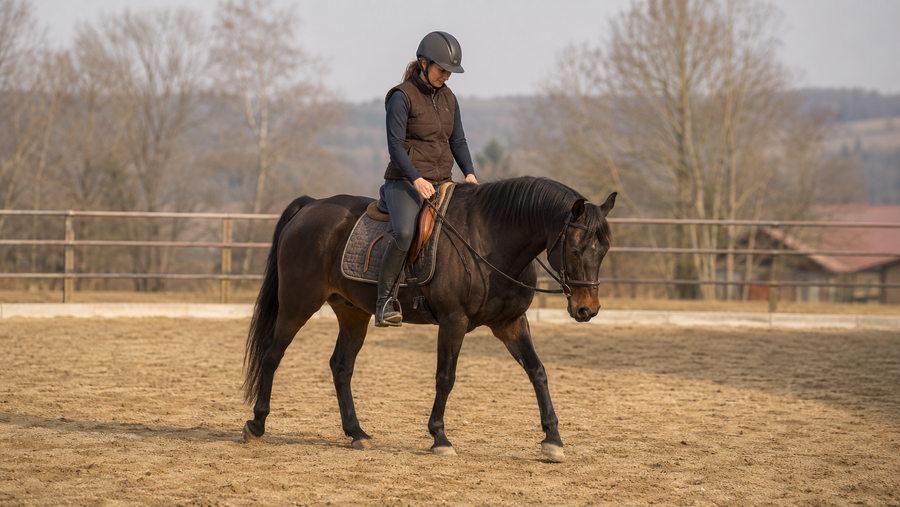
When a horse feels heavy, separate balance, rhythm, rider contact, fatigue, footing, tack, confusion, and pain before adding pressure.

Prepare for a riding clinic with a calm check of health, feet, legs, tack, hauling, water, goals, workload, cooling, and next-day recovery.
Want a smarter way to handle soreness, heat, swelling, and post-ride leg care? Visit our Performance Recovery Hub for clear routines and product guidance.
Visit the Recovery Hub!