When a Horse Needs an Easy Day, Not a Day Off
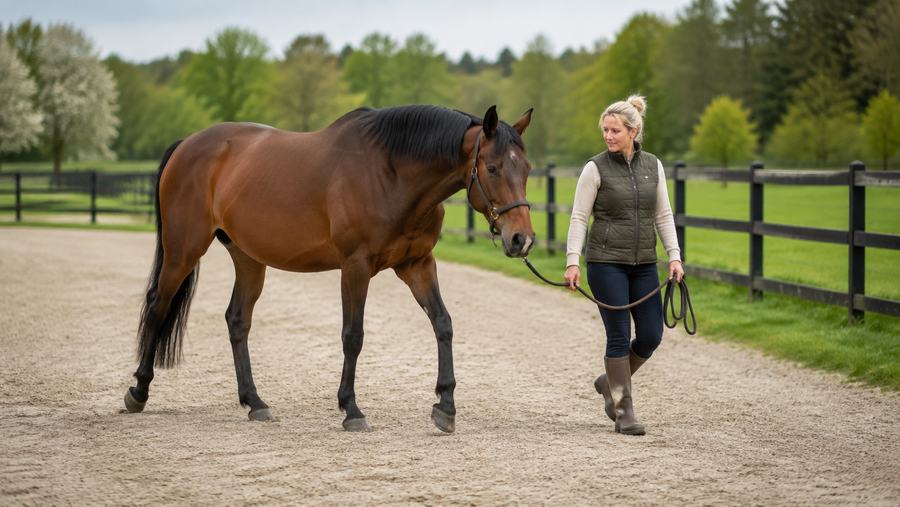
An easy day may suit a sound horse that benefits from low-stress movement. Learn when to choose walking, turnout, light work, rest, or veterinary help.
Free U.S. shipping at $50+
No code needed.
Shipping details
Fourth of July barns can get loud before the first firework ever pops. Hauling, visitors, flags, traffic, kids, dogs, music, cookouts, and late chores all change the feel of the day.
Real riders ride quiet on the Fourth by checking the horse’s mind before the ride, planning around heat and noise, keeping the work simple, and giving the horse a safe evening routine before fireworks or traffic make the barn louder.
A holiday ride is not just another ride with a different date. The horse may see different movement around the barn, hear different sounds, and feel the rider rushing to fit everything in. Good riders do not take that energy into the saddle and then blame the horse for feeling tight.
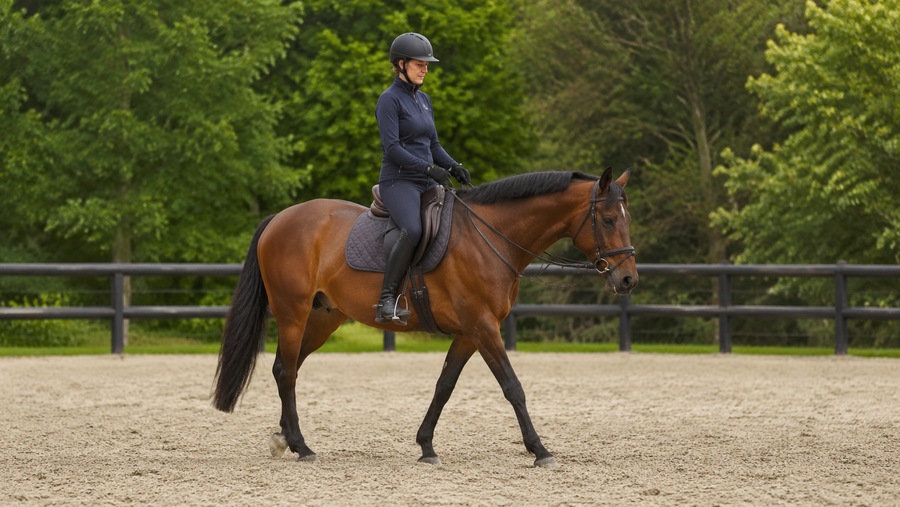
Shorten the ask. Warm up longer. Skip drilling. End with a horse that is softer than when you started. If the horse cannot focus, make the day about calm handling, walking, grooming, or turnout management instead of forcing a plan that only exists in your head.
After a holiday ride or haul, use the Horse Health Library and What Does My Horse Need? guide to sort out whether the horse needs movement support, skin support, hoof support, or just a quieter routine. For post-ride external support, start with the active horse liniment collection.
Call your vet or another qualified professional if the horse is panicked, injured, off, overheated, not eating, not drinking, or acting meaningfully different after holiday disruption.
Only if the horse, weather, barn environment, and evening plan make sense. Keep the ride simple and fair.
Check water, hay, stall or turnout safety, fencing, fans, lighting, and whether the horse has a calm place to settle.
The holiday does not get a vote. The horse in front of you does.
An easy day may suit a sound horse that benefits from low-stress movement. Learn when to choose walking, turnout, light work, rest, or veterinary help.
A Real Rider Resource guide for handling rides that start wrong by simplifying the ask and protecting the horse’s try.
Before changing bits, check dental and mouth comfort, current fit, rider hands, tack, training clarity, body comfort, and when resistance appears.
!