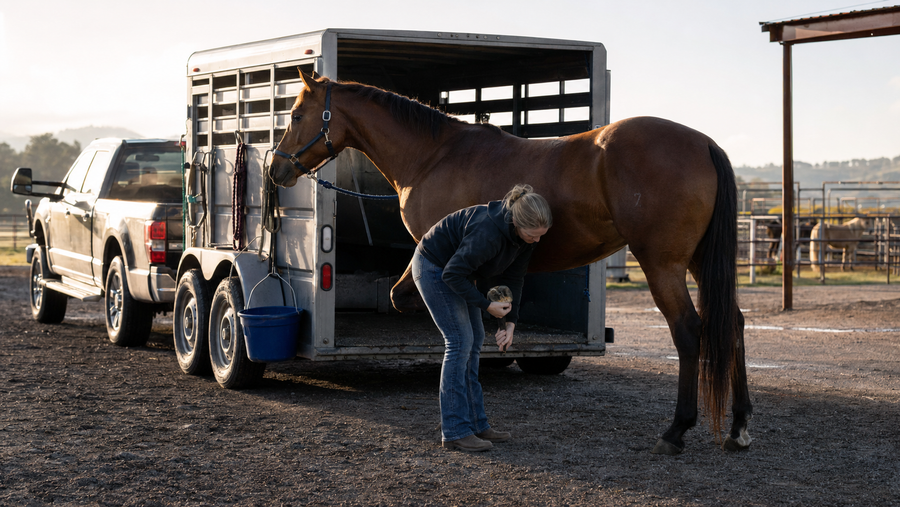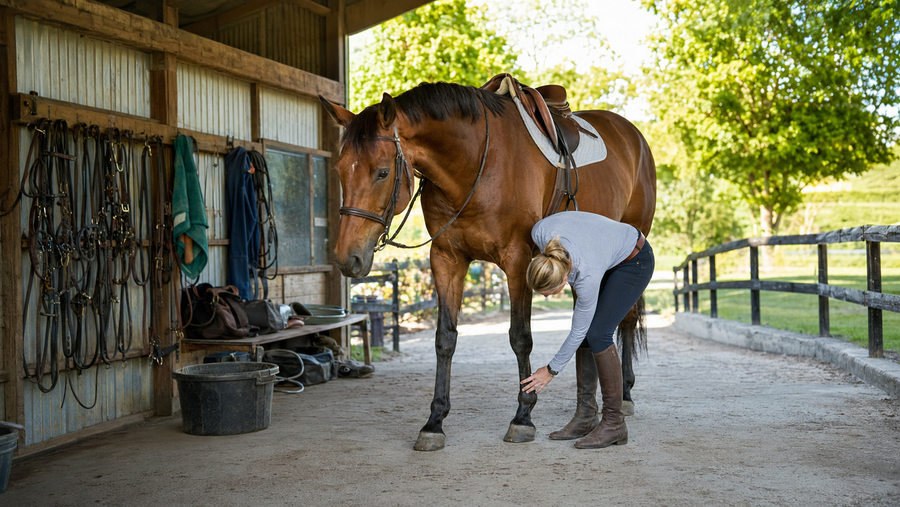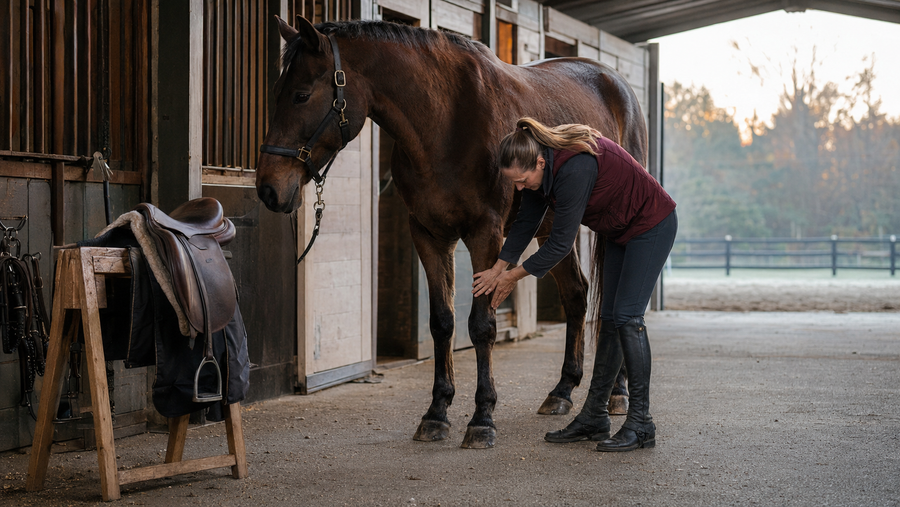
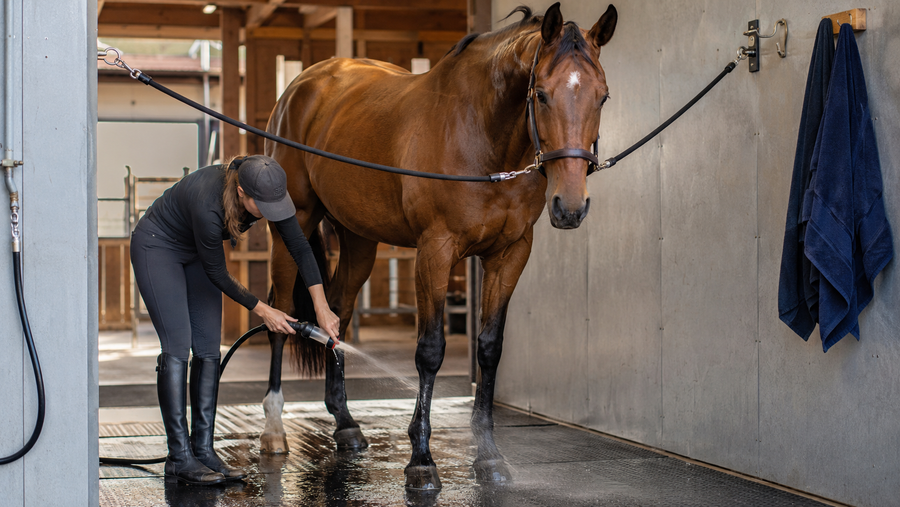
What to Put on Horse Legs After a Hard Ride
A rider-first guide to cooling, checking, and supporting horse legs after hard work, with clear red flags and a next-morning recheck.
Free U.S. shipping at $50+
No code needed.
Shipping detailsFrom Draw It Out®
The everyday decisions behind good horse care. Find practical checks, barn routines, and clear questions to take to the professionals on your horse’s team.
A rider-first guide to cooling, checking, and supporting horse legs after hard work, with clear red flags and a next-morning recheck.
After fireworks, crowds, hauling, or a disrupted weekend, use water, manure, appetite, injuries, movement, and attitude to set the horse’s return.
A Real Rider Resource guide for the morning after fireworks: what horse owners should check before riding or hauling again.
A Real Rider Resource guide for Fourth of July barn routines, quieter rides, firework disruption, and checking the horse before the day gets loud.
Fourth of July Real Rider Resource special edition: ride quiet, check the horse earlier, plan around heat and fireworks, and end fair.
A practical Real Rider Resource guide for holiday weekend haul: what to check, what to track, when to change the plan, and when to ask for qualified help.
A practical Real Rider Resource guide for summer ride planning: what to check, what to track, when to change the plan, and when to ask for qualified help.
A practical Real Rider Resource guide for July riding reset: what to check, what to track, when to change the plan, and when to ask for qualified help.
Match horse-care problems with the right professional: veterinarian, farrier, trainer, saddle fitter, equine dentist, nutritionist, or emergency help.
The barn habit that saves rides is noticing small changes before you climb on. Talent matters less when the rider ignores the obvious.
When a normally willing horse gets sour, review workload, pain, tack, feet, turnout, environment, rider pressure, and recovery before calling it attitude.
Learn how rhythm, confidence, soreness, behavior, recovery, and repeatability can show that a horse’s workload or training progression moved too fast.
!