Changes on the surface
- Green, blue-green, brown, red, or unusually cloudy water
- Scum, foam, mats, clumps, or paint-like streaks
- Material collecting along one edge after wind
- A sudden bloom after several hot, still days

Hot, still weather can turn a familiar water source into a question mark. Blue-green algae, also called cyanobacteria, can form harmful algal blooms in ponds, lakes, slow water, stock tanks, and troughs. The safest barn rule is simple: when water looks or smells wrong, keep horses out until the source is cleared.
Quick answer: If water has surface scum, foam, mats, paint-like streaks, unusual discoloration, a bad smell, dead fish, or an active public-health advisory, prevent horses from drinking or contacting it immediately. Supply verified clean water and contact your veterinarian after suspected exposure. Appearance alone cannot prove whether a bloom is toxic.
Harmful algal blooms are more likely when water is warm, slow-moving or stagnant, and nutrient-rich. A bloom can collect along a downwind shore, in a quiet pond corner, or around the edge of a stock tank. Not every green water source contains dangerous toxins, but riders cannot confirm safety by color alone.
When in doubt, keep them out. Do not wait for a horse to become sick before changing water sources.
These signs justify caution, but their absence does not guarantee safety. Laboratory or agency testing is the only reliable way to determine whether cyanotoxins are present.
Horses can be exposed by drinking contaminated water, contacting it with the skin or eyes, or breathing droplets created by spray or mist. That means suspect water should not be used for drinking, soaking feed, filling travel containers, bathing, cooling, arena misting, or spraying dust.
Look across the entire surface, smell the water, check the downwind edge, confirm the waterer is flowing, and watch whether horses are drinking normally.
Remove organic debris, clean biofilm, refresh water, reduce manure and fertilizer runoff, and improve turnover or circulation where practical.
Recheck ponds and tanks after nutrient-rich runoff, flooding, or a sudden temperature increase. Conditions can change quickly.
Use local extension, environmental, water-quality, or veterinary guidance to identify the source problem and an appropriate long-term plan.
Seek urgent veterinary guidance for sudden weakness, stumbling, tremors, seizures, collapse, heavy drooling or foaming, breathing difficulty, unusual behavior, severe digestive upset, or rapid deterioration after contact with suspect water. Tell the veterinarian exactly where the horse drank or was exposed and whether other animals used the same source.
Build the larger water-safety routine with Horse Water Intake: Heat, Travel, and Dehydration Checks, Recovery-Ready Hydration, Hot Weather Horse Care, and the Horse Health Library.
Ordinary algae and harmful cyanobacteria can look similar. If water is discolored, scummy, foamy, unusually smelly, or covered by an advisory, keep horses away and use a different source until qualified testing or guidance confirms it is appropriate.
Yes. Cyanobacteria can develop in warm, stagnant, nutrient-rich water, including stock tanks and troughs. Regular inspection, cleaning, water turnover, and runoff control reduce risk but do not replace testing when a bloom is suspected.
No. Boiling does not make cyanotoxin-contaminated water safe and can concentrate toxins as water evaporates.
No. Exposure can occur through skin, eyes, or airborne droplets. Use verified clean water for bathing, cooling, misting, and dust control.
Remove access, provide verified clean water, contact your veterinarian promptly, and notify the appropriate local or state water-quality authority. Do not wait for symptoms before making the call.
Educational horse-care guidance only. Harmful algal bloom concerns belong with a veterinarian and the appropriate local, state, or federal water-quality authority. Draw It Out® products do not test, treat, detoxify, or make contaminated water safe.
This article gives you the background. If you are ready to put the idea into a real horse care routine, these are the next places most riders should go.
Explore the Draw It Out® liniment gel lineup for everyday use, post-work routines, and targeted recovery support.
Shop liniment gelsMatch your horse’s workload, age, routine, and care goals to the Draw It Out® products that make the most sense.
Use the finderLearn how riders support soundness, comfort, and consistency before little issues become bigger problems.
Read the guideReal Barn Proof
Real riders. Real horses. Real routines. These clips rotate automatically so the proof stays fresh without weighing the page down with a long feed.
Why this matters: good horse care should make sense outside the ad. These clips show the kind of everyday use that builds trust one barn at a time.
Further Reading
Horse care works better when the next step is clear. These related reads help connect today’s topic to better daily decisions in the barn.

Jul 06, 2026
A rider-first guide to menthol-free horse liniment, sensory ingredients, complete-label checks, daily routine fit, and competition-rule caution.
Read article
Jul 06, 2026
Made in America matters. But horse care should also be family-owned, founder-led, and built with ingredients chosen for the horse — not shareh...
Read article
Jul 06, 2026
A practical horse health guide for mane rubs after fly gear: fit, seams, sweat, dirt, skin checks, and when to call the vet.
Read articleStart with the principle, then build the habit. The right article should make the next barn decision easier, not more complicated.
Next Step
Simple care guides, practical product paths, and rider-trusted tools built for real horses and real routines.
Good care gets easier when the next step is obvious. Read the guide, match the routine, then choose the format that fits how your barn actually works.
Recovery Routine
Want a smarter way to think through post-ride care, heat, swelling, leg support, and daily recovery decisions? Start with the Performance Recovery Hub.
Better recovery starts with a repeatable routine. The hub gives riders a clearer path from workload to product format to aftercare timing.
Rider Favorites
Four core Draw It Out® staples riders keep close for daily recovery routines, wash rack use, targeted support, and quick barn-side care.
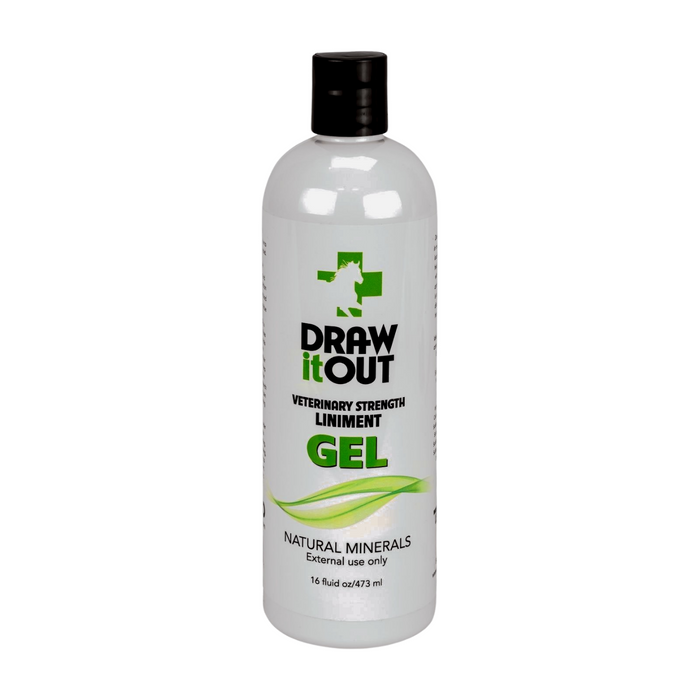
Stay-Put Gel
The everyday liniment gel format riders reach for when they want targeted, no-mess application.
View product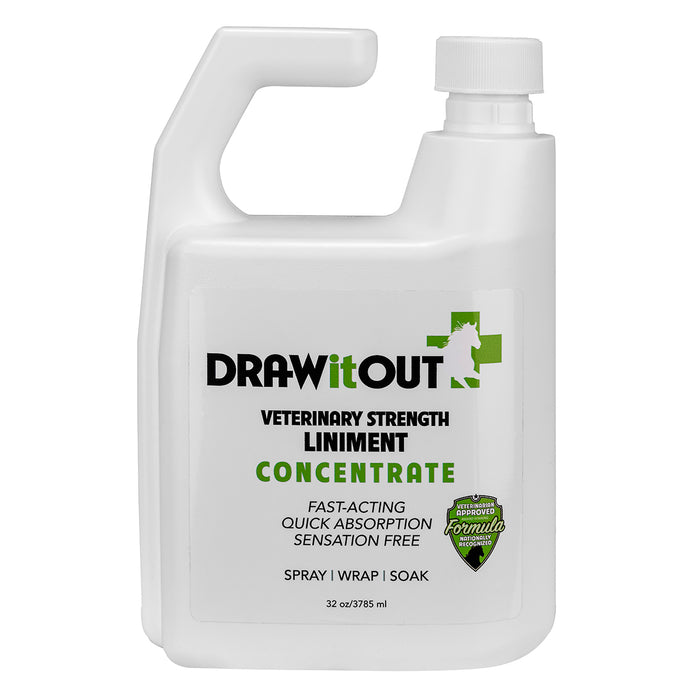
Mix Your Way
A flexible concentrate for riders who want to mix their own routine around workload and barn needs.
View product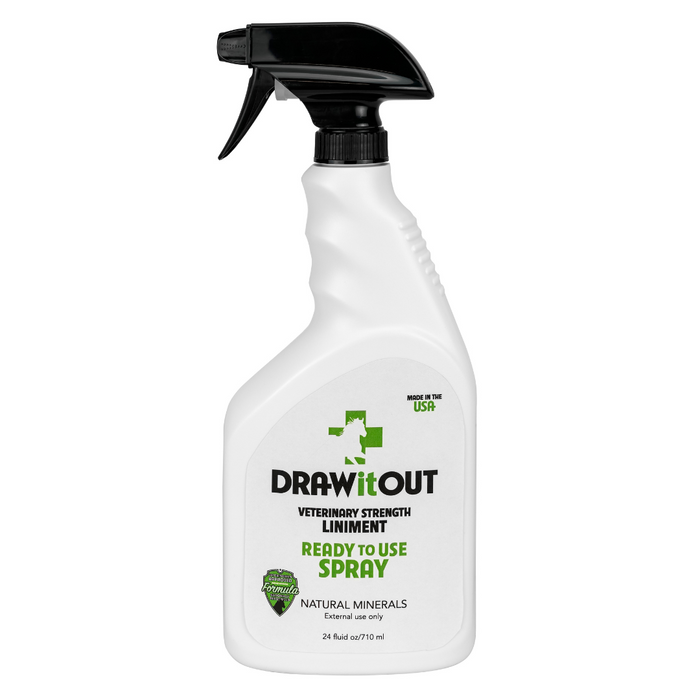
Ready To Use
A ready-to-use spray format for quick application after work, travel, turnout, or daily care.
View product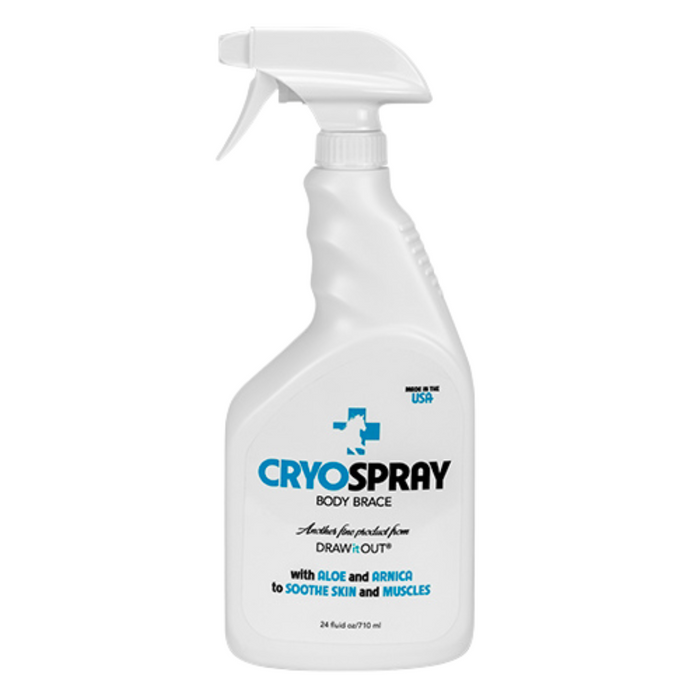
Cooling Brace
A cooling body brace spray for riders who want a fast, practical option after hard work or hot days.
View productFormat matters. Gel, concentrate, ready-to-use spray, and cooling spray each solve a different barn problem. Pick the one your routine will actually use.
!