Daily recovery
Liniment Gels
Explore the Draw It Out® liniment gel lineup for everyday use, post-work routines, and targeted recovery support.
Shop liniment gels
ReJüv™ Recovery Journal
Quick answer
After hot-weather barn work, treat heat first and ordinary soreness second. Stop the work, move to shade or air conditioning, cool down, drink fluids, and watch for heat-illness warning signs. Only after your temperature and symptoms have settled should you clean and dry intact skin, move gently, and use ReJüv™ according to its human-use label.
Hot barn work is not just regular work with more sweat. Heat load comes from the weather, direct sun, humidity, clothing, limited air movement, and the heat your own body produces while carrying water, stacking hay, cleaning stalls, dragging hoses, loading trailers, or handling horses.
The CDC’s National Institute for Occupational Safety and Health explains that occupational heat stress combines environmental heat, metabolic heat from physical exertion, and clothing or protective equipment. That combination can cause heat-related illness and can also increase injury risk through fatigue, dizziness, reduced attention, sweaty hands, and poor footing. See the NIOSH heat-stress overview.
That changes the order of operations. A tight back or tired forearm may deserve attention, but a topical routine is not the first move when you are overheated, dizzy, nauseated, confused, weak, or unable to cool down. Get the person out of the heat first.
The strongest recovery plan begins before the body is cooked. OSHA and NIOSH emphasize water, rest, shade, acclimatization, and work changes as heat rises. In a barn setting, that means building the workday around the conditions rather than daring the conditions to win.
For moderate work in the heat lasting less than two hours, NIOSH recommends frequent water intake and ready access to cool drinking water. Longer, sweat-heavy work may require electrolyte-containing fluids. Individual medical conditions and clinician instructions still matter. Review the current NIOSH workplace heat recommendations.
Walking gently may be reasonable once you are stable, alert, and cooling normally. Aggressive stretching, hard foam rolling, or “sweating it out” adds more demand when the body is trying to unload heat.
| Time | Priority | What not to do |
|---|---|---|
| 0–10 minutes | Cool area, fluids, outer layers off, symptom check | Return to the same hot job immediately |
| 10–20 minutes | Cool shower or wash, easy breathing, normal food if tolerated | Hard stretching or more exertion |
| 20–30 minutes | Gentle ankle, hip, shoulder, and hand movement | Masking dizziness or weakness with caffeine or a topical |
| After settling | Clean, dry skin; label-directed topical use if appropriate | Applying over sweat, heat rash, sunburn, or broken skin |
Once you are cooling normally and serious symptoms are absent, use a short movement sequence: five shoulder circles, five slow hip hinges without weight, ten hand opens and closes, ten ankle pumps per side, and a two-minute easy walk. The goal is to transition out of work, not test your limits.
For a longer general sequence, use the 10-minute mobility routine for riders and ranchers. For lifting mechanics and cumulative barn workload, see recovery after barn chores and hay hauling.
ReJüv™ is the human-labeled topical wellness gel in the Draw It Out® family. It belongs after the heat problem has been addressed, not before. Wait until you have stopped working, cooled down, washed away sweat and dirt, and dried the skin.
Apply only according to the current label on clean, dry, intact skin. Skip areas with sunburn, heat rash, cuts, scrapes, blisters, or active irritation. Use a thin layer and let it dry before clothing. Do not combine it with external heat, a heating pad, a hot water bottle, tight occlusion, or improvised topical mixtures.
The detailed ReJüv™ before-and-after activity guide covers sweat, showers, clothing, dry time, patch testing, and combinations. Compare travel and home formats with the ReJüv™ size guide.
ReJüv™ is for people. Draw It Out® Liniment is for horses. K9 Advanced™ is for dogs.
Heat stroke is an emergency. Call 911 for confusion, altered mental status, slurred speech, loss of consciousness, seizures, or very high body temperature. Move the person to a cool area and begin rapid cooling while help is coming.
Heat exhaustion can include headache, nausea, dizziness, weakness, irritability, thirst, heavy sweating, elevated temperature, and decreased urine output. NIOSH advises medical evaluation and continued supervision while the worker is moved out of the heat and cooled. Dark tea- or cola-colored urine, severe muscle symptoms, or unusual weakness after heat and exertion can signal rhabdomyolysis and require prompt medical care. See the current NIOSH heat-related illness guide.
Do not leave a symptomatic person alone. Do not tell them to “walk it off,” finish feeding, or drive home by themselves.
Ask three questions before repeating the same hot workload:
The smart move is not proving that you can survive the same mistake twice. It is changing the system so the work gets done without spending the worker.
The best summer recovery system begins with shade, water, work design, and judgment. ReJüv™ comes later, when the person is cool and the skin is ready.
Safety note: This article is educational and is not a substitute for professional medical care. ReJüv™ is a human-labeled topical wellness gel for external use. It is not intended to diagnose, treat, cure, or prevent disease or injury. Follow the current label, use only on clean, dry, intact skin, avoid eyes, mouth, broken skin, external heat, and improvised topical combinations, patch-test sensitive skin, stop if irritation occurs, and seek care for severe, sudden, traumatic, unexplained, persistent, or worsening symptoms.
This article gives you the background. If you are ready to put the idea into a real horse care routine, these are the next places most riders should go.
Explore the Draw It Out® liniment gel lineup for everyday use, post-work routines, and targeted recovery support.
Shop liniment gelsMatch your horse’s workload, age, routine, and care goals to the Draw It Out® products that make the most sense.
Use the finderLearn how riders support soundness, comfort, and consistency before little issues become bigger problems.
Read the guideReal Barn Proof
Real riders. Real horses. Real routines. These clips rotate automatically so the proof stays fresh without weighing the page down with a long feed.
Why this matters: good horse care should make sense outside the ad. These clips show the kind of everyday use that builds trust one barn at a time.
Further Reading
Horse care works better when the next step is clear. These related reads help connect today’s topic to better daily decisions in the barn.

Jul 09, 2026
Claim-safe dealer language for horse supplement categories, dated inventory checks, staff boundaries, and clinical red-flag handoffs.
Read article
Jul 09, 2026
A practical hard-ground check for feet, footing, workload, movement, professional-care red flags, and label-directed post-work topical care.
Read article
Jul 09, 2026
Claim-safe expectations for evaluating a horse joint-support routine without delaying diagnosis for pain, lameness, heat, swelling, or hoof co...
Read articleStart with the principle, then build the habit. The right article should make the next barn decision easier, not more complicated.
Next Step
Simple care guides, practical product paths, and rider-trusted tools built for real horses and real routines.
Good care gets easier when the next step is obvious. Read the guide, match the routine, then choose the format that fits how your barn actually works.
Recovery Routine
Want a smarter way to think through post-ride care, heat, swelling, leg support, and daily recovery decisions? Start with the Performance Recovery Hub.
Better recovery starts with a repeatable routine. The hub gives riders a clearer path from workload to product format to aftercare timing.
Rider Favorites
Four core Draw It Out® staples riders keep close for daily recovery routines, wash rack use, targeted support, and quick barn-side care.
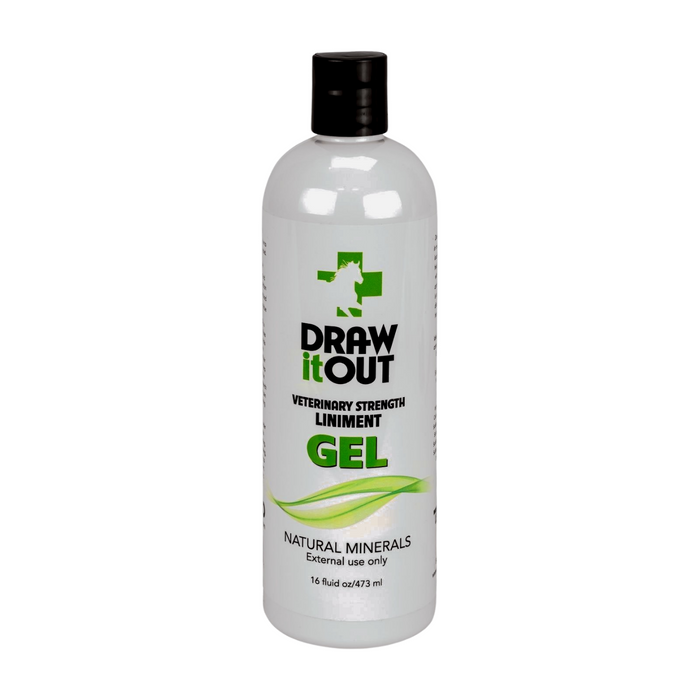
Stay-Put Gel
The everyday liniment gel format riders reach for when they want targeted, no-mess application.
View product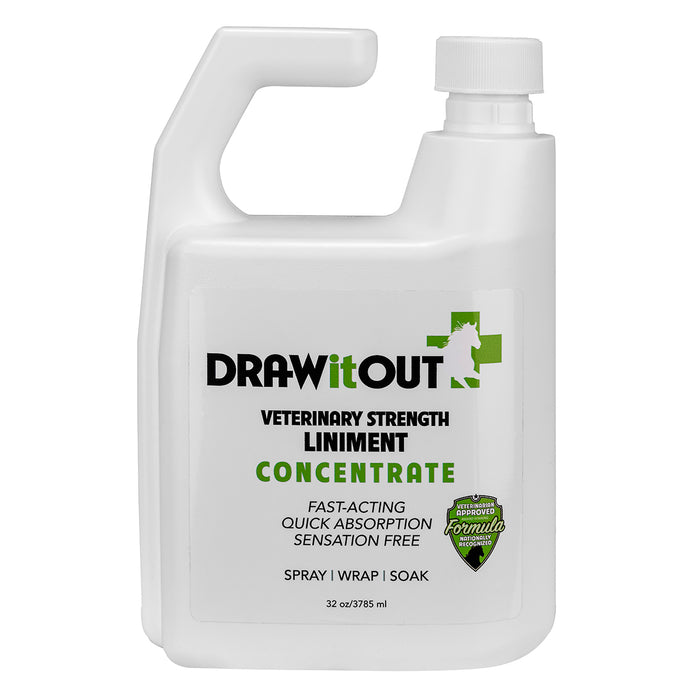
Mix Your Way
A flexible concentrate for riders who want to mix their own routine around workload and barn needs.
View product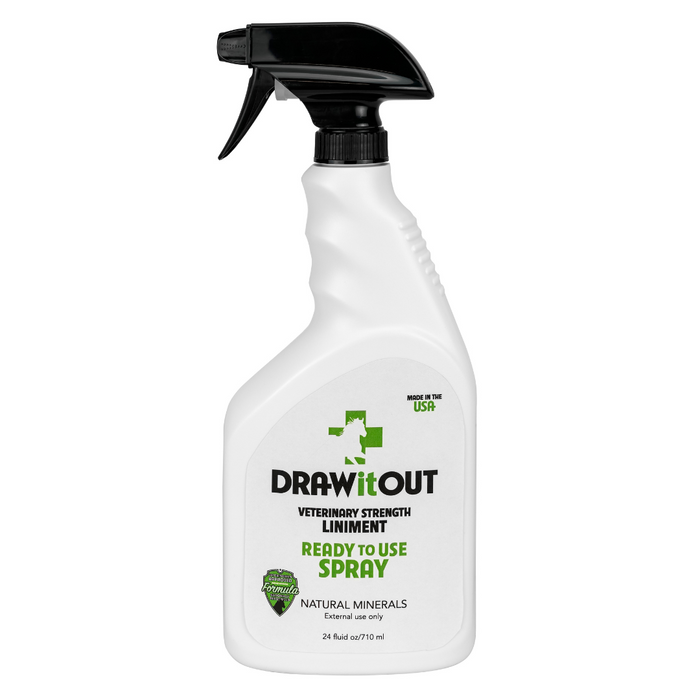
Ready To Use
A ready-to-use spray format for quick application after work, travel, turnout, or daily care.
View product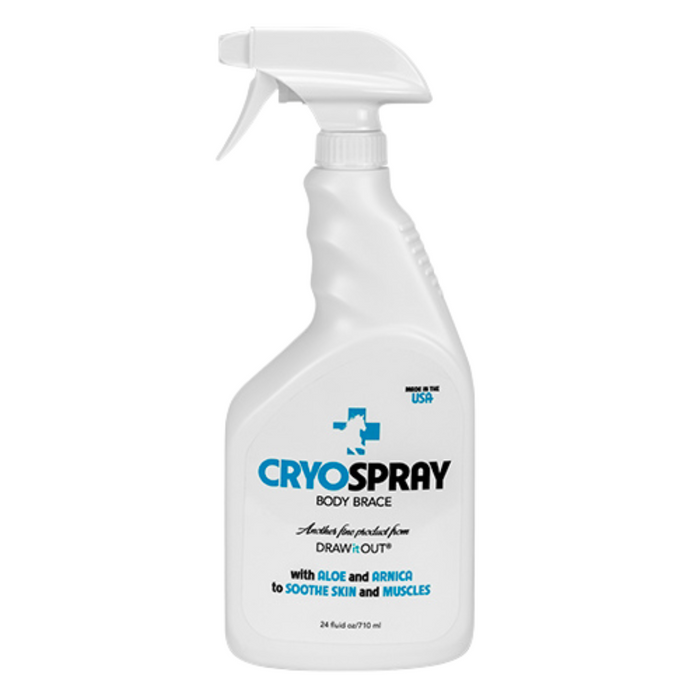
Cooling Brace
A cooling body brace spray for riders who want a fast, practical option after hard work or hot days.
View productFormat matters. Gel, concentrate, ready-to-use spray, and cooling spray each solve a different barn problem. Pick the one your routine will actually use.
!