

Daily recovery
Liniment Gels
Explore the Draw It Out® liniment gel lineup for everyday use, post-work routines, and targeted recovery support.
Shop liniment gels
Draw It Out® Horse Health Care
Not every front-end complaint starts in the leg. Sometimes the first honest answer is higher up.
Direct answer
Check the poll, base of neck, shoulders, chest, wither area, and first steps before assuming the issue is only in the lower leg. Compare left to right, watch turns, and use the Horse Health Library, Product Use Guides, or Solution Finder when the check points to a routine.
Horse people are trained to look down.
A horse feels sticky, short, heavy in the hand, unwilling to bend, slow to soften, or careful through the first few steps, and most of us go straight to the legs.
That is not wrong.
It is just incomplete.
The poll, neck, shoulder, chest, and wither area can carry plenty of the day. Bending work, trailer balance, tying, bracing, grooming, hard stops, tight turns, and even a long day standing around can show up before the horse ever looks officially lame.
If the front end feels different, check the whole front end: poll, neck, shoulder, chest, withers, legs, and movement.
Lower legs are easy to obsess over because they are obvious, important, and unforgiving. But horses do not move in isolated parts. A guarded neck can change the shoulder. A tight shoulder can change the stride. A horse bracing through the poll can change how the whole body feels in the hand.
That does not mean every tight neck is a crisis. It means the horse is giving you more information than one leg check can catch.
After the horse has been checked, cleaned, and cooled out, Draw It Out® 16oz Liniment Gel fits a practical daily-use routine for targeted neck, shoulder, back, hip, and leg care.

For larger areas, multi-horse barns, wash-rack workflows, hauling weeks, and regular training programs, Draw It Out® 32oz Liniment Concentrate gives riders a mix-to-use format for broader body-care routines.
Some tightness improves with time, turnout, a better warm-up, and a smarter care routine. Some does not. The horse decides which kind you are dealing with, not your schedule.
If the horse keeps resisting normal bend, guarding the neck, traveling unevenly, reacting sharply, or getting worse instead of better, stop turning it into a training debate.
Barn rule
A horse that feels heavy, crooked, tight, or late to soften may not be arguing. They may be protecting something. Put hands on the horse before you put more pressure in the bridle.
Call your veterinarian if your horse shows obvious lameness, severe pain, swelling, neurological signs, trauma, fever, sudden major behavior change, unwillingness to eat, or any problem that does not improve with appropriate rest and routine care. Product routines do not replace veterinary care.
The front end is more than four legs. Watch the walk. Feel the poll, neck, shoulder, and chest. Compare both sides. Then make tomorrow’s ride fit the horse standing in front of you.
For more routine-based help, visit the Horse Health Library, use the Draw It Out® Solution Finder, or review the Product Use Guides.
This article gives you the background. If you are ready to put the idea into a real horse care routine, these are the next places most riders should go.
Explore the Draw It Out® liniment gel lineup for everyday use, post-work routines, and targeted recovery support.
Shop liniment gelsMatch your horse’s workload, age, routine, and care goals to the Draw It Out® products that make the most sense.
Use the finderLearn how riders support soundness, comfort, and consistency before little issues become bigger problems.
Read the guideReal Barn Proof
Real riders. Real horses. Real routines. These clips rotate automatically so the proof stays fresh without weighing the page down with a long feed.
Why this matters: good horse care should make sense outside the ad. These clips show the kind of everyday use that builds trust one barn at a time.
Further Reading
Horse care works better when the next step is clear. These related reads help connect today’s topic to better daily decisions in the barn.

Jun 19, 2026
A practical horse health guide for checking neck tightness after trailer ties, including posture, poll, shoulders, movement, and when to call ...
Read article
Jun 18, 2026
A practical horse health guide for checking hoof heat after hard ground, including movement, shoes, pulse, and when to call the farrier or vet.
Read article
Jun 17, 2026
A practical horse health guide for checking soreness behind the girth, including rubs, fit, skin, swelling, and behavior while tacking.
Read articleStart with the principle, then build the habit. The right article should make the next barn decision easier, not more complicated.
Next Step
Simple care guides, practical product paths, and rider-trusted tools built for real horses and real routines.
Good care gets easier when the next step is obvious. Read the guide, match the routine, then choose the format that fits how your barn actually works.
Recovery Routine
Want a smarter way to think through post-ride care, heat, swelling, leg support, and daily recovery decisions? Start with the Performance Recovery Hub.
Better recovery starts with a repeatable routine. The hub gives riders a clearer path from workload to product format to aftercare timing.
Rider Favorites
Four core Draw It Out® staples riders keep close for daily recovery routines, wash rack use, targeted support, and quick barn-side care.
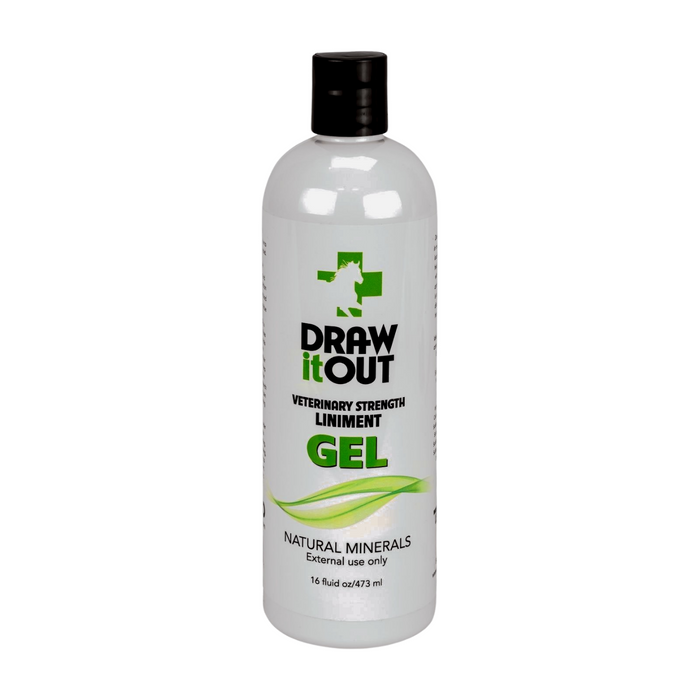
Stay-Put Gel
The everyday liniment gel format riders reach for when they want targeted, no-mess application.
View product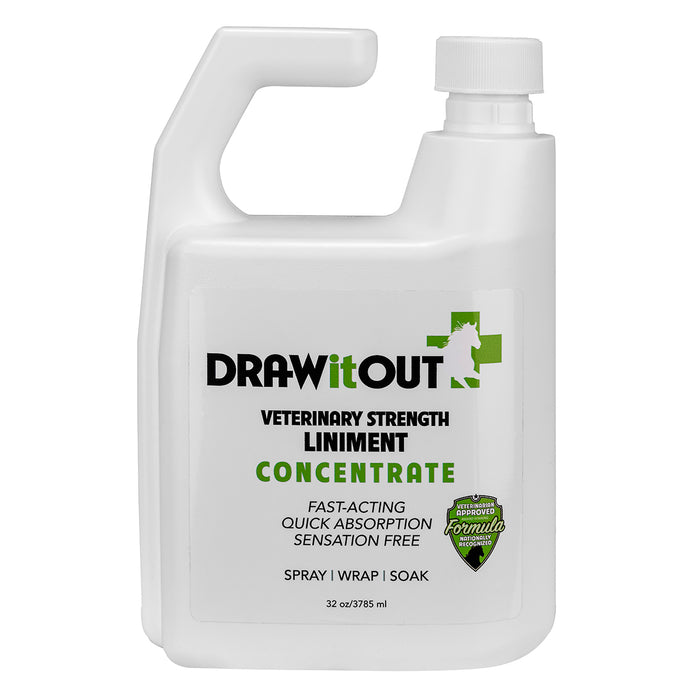
Mix Your Way
A flexible concentrate for riders who want to mix their own routine around workload and barn needs.
View product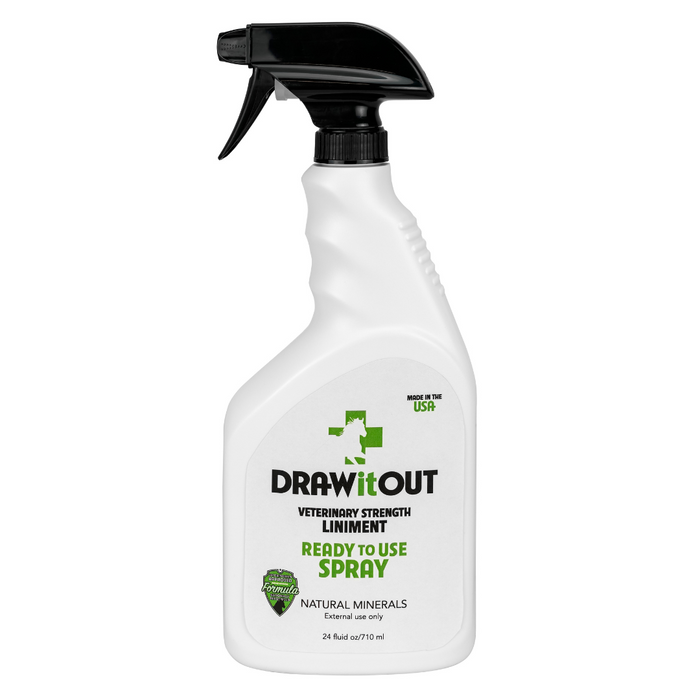
Ready To Use
A ready-to-use spray format for quick application after work, travel, turnout, or daily care.
View product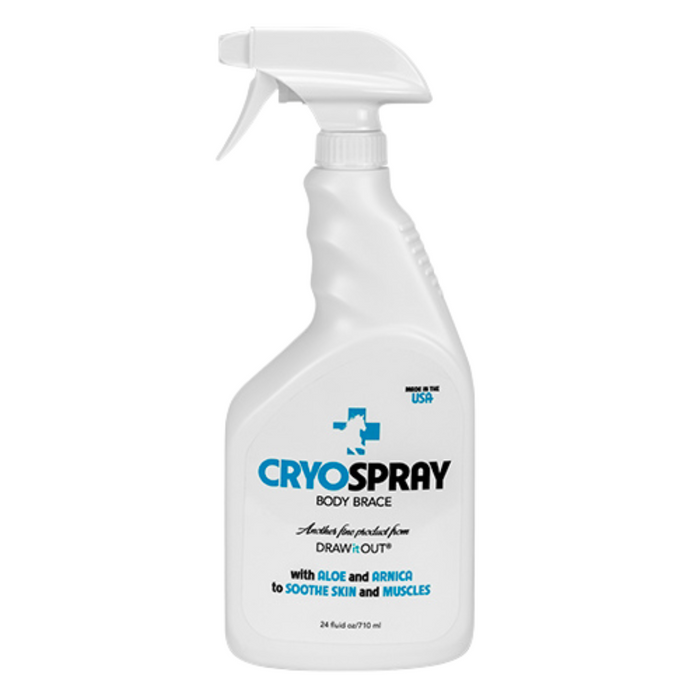
Cooling Brace
A cooling body brace spray for riders who want a fast, practical option after hard work or hot days.
View productFormat matters. Gel, concentrate, ready-to-use spray, and cooling spray each solve a different barn problem. Pick the one your routine will actually use.
!